Organization Logo
HomeMapLimited Gov. RatingsDist. Gradesionicons-v5-aLegislationionicons-v5-aCategoriesionicons-v5-aReportsionicons-v5-aAbout
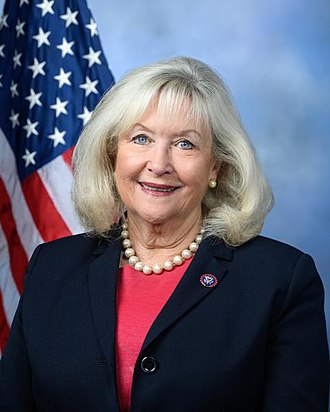
Rep. Connie Conway headshot

Connie Conway Voting Record & Scorecard | Institute for Legislative Analysis

US Representative from CA

District: 22Republican

2022 Alignment:

69.05%

District Performance
Cook PVI Rating: R+1 (Lean R)
District Estimate: 69%
District Performance: 0 (69.05%)
District Based Rating:
A-

Lifetime Ratings by Policy Category

Click Icon to Filter Table

Title

Lawmaker Position

Paving the Way for Irresponsible Spending Through the Second CR which Allows the Lame Duck Congress, Not the New Congress, to Set Government Funding.

The "Further Continuing Appropriations and Extensions Act, 2023" funds the federal government through December 23, 2022, as opposed to January 2023 when a new congress will be sworn in following the November election. Such an action will result in members of congress who lost their election, but are still sitting in office (a concept commonly known as "lame duck"), to set government funding for the next year, rather than the next congress.
Oppose is the Limited Government Position as allowing lame duck members of congress to set funding levels - especially with a holiday deadline - will likely result in greater irresponsible spending.
Budgets should be set by sitting members of congress, the individuals who are held accountable by the voters, not members who are on their way out of office.
Supports
Limited
Government

Reauthorizing the Peace Corps with a Significant Hike in Spending and New Benefits Provided to Participants.

The "Peace Corps Reauthorization Act of 2022" further increases funding for the Peace Corps while making several adjustments to the program, such as larger allowances and greater health benefits to program participants.
Oppose is the Limited Government Position as the Peace Corps serves as just one of many foreign aid programs of the United States and the country is not in the position to grow its foreign aid spending when congress is running a budget deficit of $1.
4 trillion. Significant spending cuts must take place across government in order to reverse our $30 trillion national debt, which, when coupled with the over $185 trillion in unfunded federal liabilities, represents the greatest existential threat facing this country.
Against
Limited
Government

Weakening Second Amendment Rights Through a Ban on the Sale and Possession of Semi-Automatic Firearms.

The "Assault Weapons Ban of 2022" makes it a crime to knowingly import, sell, manufacture, transfer or possess a semi-automatic firearm or large capacity ammunition feeding device.
Oppose is the Limited Government Position as James Madison and our nation's other founding fathers understood that the right to keep and bear arms is a crucial individual liberty and protects the citizenry against a tyrannical government.
Additionally, as congressionally mandated studies on the previous federal assault weapon ban concluded, the ban had no impact in curbing violent crime, as these bans do not deter criminals from continuing to engage in unlawful behavior.
Supports
Limited
Government

Requiring a Study to Further Grow the Department Of Veterans Affairs to Include "Doula Services" Despite Much Needed Reforms or Privatization of the Broken System.

The "Delivering Optimally Urgent Labor Access for Veterans Affairs (DOULA) Act of 2022" requires the Department of Veterans Affairs to study the feasibility and advisability of furnishing doula services to those enrolled in the VA healthcare system.
Oppose is the Limited Government Position as, rather than further growing the failing bureaucracy and services of the VA, lawmakers should work to streamline and shrink the department so that those who served our country can receive the highest possible quality of healthcare from the doctors of their choice within the private sector.
Against
Limited
Government

Preventing Private Businesses from Setting their Own Payment Method Policies by Mandating All Retail Establishments Accept Cash.

The Payne amendment #227 to the "Financial Services Racial Equity, Inclusion, and Economic Justice Act" mandates that all retail establishments accept cash for transactions under $2,000.
Oppose is the Limited Government Position as this measure infringes private contracting rights while also placing a significant regulatory barrier on "automated marketplaces" and businesses in high-crime areas.
While there are legitimate concerns for government attempting to eliminate cash and create its own digital and trackable currency, such issues should be addressed in targeted legislation as opposed to this overreaching mandate that harms businesses.
Supports
Limited
Government

Removing Costly Data Collection Mandates Imposed on Small Business Lenders Under the Dodd-Frank Act.

The "en bloc No. 2" amendment to the "Financial Services Racial Equity, Inclusion, and Economic Justice Act" strikes section 1071 of the Dodd-Frank Act, which requires the Consumer Financial Protection Bureau to issue a rule requiring banks and credit unions to collect and report demographic data on small business loan applications.
Support is the Limited Government Position as this mandate unnecessarily drives up loan costs for lenders and small businesses, and largely serves as a political measure to help justify additional regulations and further growth of government involvement in the financial sector.
Supports
Limited
Government

Bypassing the New Congress by Ramming Through $1.7 Trillion in Spending in the Final Days of the Lame Duck Session.

The "Consolidated Appropriations Act, 2023", which was passed on December 23, 2022 funds government through the rest of fiscal year 2023. The package is over 4,000 pages long and includes numerous earmarks, ultimately amounting to $1.7 trillion in spending. Spending increases included 5.5% in domestic spending and 10% in defense spending.
Oppose is the Limited Government Position as this measure was voted upon only days before the new congress, which would likely have significantly cut spending within the bill due to Republicans taking control of the House.
The bill also contained nearly $50 billion in additional spending on Ukraine (without safeguards to prevent corruption), bringing the year's total to $113 billion - totaling more than half the size of Ukraine's entire pre-war economy.
Supports
Limited
Government

Expanding Bureaucracy within the Department of Health and Human Services for a South Asian Heart Health Awareness Campaign.

The "South Asian Heart Health Awareness and Research Act of 2022" requires the Department of Health and Human Services to create a new program supporting research and awareness surrounding heart diseases within the South Asian population and other communities that may be impacted.
Oppose is the Limited Government Position as the private sector is far better equipped to effectively advance medical innovation, not government officials who are attempting to centrally plan research efforts without a plan to track financial accountability or measure if taxpayer funded resources are used effectively.
Supports
Limited
Government

Expanding Cronyism and Corporate Welfare for Semiconductor Manufacturers Through Billions in Subsidies and Tax Credits Under the CHIPS and Science Act.

The "Chips and Science Act" provides $52.7 billion in subsidies to manufacturers of semiconductors plus an additional $24 billion in tax credits. The bill also provides over $200 billion in additional funding to the National Science Foundation and the Departments of Energy and Commerce for initiatives surrounding STEM, R&D, and workforce and economic development programs.
Oppose is the Limited Government Position as taxpayers should not be forced to subsidize government-favored private business entities.
The free market is far better equipped to engage in research and development, not government officials who are attempting to centrally plan research efforts without a plan to track financial accountability or measure if taxpayer funded resource are used effectively.
Supports
Limited
Government

Advancing Unsustainable Federal Land Management Through a Study to Add Florida's Kissimmee River to the Wild and Scenic Rivers Act.

The "Kissimmee River Wild and Scenic River Act" directs a study to add Florida's Kissimmee river to the Bureau of Land Management's Wild and Scenic River program, which currently manages over 2,700 miles of rivers.
Oppose is the Limited Government Position as this measure will shift costs from state taxpayers onto the residents of other states not benefited by the river while also further growing the federal government's management of land.
The federal government already owns a staggering 28% of all land in the country, which has led to wildfires and countless other issues due to the Department of the Interior's inability to properly oversee and maintain such a massive amount of property.
Against
Limited
Government

Placing Taxpayer Funds at Greater Risk by Permanently Raising the Disaster Loan Threshold that the SBA can Issue without Requiring Collateral (Unsecured) from $14k to $25k.

The Velazquez Amd. No. 3 to the "Wildfire Response and Drought Resiliency Act" permanently increases the unsecured credit threshold from $14,000 to $25,000 for disaster loans that the Small Business Administration may issue without requiring collateral.
Oppose is the Limited Government Position as this measure places an even greater amount of taxpayer funds at risk if loan recipients refuse to fulfil the terms of the loans.
Additionally, the federal government already provides significant amounts of disaster aid through countless other agencies, most notably FEMA, and businesses have a duty to take steps to protect themselves from unexpected events through the private sector (i.e., insurance).
Against
Limited
Government

Establishing a New Spending Program for "Drone Infrastructure Inspection Grants" Containing Multiple Costly and Protectionist Provisions.

The "Drone Infrastructure Inspection Grant Act" establishes a new spending program within the Department of Transportation that provides grants for drone purchases to state and local governments that follow certain protectionist "buy American" procurement mandates, if the purchase will result in lower carbon emissions.
Oppose is the Limited Government Position as it is not the role of the federal government to provide states with drones and the bill's multiple costly and protectionist provisions unnecessarily drive-up taxpayer costs.
Against
Limited
Government

Reducing Economic Growth Through $750 Billion in Wasteful Spending and Tax Hikes Under the "Inflation Reduction Act".

The "Inflation Reduction Act of 2022" serves as a slightly deflated version of the Biden Administrations "Build Back Better" social spending package. For example, the bill contains $369 billion in additional spending on climate and green energy policies and $64 billion in subsidies to prevent insurance premium spikes under the Affordable Care Act. Furthermore, the bill provides $80 billion to the IRS to hire 87,000 additional agents and imposes a 15% corporate alternative minimum tax.
Oppose is the Limited Government Position as the tax hikes imposed on corporations will weaken economic growth and investment by transferring an even greater amount of private sector resources to government.
Additionally, the country is not in a position to increase wasteful or unnecessary spending when congress is running a budget deficit of $1.4 trillion. Significant spending cuts must take place across government in order to reverse our $30 trillion national debt, which, when coupled with the over $185 trillion in unfunded federal liabilities, represents the greatest existential threat facing this country.
Supports
Limited
Government

Advancing an Ineffective and Wasteful Crime Victim Bill Rather Than Supporting Law Enforcement and Preventing Crime.

The "Violent Incident Clearance and Technological Investigative Methods" (VICTIM) Act of 2022" directs $100 million in new annual spending on grants for local entities to assist victims of crime. The funds are directed to be used for food and housing and other vaguely defined initiatives called "improving relationships with communities."
Oppose is the Limited Government Position as this bill is largely politicized, with many ineffective and wasteful provisions.
Instead, lawmakers should combat efforts that "defund the police" and allocate funding to proven initiatives that actually prevent crime from occurring in the first place.
Supports
Limited
Government

Paving the Way for Irresponsible Spending Through a CR which Allows the Lame Duck Congress, Not the New Congress, to Set Government Funding.

The "Continuing Appropriations and Ukraine Supplemental Appropriations Act, 2023" funds the federal government through December 16, 2022, as opposed to January 2023 when a new congress will be sworn in following the November election. Such an action will result in members of congress who lost their election, but are still sitting in office (a concept commonly known as "lame duck"), to set government funding for the next year, rather than the next congress . Additionally, the bill provides $12.3 billion in funding to Ukraine, which is on top of the $53 billion congress has already spent on the country.
Oppose is the Limited Government Position as allowing lame duck members of congress to set funding levels will likely result in much greater irresponsible spending than allowing the new congress to set spending levels, as they are still held accountable to voters.
Additionally, the bill's Ukraine spending includes $4.5 billion of funding directed towards helping the Ukraine government maintain operations, a specially troubling provision considering the lack of oversight and Ukraine's long history of corruption.
Supports
Limited
Government

Forcing Taxpayers to Bailout the Pension Plans of Delphi Retirees (Parts Manufacturer of General Motors During 2009 Bankruptcy).

The Susan Muffley Act of 2022 requires taxpayers to cover the costs of providing full pension benefits to the roughly 21,000 former employees of Delphi Corporation. These employees have been receiving only partial pension benefits following the bankruptcy of the company, which served as the parts manufacturer of General Motors, a company that also went bankrupt in 2009. The bill also requires that all the former employees receive 13 years of benefit backpay and interest at a rate of six percent.
Oppose is the Limited Government Position as despite the terrible precedent that was established during the government bailout of the banks and auto manufacturers in 2009, it is not the role of government to bailout privately owned companies and place the costs on the backs of taxpayers.
Additionally, this measure is especially unfair to the countless other workers and employees who have suffered similar financial setbacks over the years due to employer bankruptcies, albeit their circumstances did not receive the media attention garnered by Delphi.
Supports
Limited
Government

Advancing Unnecessary Spending and Regulatory Overreach in the Agricultural Industry Through Subsidies for Ethanol Fuel Expansion and a New "Special Investigator" for Competition.

The "Lower Food and Fuel Costs Act" includes $700 million in subsidies for agricultural producers and initiatives, including $200 million to upgrade infrastructure to blend both biodiesel and ethanol fuel at higher levels (ex. E15). Additionally, the bill establishes a new special investigator of competition within the U.S. Department of Agriculture (USDA) to regulate and bring civil action concerning competition and trade practices across the agricultural industry.
Oppose is the Limited Government Position as taxpayers should not be forced to subsidize the amenities of the agricultural industry (or any industry) and the promotion of higher ethanol-blended fuel, which causes significant damage to older cars and trucks.
Furthermore, the best mechanism to expand competition is through the free market, not through further the further expansion of government and regulations - which most often has the opposite intended result.
Supports
Limited
Government

Driving Up Taxpayer Procurement Costs by Preventing the Department of Defense from Contracting with any Private Company that has Engaged in "Anti-Union Activity".

The Jones amendment #247 to the "National Defense Authorization Act for Fiscal Year 2023" prohibits the Department of Defense (DOD) from contracting with any company that has engaged in anti-union activity within the last three years as broadly defined by the National Labor Relations Board.
Oppose is the Limited Government Position as this bill ultimately restricts competition within the contracting and procurement process, which unnecessarily drives up taxpayer costs.
Additionally, the amendment establishes a blanket prohibition restricting the DOD from considering the severity or the circumstances around the situation, thus prohibiting contracting for mere paperwork violations.
Supports
Limited
Government

Weakening National Security by Pausing the Continued Development and Upgrade of the U.S. Nuclear ICBM Program.

The Garamendi amendment #258 to the "National Defense Authorization Act for Fiscal Year 2023" suspends funding for the Sentinel program, including the W-87-1 nuclear warhead. Instead, the amendment instructs a life extension program for the Minuteman III intercontinental ballistic missiles (first developed in the late 1960's) through the year 2040.
Oppose is the Limited Government Position as protecting the nation from foreign adversaries and maintaining a strong military is one of - if not the most - essential roles of government.
Adapting the philosophy of "Peace Through Strength" ensures the United States has the most technologically advanced weapons in the world, which is a critical component of avoiding costly and deadly conflict.
Supports
Limited
Government

Weakening National Security by Reducing the Number of Nuclear ICB Missiles Held by the United States.

The Tlaib Amendment #259 to the "National Defense Authorization Act for Fiscal Year 2023" eliminates the statutory requirement that the U.S. hold a minimum of 400 nuclear Intercontinental Ballistic Missiles (ICBMs).
Oppose is the Limited Government Position as protecting the nation from foreign adversaries and maintaining a strong military is one of - if not the most - essential roles of government.
Adapting the philosophy of "Peace Through Strength" ensures the United States has the most technologically advanced weapons in the world, which is a critical component of avoiding costly and deadly conflict.
Supports
Limited
Government

Advancing Government Censorship by Requiring the Departments of Defense and Veterans Affairs to Report on "Misinformation" that is "Harmful to Good Order and Discipline".

The Sanchez amendment #261 to the "National Defense Authorization Act for Fiscal Year 2023" requires the Secretaries of Defense and Veterans Affairs to develop a report that identifies how their departments are working to mitigate the spread and impact of malign disinformation. The amendment defines "malign disinformation" as any disinformation that is harmful to good order and discipline or related to extremist activities or vaccination.
Oppose is the Limited Government Position as the amendment's vague definition of "disinformation" can be abused by certain employees within government to censor political opponents and infringe on free speech protected under the First Amendment.
Supports
Limited
Government

Growing Bureaucracy and Taxpayer Costs by Requiring the State Department to Post a "Climate Change Officer" at Embassies, Consulates, and on Diplomatic Missions.

The Keating amendment #273 to the "National Defense Authorization Act for Fiscal Year 2023" requires the State Department to establish and staff Climate Change Officer positions posted at U.S. embassies, consulates, or diplomatic missions to provide climate change mitigation expertise. Additionally, the Department must develop curriculum at the Foreign Service Institute to provide employees with specialized climate change training.
Oppose is the Limited Government Position as this amendment imposes significant additional costs onto taxpayers and further grows bureaucracy at the State Department.
This additional red tape, such as the new curriculum mandate, may restrict the ability of employees within the department from receiving other training in fields that are more applicable to their job.
Supports
Limited
Government

Growing Unsustainable Federal Land Holdings by Adding 1.6 Million Acres and 1,200 Miles of Rivers Under the Protecting America's Wilderness and Public Lands Act.

The DeGette amendment #285 to the "National Defense Authorization Act for Fiscal Year 2023" adds the text of the "Protecting America's Wilderness and Public Lands Act" to the NDAA. As a result, federal land holdings and management would increase by 1.6 million acres across Colorado, California, New Mexico, and Washington. An additional 1,200 miles of river would be added to the national wild and scenic rivers system.
Oppose is the Limited Government Position as this measure will block mineral extraction and energy development while further growing the federal government's management of land.
The federal government already owns a staggering 28% of all land in the country, which has led to wildfires and countless other issues due to the Department of the Interior's inability to properly oversee and maintain such a massive amount of property.
Supports
Limited
Government

Fueling Unnecessary Spending by Eliminating the $25,000 Cap Placed on the Artwork Purchases of U.S. Embassies Unless they Receive Congressional Approval.

The Connolly amendment #287 to the "National Defense Authorization Act for Fiscal Year 2023" ends the policy placed on U.S. embassies that prevents their artwork purchases from exceeding $25,000 unless it is approved by congress.
Oppose is the Limited Government Position as significant abuse of taxpayer funds has been occurring at small embassy offices across the world, such as expenditures of $400,000 on a sculpture of clouds in Montenegro, over $250,000 on a mural in Mexico City, and $350,000 on a mosaic in Rio.
The country is not in the position to continue funding non-essential programs when congress is running a budget deficit of $1.4 trillion. Significant spending cuts must take place across government to reverse our $30 trillion national debt, which, when coupled with the over $185 trillion in unfunded federal liabilities, represents the greatest existential threat facing this country.
Supports
Limited
Government

Requiring the Department of Veterans Affairs to Conduct a "Fertility Treatment Awareness Campaign" Despite Much Needed Reforms or Privatizing the Broken System.

The Meng Amendment #289 to the "National Defense Authorization Act for Fiscal Year 2023" requires the Department of Veterans Affairs to conduct an awareness campaign regarding the types of fertility treatments, procedures, and services available to veterans experiencing issues with fertility.
Oppose is the Limited Government Position as rather than further growing the failing bureaucracy and unnecessary initiatives of the VA, lawmakers should work to streamline and shrink the department so that those who served our country can receive the highest possible quality of healthcare from the doctors of their choice.
Supports
Limited
Government

Weakening National Security by Providing Amnesty to Individuals Residing in the Country Illegally - Including those with Violent Criminal Records - if They Have Previous Military Service.

The "Veteran Service Recognition Act of 2022" prohibits an individual residing in the country illegally from being deported if they previously served in the U.S. military. The prohibition applies despite an individual's criminal record (except if they committed certain aggravated felonies) and prevents the individual's family members from being deported.
Oppose is the Limited Government Position as despite the need to grow the U.
S. economy through reforms to the immigration system that increase the number of skilled individuals who may enter and work in our country, the promotion of open-border and non-merit-based immigration significantly drains taxpayer resources and creates serious national security problems.
Supports
Limited
Government

Advancing Unnecessary Spending Through a Package of 31 Amendments Largely Funding Lawmaker Pet Projects.

The "en bloc No. 2" amendment to a major appropriations bill consists of 31 separate amendments that provide funding for a wide range of specific projects advocated by lawmakers ranging from affordable housing initiatives to agricultural and crop research projects, to fusion energy advancement.
Oppose is the Limited Government Position as the majority of these amendments are unnecessary spending initiatives surrounding lawmaker pet projects and do not pertain to the core role or duties of government.
Against
Limited
Government

Protecting Taxpayers by Blocking Enforcement of the Davis-Bacon Act (Prevailing Wage) Which Unnecessarily Drives Up the Costs of Public Works Projects.

The "en bloc No. 4" amendment to a multi-agency appropriations package blocks the enforcement of the Davis-Bacon Act, which is a depression-era policy that forces government contractors to pay their employees above-market wages when working on public works projects.
Oppose is the Limited Government Position as the prevailing wage established under the Davis-Bacon Act needlessly drives-up taxpayer costs by imposing significant additional costs onto government contractors.
Supports
Limited
Government

Cutting 36 Wasteful and Unnecessary Spending Initiatives Within a Multi-Agency Appropriations Bill.

The "en bloc No. 5" amendment to a multi-agency appropriations bill is a package of 36 individual amendments, each of which cuts various spending initiatives across government. The issues contained in the amendments range from reducing subsidies for electric vehicles to cutting hundreds of millions of dollars for groups and contractors advancing environmental justice and diversity.
Support is the Limited Government Position as these initiatives are not among the core duties of government and the country is not in the position to continue funding non-essential programs when congress is running a budget deficit of $1.
4 trillion. Significant spending cuts must take place across government to reverse our $30 trillion national debt, which, when coupled with the over $185 trillion in unfunded federal liabilities, represents the greatest existential threat facing this country.
Supports
Limited
Government

Authorizing 30 Wasteful and Unnecessary Spending Initiatives Within a Multi-Agency Appropriations Bill.

The "en bloc No. 6" amendment to a multi-agency appropriations bill is a package of 30 individual amendments, each of which authorizes additional spending initiatives across government. The issues contained in the amendments range from advancing a U.S. central bank digital currency, to authorizing hundreds of millions of dollars for community development, to providing tens of millions of dollars for marketing EPA Energy Star Products and advancing offshore wind energy.
Oppose is the Limited Government Position as these initiatives are not among the core duties of government and the country is not in the position to continue to fund non-essential programs when congress is running a budget deficit of $1.
4 trillion. Significant spending cuts must take place across government to reverse our $30 trillion national debt, which, when coupled with the over $185 trillion in unfunded federal liabilities, represents the greatest existential threat facing this country.
Supports
Limited
Government

Blocking Much-Needed Reforms to the Department of Veterans Affairs by Defunding the VA Asset and Infrastructure Review (AIR) Commission.

The "en bloc No. 9" amendment to a multi-agency appropriations bill defunds the Department of Veterans Affairs Asset and Infrastructure Review (AIR) commission and transfers the $5 million in funding to the Healthcare for Homeless Veterans Program. The AIR commission is tasked with reviewing the 7,500 buildings operated by the VA and identify how the buildings are being utilized, whether facilities need updating, the funding necessary to upgrade facilities, and how efficiently health care is being delivered to our veterans.
Oppose is the Limited Government Position as this commission plays a critical role in reviewing the failing bureaucracy and mis-utilized assets of the VA.
Lawmakers should implement the AIR recommendations to streamline and improve the VA so that those who served our country can receive the highest possible quality of healthcare.
Against
Limited
Government

Weakening Integrity of the Census Through an Attempt to Prohibit Questions on Citizenship.

The "Ensuring a Fair and Accurate Census Act" provides greater decision-making authority to the Census Bureau director and limits the number of political appointees at the bureau. The bill is largely in response to the Trump Administration's attempt to add a citizenship question to the 2020 census.
Oppose is the Limited Government Position as this measure provides greater power to unelected government employees who are not held accountable to voters by taking away the oversight provided by the executive branch of government.
Additionally, citizenship is a legitimate line of inquiry on the census, especially since the census determines state representation in the House of Representatives and impacts a litany of other government operations.
Supports
Limited
Government

Advancing Frivolous Litigation and Mandates on Employers by Establishing a "Right to Contraception."

The "Right to Contraception Act" establishes within federal law a new right to use and obtain contraceptives. The bill is also expected to nullify conscience protections for healthcare providers and employers who object on moral grounds to providing contraception or sterilization services.
Oppose is the Limited Government Position as using and purchasing contraceptives should be a choice of the individual, not something a religious employer should be forced to fund and provide, as this is a clear violation of the freedom of religion protection under the First Amendment.
Supports
Limited
Government

Placing Enormous New Financial Liabilities on the U.S. Through a Politicized Effort to Advance Puerto Rico Statehood.

The "Puerto Rico Status Act" requires a plebiscite (binding vote on Congress) to be held on November 5, 2023, which would offer Puerto Rico voters a choice of independence, sovereignty in free association with the United States, or statehood.
Oppose is the Limited Government Position as not only does this measure serve as a political tool to grow power of select parties in the U.
S. but it also burdens taxpayers with enormous new financial liabilities as more than 40 percent of the population lives in poverty and the territory continues to struggle with debt.
Supports
Limited
Government

Reauthorizing and Further Hiking Spending to $3.9 Billion Annually for Foreign Aid Surrounding Global Food Insecurity.

The "Global Food Security Reauthorization Act of 2022" further grows spending by an additional $100 million for various programs at the Department of State and the U.S. Agency for International Development (USAID) pertaining to global food security, resulting in annual spending of $3.9 billion. This spending program is another of many other initiatives already funded by the U.S. pertaining to food and agricultural development overseas.
Oppose is the Limited Government Position as other countries in the United Nations have failed to contribute their fair share of global support and the United States is not in the position to grow its foreign aid spending when congress is running a budget deficit of $1.
4 trillion. Significant spending cuts must take place across government in order to reverse our $30 trillion national debt, which, when coupled with the over $185 trillion in unfunded federal liabilities, represents the greatest existential threat facing this country.
Against
Limited
Government

Providing Foreign Aid to Additional Countries with Higher Levels of Wealth Through the Federal Millennium Challenge Corporation.

The "Millennium Challenge Corporation Eligibility Expansion Act" authorizes the Millennium Challenge Corporation (a bilateral U.S. foreign aid agency) to provide aid to a greater range of countries. Previously, the corporation could only provide aid to countries with per capita incomes that were amongst the lowest 75 lowest in the world. This bill now authorizes aid to any country that is within the lowest 125 in the world.
Oppose is the Limited Government Position as the United States is not in the position to expand its foreign aid initiatives to an even greater range of countries with higher levels of wealth when congress is running a budget deficit of $1.
4 trillion. Significant spending cuts must take place across government in order to reverse our $30 trillion national debt, which, when coupled with the over $185 trillion in unfunded federal liabilities, represents the greatest existential threat facing this country.
Against
Limited
Government

Creating Unnecessary Bureaucracy within the Department of Transportation to Establish a Duplicative Aviation Industry Pandemic Plan Already Covered by the CDC.

The "National Aviation Preparedness Plan Act of 2022" requires the Department of Transportation to develop a national aviation preparedness plan that includes the identification of appropriate personal protective equipment to reduce exposure to a communicable disease and consultations with airline and labor groups.
Oppose is the Limited Government Position as the primary mission of the Center for Disease Control and Prevention is to constantly monitor and adjust strategy to best protect the public from pandemics - it is an organization better equipped to carry out these duties than the Department of Transportation.
Against
Limited
Government

Increasing Government Dependency by Further Expanding a Federal Program Funding Maternal and Child Home Visiting.

The "Jackie Walorski Maternal and Child Home Visiting Reauthorization Act of 2022" reauthorizes and further expands a program that funds home visits in select local communities for expectant and new parents. The congressional budget office estimates this program will cost federal taxpayers over $3 billion.
Oppose is the Limited Government Position as such an initiative should not be the role of the federal government, but rather local community and non-profit groups that can judge the effectiveness of such initiatives and maximize their impact.
Against
Limited
Government

Establishing Unreasonable Presumptions Pertaining to Health of Veterans Which May Advance Fraudulent Disability Claims and Further Overload the VA.

The "Honoring our Promise to Address Comprehensive Toxics (PACT) Act of 2022,", commonly referred to as the "burn pit bill", establishes a presumption that nearly any American service member stationed in a combat zone over the last 32 years could have been exposed to a toxic substance, resulting in additional health and disability benefits for an estimated 3.5 million veterans. The Congressional Budget Office estimates the cost of this bill could exceed $700 billion.
Oppose is the Limited Government Position as, while all veterans who sustained injuries due to their service should receive the highest levels of treatment and care, this bill creates countless avenues for devious plaintiffs\' attorneys to advance fraudulent health and disability claims and will likely further overload the VA, thus preventing veterans with service-sustained injuries from receiving the prompt care they deserve.
Supports
Limited
Government

Expediting U.S. Semiconductor Production by Reducing Unnecessary Government Environmental and Permitting Barriers for New Facility Construction.

This bill expands the expedited environmental review and permitting process under Title 41 of the Fixing America's Surface Transportation (FAST) Act to speed up the government approval process for constructing new semiconductor facilities and other computer hardware and software facilities. It is estimated that this bill will reduce the time frame of the regulatory approval process, which currently can take up to five years, to about 18 months.
Support is the Limited Government Position as lawmakers should advances measures to remove government barriers that prevent the free market from solving the semiconductor shortage, instead of doling out subsidies and corporate welfare.
Supports
Limited
Government

Creating an Economic Moral Hazard in Government Spending Priorities Involving Community Disaster Resilience Zones and Initiatives.

The "Community Disaster Resilience Zones Act of 2022" makes certain programs under the Federal Emergency Management Agency (FEMA), such as the National Risk Index, permanent and adds components, such as "social vulnerability", into program calculations. Additionally, the bill hikes the amount of money the federal government contributes to local community disaster resilience initiatives from 75% to 90%, with state and local governments now only required to cover 10% of the costs.
Oppose is the Limited Government Position as the incorporation of social vulnerability and other politized components weakens FEMA's ability to direct taxpayer funds to the most essential resilience efforts.
Furthermore, requiring states and localities to contribute a mere 10% of the proposed initiatives cost results in an economic moral hazard, which disincentivizes local governments from selecting projects that are absolutely necessary and is a poor use of taxpayer funds.
Against
Limited
Government

Increasing Government Spending to Establish a New Native American Language Resource Center.

The "Native American Language Resource Center Act of 2022" directs the Department of Education to annually appropriate $3 million to establish a university-based center to "serve as a resource to improve the capacity to teach and learn Native American languages and further Native American language use and acquisition".
Oppose is the Limited Government Position as the private sector is best equipped to determine investment levels and which initiatives would be the most impactful for such a center to engage in rather than university employees who are not financially held accountable for the center's failure or success.
Against
Limited
Government

Expanding Government Bureaucracy and Hiking Costs by Requiring Surveys Conducted by Federal Agencies Include Questions on Sexual Orientation and Gender Identity.

The "LGBTQI+ Data Inclusion Act" requires the over 100 federal agencies that conduct surveys collecting demographic data, expand their methods to incorporate information on sexual orientation, gender identity, and other "variations in sex characteristics" into their published reports.
Oppose is the Limited Government Position as not only does this measure further increase government bureaucracy and taxpayer costs, but may place some survey respondents in uncomfortable positions due to the sensitive nature of the questions.
While all members of the LGBTQ community should be treated equally and protected from any form of discrimination by government, this measure is largely intended to be used to justify new federal programs and further expand the role of government.
Neutral

Directing $1.7 Billion in Additional Spending at the Department of Health and Human Services for the Creation of the Advanced Research Projects Agency-Health Act.

The "Advanced Research Projects Agency-Health (ARPA-H) Act" would result in $1.7 billion in additional spending at the Department of Health and Human Services to create a new agency tasked with increasing biomedical innovation and improving disease treatment.
Oppose is the Limited Government Position as the private sector is far better equipped to effectively advance medical innovation, not government officials who are attempting to centrally plan research efforts without a plan to track financial accountability or measure if taxpayer funded resource are used effectively.
Instead, lawmakers should work to eliminate all unnecessary regulatory barriers at the FDA so a drug isn't stuck in regulatory limbo for decades at a cost of billions of dollars.
Neutral

Establishing a Politicized "Active Shooter Alert System" Under the Department of Justice with No Oversight to Ensure Proper Application.

The "Active Shooter Alert Act of 2022" establishes a communication network, which proponents tout is similar to an amber alert, that will notify individuals of an active shooter. This new network will be overseen by a new division within the Department of Justice.
Oppose is the Limited Government Position as such an initiative, if carried out, should be developed and strictly overseen by local officials accountable to the people.
In recent years, the Department of Justice has been significantly criticized for carrying out its work in a politicized fashion and this system could be heavily abused to promote any potential shooting event or incident involving a firearm, thus serving as an activist tool for gun control.
Neutral

Growing Government Spending and Debt Through an Expansion of Student Loan Forgiveness via the Joint Consolidation Loan Separation Act.

The "Joint Consolidation Loan Separation Act" allows two borrowers who received a joint consolidation loan (offered at one point federally and at a lower interest rate) to apply to have their loan severed into two separate loans. The bill is primarily designed to expand who is eligible for loan forgiveness initiatives of the Biden administration.
Oppose is the Limited Government Position as individuals with joint consolidation loans already enjoyed lower interest rates than other borrowers and this bill shifts their costs onto other individuals and taxpayers, an especially unfair situation for individuals who paid-off their loans or chose not to pursue higher education.
Neutral

Reauthorizing the "National Heritage Area" System and Hundreds of Millions in Unnecessary Spending for Initiatives that Should Be Privately Funded.

The "National Heritage Area Act" reauthorizes programs and funding for roughly 50 "national heritage areas." One entity funded by the act is located in the bill sponsor's state, the MotorCities National Heritage Area Partnership in Southeast Michigan, which is a non-profit that has a mission to preserve and promote the region's automotive and labor heritage.
Oppose is the Limited Government Position as the free market and private sector is best equipped to fund and determine the activities and initiatives that most effectively promote national heritage, not politicians and government employees who are not subject to "profit and loss" signals like the private sector.
Neutral

Extending "Temporary" Spending Hikes and Eligibility Waivers to the Federal School Lunch Program Implemented Under COVID-19 to 2024.

The "Keep Kids Fed Act" of 2022 extends certain eligibility waivers and the elevated reimbursement rates provided to schools and afterschool program providers for breakfasts, lunches and snacks under the Department of Agriculture's Child and Adult Care Food Program through 2024. These waivers and higher reimbursement rates were "temporary" measures implemented at the onset of the COVID-19 pandemic.
Oppose is the Limited Government Position as the country is no longer experiencing the same restrictions and challenges faced during the pandemic and the extension of this additional funding was done without other desperately needed reforms, such as restricting the free meals provided under such programs to only children from low-income families instead of to all students.
Neutral

Authorizing Billions in New Spending on an Ineffective Gun Safety Package that Includes the Seizure of Firearms without Due Process.

The "Bipartisan Safer Communities Act" is touted by its supporters as the largest gun safety package since the 1994 assault weapons band. The bill establishes enhanced background checks for individuals under 21 years of age, closes the "boyfriend loophole", and channels billions of dollars into community programs and mental health services. Furthermore, the bill provides $750 million to states for "red flag" programs whereby any individual may seek to have a firearm immediately taken away from another person through an "ex-parte" (one-sided) petition to a court if the individual alleges the person is a danger to themselves or others.
Oppose is the Limited Government Position as the one-sided petition violates due process under the law (an individual can't provide their defense) and this program lacks provisions that prevent nefarious individuals from abusing the system to harass or harm law-abiding individuals, thus unduly infringing their Second Amendment protections and leaving them defenseless.
Neutral
Logo

Let's build a platform together!

Quick Links

Resources

  • Data Sources
  • Report Correction

Contact

© 2023 - 2026 Institute for Legislative Analysis. All Rights Reserved.
Open Options