Organization Logo
HomeMapLimited Gov. RatingsDist. Gradesionicons-v5-aLegislationionicons-v5-aCategoriesionicons-v5-aReportsionicons-v5-aAbout
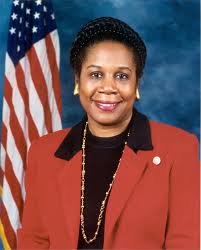
Rep. Sheila Jackson Lee headshot

Sheila Jackson Lee Voting Record & Scorecard | Institute for Legislative Analysis

US Representative from TX

District: 18Democrat

2024 Alignment:

N/A

Lifetime Alignment:

6.42%

District Performance
Cook PVI Rating: D+21 (Solid D)
District Estimate: 4%
District Performance: N/A (N/A)
District Based Rating:

Lifetime Ratings by Policy Category

Click Icon to Filter Table

Title

Lawmaker Position

Expressing Opposition to a Carbon Tax and its Detriment on Families and Businesses.

This resolution sponsored by Rep. Ryan Zinke (R-MT) expresses the sense of Congress that a carbon tax is not in the best interest of the country and would be detrimental to families and businesses. The resolution highlighted that the share of energy consumption during 2023 in the United States that was derived from fossil fuels was approximately 80 percent and a carbon tax will increase the cost of every good manufactured in the United States.
Support is the Limited Government Position as a carbon tax would not only unnecessarily hike the cost of consumer goods, but place the U.
S. at a significant competitive economic disadvantage on the national stage, all while having a miniscule impact on reducing global emissions.
Against
Limited
Government

Repealing the Greenhouse Gas Reduction Fund and other Politicized Environmental Program Harming Economic Growth Through the "Cutting Green Corruption and Taxes Act".

The "Cutting Green Corruption and Taxes Act" sponsored by Rep. Gary Palmer (R-AL) would rollback climate and environmental justice programs established in the Inflation Reduction Act (IFA) including the repeal of the "Greenhouse Gas Reduction Fund". The bill also eliminates an Environmental Protection Agency (EPA) program which provides incentives for petroleum and natural gas systems to reduce their emissions of methane and other greenhouse gases, as well as a charge placed on certain facilities for their methane emissions.
Support is the Limited Government Position as this bill guts multiple politicized environmental programs which inflict serious damage to the U.
S. economy and unnecessarily hike consumer costs. The country must adopt an "all of the above" approach to energy production that balances environmental concerns with the need to provide Americans with the lowest possible energy costs.
Against
Limited
Government

Preventing Any President from Banning Hydraulic Fracking Through the "Protecting American Energy Production Act".

The "Protecting American Energy Production Act" sponsored by Rep. Jeff Duncan (R-SC) would prevent any president from banning hydraulic fracturing or "fracking" and expresses that the states themselves should regulate fracking for oil and natural gas production on state and private lands. Hydraulic fracking is a process to extract oil or gas from a geologic formation by injecting water, a propping agent (e.g., sand), and chemical additives into a well under enough pressure to fracture the formation.
Support is the Limited Government Position as hydraulic fracking helps to significantly boost oil and gas extraction - low-cost energy which is essential to growing the economy and improving the quality of life for all Americans.
With renewable energy only accounting for about 20 percent of the U.S. energy supply, the country must adopt an "all of the above" approach to energy production that balances environmental concerns with the need to provide Americans with the lowest possible energy costs.
Against
Limited
Government

Fueling Wasteful Spending and Enriching Woke Companies Through the "Eliminating Barriers to Rural Internet Development Grant Eligibility (E-Bridge) Act".

The "Eliminating Barriers to Rural Internet Development Grant Eligibility (E-Bridge) Act" sponsored by Rep. Sam Graves (R-MO) would increase federal spending on broadband projects, particularly last-mile projects, which connect to homes and other buildings in "distressed communities". Specifically, the bill would make it easier to receive broadband grants from the Economic Development Administration (EDA) by allowing grant recipients to use in-kind donations, such as real property, to meet the cost sharing requirements.
Oppose is the Limited Government Position as the costs to provide broadband to select individuals should not be socialized onto federal taxpayers.
Additionally, broadband infrastructure is no longer necessary due to new technologies such as Elon Musk's Starlink internet. Federal and state broadband subsidy schemes merely distort the free-market by providing competitive advantages, and enrich woke companies such as Comcast.
Against
Limited
Government

Growing the National Oceanic and Atmospheric Administration (NOAA) to Award Grants to Government-Favored Non-Profits Under the "Sea Turtle Rescue Assistance and Rehabilitation Act".

The "Sea Turtle Rescue Assistance and Rehabilitation Act of 2023" sponsored by Rep. Bill Keating (D- MA) would grow the size and scope of the National Oceanic and Atmospheric Administration (NOAA) through the creation of a new "Sea Turtle Rescue Assistance and Rehabilitation Grant Program". In 2023, NOAA allocated about $1 million for sea turtle stranding response and rehabilitation activities. Under this bill, NOAA would hire additional employees and spend an estimated $33 million to provide grants to various non-profits which assist sea turtles.
Oppose is the Limited Government Position as while rehabilitating sea turtles is a worthy initiative, it is a duty of state and non-profit entities - not the federal government.
Taxpayers cannot afford to further grow the federal bureaucracy to support every animal group or the mission of every non-profit entity. The private sector is best equipped to fund these types of initiatives, which ensures waste is minimized and resources directed to the most needed initiatives.
Against
Limited
Government

Growing the State Department and Unnecessary Foreign Intervention by Facilitating Discussion of Human Rights in China through the "Uyghur Policy Act of 2023".

The "Uyghur Policy Act of 2023" sponsored by Rep. Young Kim (R-CA) would create a "Special Coordinator for Uyghur Issues" position within the Department of State which advocates for the human rights of minority groups residing primarily in the Xinjiang Uyghur Autonomous Region (XUAR) in China. The bill is estimated to cost $6 million over the next five years to implement and makes federal funds available to human rights advocates and to "facilitate the presence of such human rights advocates at public diplomacy forums".
Oppose is the Limited Government Position as while the human rights abuses in China (and within countless other nations) is a travesty, the U.
S. government and its taxpayers cannot afford to intervene and solve all of the world's problems. Additionally, the effectiveness of this government initiative is unknown, and a host of organizations already exist within the non-profit sector to address such issues. Lawmakers must prioritize the needs of Americans - not China - and rein in the out-of-control spending and $35 trillion in national debt, which, when coupled with the $200 trillion in federal liabilities, represents the greatest existential threat facing this country.
Against
Limited
Government

Reducing Unnecessary Business Costs Through the Default "E-Delivery" of Investor Notices Rather than Traditional Mail by Amending the "Expanding Access to Capital Act".

The Rep. Bill Huizenga (R-MI) amendment #2 to the "Expanding Access to Capital Act of 2023" would direct the SEC to create rules allowing electronic delivery to become the default communication method for investment companies with their investors. According to the sponsor, "the amendment aims to modernize the policy, with investors opting in to paper disclosures instead of opting out while ensuring that paper will always be an option."
Support is the Limited Government Position as this regulatory reform helps reduce waste and unnecessary costs for businesses and investment companies.
Against
Limited
Government

Reducing a Regulatory Barrier to Expanding Investment Opportunities for Small Businesses by Amending the "Expanding Access to Capital Act".

The Rep. Mike Lawler (R-NY) amendment #1 to the "Expanding Access to Capital Act of 2023" would insert language from the "Helping Angels Lead Our Startups (HALOS) Act" into the underlying bill which would eliminate a regulatory barrier and make it easier for startup businesses to attract investors. Specifically, the bill clarifies the definition of "general solicitation" and "angel investor" under federal securities law so startups can discuss their products and business plans at "demo days" or other events in which no specific investment solicitation is made. Current rules effectively bar this type of communication between startups and angel investors. According to the sponsor, this measure will allow businesses "to engage with a wider audience of investors and spread word of the products and services that they can offer to help develop a thriving and diverse economy".
Support is the Limited Government Position as this measure reduces unnecessary regulatory barriers to help small businesses gain investment and grow the U.
S. economy.
Against
Limited
Government

Expanding Investment Opportunities by Reforming Regulations on "403(b) Retirement Plans" by Amending the "Expanding Access to Capital Act".

The Rep. Frank Lucas (R-OK) amendment #3 to the "Expanding Access to Capital Act of 2023" would revise federal securities laws to allow 403(b) retirement plans (offered by public schools and certain non-profits) to invest in collective investment trusts (CITs) and insurance contracts, just like can be done with other retirement plans like 401(k)s. According to the sponsor, the reform is needed considering over the past decade "401(k) plan assets increased by 88 percent, government 457(b) plans increased by 82 percent, but total assets in 403(b) plans only increased by 46 percent".
Support is the Limited Government Position as this measure reduces overreaching regulatory barriers imposed by government, thus providing greater investment opportunities.
Against
Limited
Government

Weaking Individual Liberties Through Government-Imposed Limits on Investment Risk by Amending the "Expanding Access to Capital Act".

The Rep. Brad Sherman (D-CA) amendment #5 to the "Expanding Access to Capital Act of 2023" would weaken the underlying bill's regulatory relief and the provision redefining the definition of "qualified investor" which allows more individuals to invest in private markets. Under this amendment, an individual could now only invest 5 percent of their net worth on any one private offering, and no more than 25 percent of their net worth (excluding their primary residence) on all such private offerings. According to the sponsor, the amendment "gives us a better definition of those who can afford the risks and the risk of liquidity that comes with these private investments".
Oppose is the Limited Government Position as individuals - not politicians - should have the right to set their own risk tolerances and determine how to invest their earnings.
This amendment weakens individual liberties and the ability of everyday Americans to grow their wealth through investment.
Against
Limited
Government

Expanding Investment Opportunities Through a Reduction in Financial Regulations on "Closed-End Funds" by Amending the "Expanding Access to Capital Act".

The Rep. Ann Wagner (R-MO) amendment #4 to the "Expanding Access to Capital Act of 2023" would insert language from the "Increasing Investor Opportunities Act" into the underlying bill which expands investment by removing certain financial regulations. Specifically, this measure creates a more competitive investment environment by allowing publicly offered closed-end funds (CEFs) to invest up to 100% of their assets in private securities. According to the sponsor, "SEC bureaucrats have taken another step toward reserving safe access to investment opportunities for wealthy, accredited investors" and this measure would "increase investment opportunities for millions of Americans and eliminate unnecessary barriers restricting investor access".
Support is the Limited Government Position as this measure reduces overreaching regulations, strengthens individual liberties and boosts capital formation for startup businesses.
Against
Limited
Government

Maintaining Fiscal Irresponsibility through the "Further Additional Continuing Appropriations and Other Extensions Act, 2024" that Fails to Include a Critical Border Security Provision.

The "Further Additional Continuing Appropriations and Other Extensions Act, 2024" would avoid a shutdown by extending government funding through either March 1 or March 8, 2024 depending upon agency. Notably, the bill does not contain border security provisions advocated by conservatives.
Oppose is the Limited Government Position as this bill maintains fiscal irresponsibility by kicking the can down the road, while also failing to include the critical border security provision.
Lawmakers must rein in the out-of-control spending and $35 trillion in national debt, which, when coupled with the $200 trillion in federal liabilities, represents the greatest existential threat facing this country.
Against
Limited
Government

Encouraging the European Union to Designate the Islamic Revolutionary Guard Corps as a Terrorist Organization and Impose Sanctions.

This resolution sponsored by Rep. Claudia Tenney (R-NY) urges the European Union (EU) to expeditiously designate the Islamic Revolutionary Guard Corps (IRGC) as a terrorist organization under the EU Common Position 931 on terrorism (a sanction regime). It also encourages the Biden Administration to make the EU designation of the IRGC as a terrorist organization a diplomatic priority in engagements with the EU. According to the sponsor, "the world must signal to the Islamic Republic of Iran that they will face severe consequences for their widespread acts of terrorism".
Support is the Limited Government Position as this resolution helps strengthen national security by encouraging the EU to follow President Trump's lead in 2019 and designate the IRGC as a foreign terrorist organization to help weaken the power of Iran, a country known to harbor terrorists.
Supports
Limited
Government

Reauthorizing the Udall Foundation an Unnecessary Politicized Entity Advancing DEI and Climate Change Agendas.

The "Udall Foundation Reauthorization Act of 2023" sponsored by Rep. Juan Ciscomani (R-AZ) would reauthorize through FY 2028 the Morris K. Udall and Stewart L. Udall Foundation, which is an independent executive branch agency. The Foundation engages in public policy pertaining to environmental policy and climate change, as well as funds scholarships for individuals who identify as Native American. The Foundation lists diversity, equity and inclusion (DEI) as one of its strategic objectives in its strategic plan.
Oppose is the Limited Government Position as it is the role of the private sector - not government - to operate and fund such a Foundation, especially a politicized entity which engages on issues such as climate change and DEI.
There are hundreds of thousands of other non-profit entities with just as deserving of missions yet are rightfully forced to operate and obtain their funding from the private sector.
Against
Limited
Government

Making the Sanctions on Iran's Ability to Obtain a Nuclear Weapon Permanent by Eliminating the Sunset Clause in the "Iran Sanctions Act of 1996".

The "Solidify Iran Sanctions Act of 2023" sponsored by Rep. Michelle Steel (R-CA) would eliminate a sunset clause in the Iran Sanctions Act of 1996, thereby making permanent the requirement for the President to impose sanctions on certain individuals or entities engaged in specified transactions related to Iran's energy sector or Iran's efforts to acquire or develop certain weapons (such as chemical, biological, or nuclear weapons). According to the sponsor, "through this bipartisan, bicameral legislation, we can prevent Iran from possessing nuclear weapons and further jeopardizing global peace".
Support is the Limited Government Position as this bill strengthens national security by helping prevent Iran - a known harborer of terrorists - from obtaining the ability to deploy a nuclear weapon or other weapons of mass destruction.
Supports
Limited
Government

Restoring Mineral Extraction in Minnesota which was Banned by a Biden Administration Action Through the "Superior National Forest Restoration Act".

The "Superior National Forest Restoration Act" sponsored by Rep. Pete Stauber (R-MN) would rescind "Public Land Order No. 7917 for Withdrawal of Federal Lands; Cook, Lake, and Saint Louis Counties, MN", which bars mining operations on over 225,000 acres of land within Minnesota's Superior National Forrest. Under the bill, the withdrawal would be overturned and the two decades-old mineral leases in Twin Metals Minnesota, which the Biden administration cancelled in 2022, would be restored.
Support is the Limited Government Position as this bill boosts American mineral extraction and helps grow the U.
S. economy.
Against
Limited
Government

Strengthening Border Security by Enhancing Penalties Against "Spotters" for Assisting Cartels to Evade Law Enforcement.

The "Transnational Criminal Organization Illicit Spotter Prevention and Elimination Act" sponsored by Rep. Juan Ciscomani (R-AZ) would increase punishments on individuals who aid cartel operations at the southern border plus enhances penalties for carrying or using a firearm in connection with certain criminal immigration violations. According to the sponsor, the bill targets "spotters" who help cartels evade law enforcement by surveilling portions of the border, communicating the positions of law enforcement agents and officers, and destroying hard infrastructure and communications devices.
Support is the Limited Government Position as ensuring public safety and national defense is arguably the most important role of government.
Failure to secure our nation's border not only has catastrophic implications on the ability to maintain law and order, but also creates countless other issues, ranging from welfare to the education system. This bill failed to receive the 2/3rd vote necessary to pass.
Against
Limited
Government

Reauthorizing a Government Wealth Redistribution Program which Provides Oral Health Care to "Underserved Populations" Through the "Action for Dental Health Act".

The "Action for Dental Health Act of 2023" sponsored by Rep. Robin Kelly (D-IL) would reauthorize a program within the Health and Human Services (HHS) which provides grants to organizations that provide oral health care to "underserved populations". The reauthorization is expected to cost taxpayers $55 million over the next five years.
Oppose is the Limited Government Position as the private sector through non-profit entities - not central planning by federal bureaucrats - is best equipped to fund and assist those most needy of oral healthcare.
Such grant programs merely grow government dependency and inevitably waste taxpayer funds due to the bureaucratic cost of administering the program.
Against
Limited
Government

Strengthening Civil Liberties by Preventing Government from Purchasing Americans' Data without a Search Warrant Through the "Fourth Amendment Is Not for Sale Act".

The "Fourth Amendment Is Not for Sale Act" sponsored by Rep. Warren Davidson (R-OH) would prohibit law enforcement and intelligence agencies from purchasing personal information about customers or subscribers of electronic and remote computing service providers - such as email, social media, cell phone and cloud computing companies - without first obtaining a court order. According to the sponsor, the bill "stops the federal government from circumventing Americans' Fourth Amendment right to privacy by closing loopholes that allow the government to purchase Americans' data from big tech companies without a search warrant".
Support is the Limited Government Position as the U.
S. Constitution explicitly protects Americans from unreasonable searches and seizure. This bill helps strengthen civil liberties as protected under the Fourth Amendment.
Supports
Limited
Government

Weakening Civil Liberties by Creating a Loophole in the "Fourth Amendment is Not for Sale Act" to Allow Law Enforcement and Intelligence Agencies to Purchase Data to Avoid Obtaining a Warrant.

The Nick LaLota (R-NY) amendment #3 to the "Fourth Amendment Is Not For Sale Act" would add language stating the bill "shall not limit a governmental entity's ability to obtain information that would be obtainable without a warrant. According to the sponsor, this amendment serves as a massive loophole, as the purchase of information from a third party (collection of data) could then bypass a warrant and "would destroy the whole purpose of the bill".
Oppose is the Limited Government Position as this amendment significantly weakens the civil liberty protections within the underlying bill.
The Fourth Amendment to the U.S. Constitution explicitly protects Americans from unreasonable searches and seizure.
Supports
Limited
Government

Strengthening National Security by Preventing the Biden Administration for Lifting Iran Sanctions without Congressional Approval Through the "Iran Sanctions Relief Review Act".

The "Iran Sanctions Relief Review Act of 2023" sponsored by Rep. Keith Self (R-TX) would establish a procedure for Congress to review any action by the President to terminate, waive, or modify sanctions on Iran. Under the bill, the President must report to Congress on any planned sanctions relief and the reasons for the change in policy. Congress could then approve or disapprove of the administration's action within a review period; a joint resolution of disapproval would block it from going into effect.
Support is the Limited Government Position as this bill helps strengthen national security by preventing the free flow of billions of dollars to Iran, a country known to harbor terrorists.
Supports
Limited
Government

Forcing Taxpayers to Spend an Additional $31 Million at the Department of Energy to Advance a Politicized Environmental Agenda Through the "Carbon Sequestration Collaboration Act".

The "Carbon Sequestration Collaboration Act" sponsored by Rep. Jim Baird (R-IN) would grow the Department of Energy (DOE) to increase research, development, and demonstration (RD&D) on carbon dioxide sequestration. Emphasis would be placed on "terrestrial carbon sequestration" (i.e., the storage of carbon in plants and biomass)and carbon sequestration in geologic formations (e.g., carbon sequestration in basins or aquifers). The bill is expected to increase DOE spending by $32 million.
Oppose is the Limited Government Position as it is the role of the private sector - not government - to fund the research and development of any technology pertaining to carbon sequestration.
This bill merely grows bureaucracy within the DOE and forces taxpayers to fund a politicized environmental agenda. Lawmakers must rein in the out-of-control federal spending and $35 trillion in national debt, which, when coupled with the $200 trillion in federal liabilities, represents the greatest existential threat facing this country.
Against
Limited
Government

Growing the Size and Scope of the Department of Energy to Advance a Politicized Climate Change Agenda Through the "Abandoned Well Remediation Research and Development Act".

The "Abandoned Well Remediation Research and Development Act" sponsored by Rep. Summer Lee (D-PA) would expand the size and role of the Department of Energy (DOE) to create a research, development, and demonstration program concerning abandoned oil and gas wells. According to the sponsor, "methane emissions from oil and gas wells - some of which date back as early as the 1850s including orphan wells, remains a significant driver of short-term climate change".
Oppose is the Limited Government Position as the management of abandoned oil and gas wells is the duty of state and local entities - not the federal government.
This measure merely expands government bureaucracy, largely to promote a politicized climate change agenda. Lawmakers must rein in the out-of-control federal spending and $35 trillion in national debt, which, when coupled with the $200 trillion in federal liabilities, represents the greatest existential threat facing this country.
Against
Limited
Government

Strengthening National Security by Establishing a New Federal Criminal Penalty for Fleeing Border Patrol Agents through the "Agent Raul Gonzalez Officer Safety Act".

The "Agent Raul Gonzalez Officer Safety Act" sponsored by Rep. Juan Ciscomani (R-AZ) would establish a new federal criminal penalty for individuals who are within 100 miles of the U.S. border and are intentionally evading Border Patrol agents or law enforcement officers that are actively assisting Border Patrol. The bill is named after a Border Patrol agent killed in a high-speed chase while pursuing a group of illegal immigrants in Texas.
Support is the Limited Government Position as ensuring public safety and national defense is arguably the most important role of government.
Failure to secure our nation's border and deport those residing in the country unlawfully not only has catastrophic implications on the ability to maintain law and order, but also creates countless other issues, ranging from welfare to the education system.
Against
Limited
Government

Weakening Border Security by Removing Increased Penalties for Fleeing Law Enforcement within the "Agent Raul Gonzalez Officer Safety Act".

The Rep. Jasmine Crockett (D-TX) amendment #1 to the "Agent Raul Gonzalez Officer Safety Act" would weaken the underlying bill that establishes a new federal criminal penalty for fleeing Border Patrol. Specifically, the amendment would remove language which had also applied the new penalty to cases of "fleeing from law enforcement actively assisting the Border Patrol". According to the sponsor, the amendment is needed due to the "aggressive policing tactics and unconstitutional racial profiling directed by rogue Governors like Governor Greg Abbott have led to severe harm to-and has undermined-our legal system all in the name of actively assisting the U.S. Border Patrol".
Oppose is the Limited Government Position as ensuring public safety and national defense is arguably the most important role of government.
Failure to secure our nation's border and deport those residing in the country unlawfully not only has catastrophic implications on the ability to maintain law and order, but also creates countless other issues, ranging from welfare to the education system.
Against
Limited
Government

Strengthening National Security by Denying Terrorists Entry into the U.S. Under the "No Paydays for Hostage-Takers Act".

The "No Paydays for Hostage-Takers Act" sponsored by Rep. Joe Wilson (R-SC) is intended to deter Iran and other hostile governments and individuals from hostage-taking or wrongfully detaining United States nationals by imposing sanction and other strict penalties. Most notably, the bill denies a visa to anyone seeking admission to the United States as a representative to the United Nations if they are sanctioned under terrorism or weapons of mass destruction proliferation Executive Orders. According to the sponsor, "mass murderer and terrorist Ebrahim Raisi hates the United States, pledges death to America, yet applies and is granted to travel to New York annually for the United Nations, this hypocrisy is unacceptable".
Support is the Limited Government Position as this bill strengthens national security by denying terrorists entry into the United States.
Supports
Limited
Government

Advancing a Human Trafficking Bill Containing Wasteful U.S. AID Spending - "Frederick Douglass Trafficking Victims Prevention and Protection Reauthorization Act".

The "Frederick Douglass Trafficking Victims Prevention and Protection Reauthorization Act of 2023" sponsored by Rep. Chris Smith (R-NJ) would authorize $1.2 billion in additional federal spending on anti-human trafficking initiatives over the next five years. According to the Congressional Budget Office (CBO) a majority of this spending would be for "foreign assistance to address trafficking overseas" which would be carried out in part by the United States Agency for International Development (USAID).
Oppose is the Limited Government Position as only a small portion of funding within the bill is directed towards law enforcement actions to combat human trafficking domestically.
The U.S. government and its taxpayers cannot afford to solve all of the world's problems surrounding human trafficking and the USAID has a lengthy history of waste, fraud and abuse of taxpayer funds. Lawmakers must place the needs of America first - not the world - and rein in the out-of-control spending and $35 trillion in national debt, which, when coupled with the $200 trillion in federal liabilities, represents the greatest existential threat facing this country.
Against
Limited
Government

Strengthening National Security by Permanently Freezing the $6 Billion in Iranian-Sanctioned Assets which the Biden Administration had Recklessly Unfrozen.

This bill introduced by Rep. August Pfluger (R-TX) permanently freezes all Iranian-sanctioned assets, including the $6 billion in funds that the Biden Administration unfroze on September 11, 2023, and prohibits the President from using any waiver authority, including licenses, guidance, or FAQs, to lift sanctions. According to the sponsor, "Americans deserve leaders who unequivocally stand against terror and with our ally Israel, not those who facilitate Tehran's access to billions of dollars".
Support is the Limited Government Position as this bill helps strengthen national security by preventing the free flow of billions of dollars to Iran, a country known to harbor terrorists.
Against
Limited
Government

Overturning Biden Administration Rules which Limit Oil and Gas Production on Federal Lands Through the "Restoring American Energy Dominance Act".

The "Restoring American Energy Dominance Act" sponsored by Rep. Lauren Boebert (R-CO) would nullify the Bureau of Land Management's proposed rule entitled "Fluid Mineral Leases and Leasing Process." This rule would (1) increases bonding rates for oil and gas production on federal lands, (2) introduces new "preference criteria" for onshore oil and gas leasing that would limit areas available for production, (3) prevent leasing outside of currently producing areas.
Support is the Limited Government Position as low-cost energy is essential to growing the economy and improving the quality of life for all Americans.
With renewable energy only accounting for about 20 percent of the U.S. energy supply, the country must adopt an "all of the above" approach to energy production that balances environmental concerns with the need to provide Americans with the lowest possible energy costs.
Against
Limited
Government

Ensuring Humanitarian Assistance Provided to Iran is Not Used to Finance Acts of Terror through the "Iran Sanctions Accountability Act".

The "Iran Sanctions Accountability Act of 2023" sponsored by Blaine Luetkemeyer (R-MO) would require the President to issue regulations to ensure that humanitarian exemptions involving Iran sanctions do not facilitate acts of international terrorism or the proliferation of weapons of mass destruction. The bill also directs the Department of the Treasury to instruct the U.S. Executive Director at the World Bank to oppose providing financial assistance to Iran.
Support is the Limited Government Position as this bill strengthens national security by boosting oversight of sanction exemptions provided to Iran - a known harborer of terrorists.
Supports
Limited
Government

Redesignating the Houthis as a Foreign Terrorist Organization After Biden Revoked the Designation Set by President Trump Through the "Standing Against Houthi Aggression Act".

The "Standing Against Houthi Aggression Act" sponsored by Rep. Andrew Clyde (R-GA) would redesignate Ansarallah, more commonly known as the Houthis, as a foreign terrorist organization (FTO). Trump's former Secretary of State Mike Pompeo designated the Houthis as an FTO on January 19, 2021. Approximately one month later, Biden's Secretary of State Anthony Blinken revoked the FTO designation of the Houthis.
Support is the Limited Government Position as the Houthis have relentlessly barraged Israel and the U.
S. carrier strike group stationed in the region with rockets, missiles and drones. This measure is critical to cutting off funding to the terrorists group and strengthening U.S. national security.
Against
Limited
Government

Protecting the Affordability of Hunting and Fishing by Overturning an Overreaching Biden Administration Rule which Bans the Use of Lead Ammunition and Tackle on Federal Lands.

The "Protecting Access for Hunters and Anglers Act of 2023" sponsored by Rep. Rob Wittman (R-VA) would prohibit the Secretary of the Interior or the Secretary of Agriculture from banning the use of lead ammunition or tackle on federal lands and waters unless such regulation is consistent with state law and supported by science. The bill is largely in response to a Biden administration rule issued in October of 2023 which prohibits the use of lead ammunition and tackle in eight national wildlife refuges. According to the sponsor, the raw material alternatives to lead tackle and ammo are significantly more expensive. For example, copper ammo is four times more expensive than lead ammo, while using tin for fishing tackle is over 10 times more expensive than lead.
Support is the Limited Government Position as while there are some concerns that an individual bird or animals could contract lead poisoning, the science is not settled, and little evidence supports any threats to wildlife populations in general.
This measure helps combat regulatory overreach and ensures hunting and shooting remains an affordable sport for all Americans to enjoy.
Against
Limited
Government

Reducing Government Waste by Selling Federal Buildings being Utilized at a Capacity of 60% or Less Through the "Utilizing Space Efficiently and Improving Technologies (USE IT) Act".

The "Utilizing Space Efficiently and Improving Technologies (USE IT) Act of 2023" sponsored by Rep. Scott Perry (R-PA) would require the federal government to use 60% of the capacity of federal buildings or sell them. According to the sponsor, "American taxpayers have been forced to pay $2 billion a year for office space" and "the federal government has been grasping onto more than 11,000 acres of old, unused buildings, and won't force its employees into the offices".
Support is the Limited Government Position as this bill represents an easy solution to help reduce government waste.
Lawmakers must rein in the out-of-control spending and $35 trillion in national debt, which, when coupled with the $200 trillion in federal liabilities, represents the greatest existential threat facing this country.
Against
Limited
Government

Expanding American Energy Production by Overturning the Biden Administration's Ban on Oil and Gas Production on Alaska's North Slope.

The "Alaska's Right to Produce Act of 2023" sponsored by Rep. Pete Stauber (R-MN) would restore energy development on Alaska's North Slope. Specifically, the bill would reverse the Biden Department of the Interior (DOI)'s decision to prohibit oil and gas development on 13 million acres within the National Petroleum Reserve-Alaska (NPR-A) and also reinstates the leases that the Biden administration had cancelled within the non-wilderness Coastal Plain of the Artic National Wildlife Refuge (ANWR).
Support is the Limited Government Position as low-cost energy is essential to growing the economy and improving the quality of life for all Americans.
With renewable energy only accounting for about 20 percent of the U.S. energy supply, the country must adopt an "all of the above" approach to energy production that balances environmental concerns with the need to provide Americans with the lowest possible energy costs.
Against
Limited
Government

Providing Congressional Oversight of Iran Sanctions to Ensure the Biden Administration Does Not Provide Relief Without Iran Ceasing its Support of Terrorists.

The "Iran Counterterrorism Act of 2023" sponsored by Rep. Young Kim (R-CA) requires Iran to cease support for acts of international terrorism as a condition for the President to waive secondary sanctions imposed on the regime in Tehran. The bill also provides for a congressional review process for national security interest waivers of these sanctions if Iran continues its support for global terror. According to the sponsor, "we cannot afford to embolden Iran-the world's largest state sponsor of terrorism-any further" and this bill "provides Congress with a stronger role in future sanctions relief for Iran".
Support is the Limited Government Position as this bill helps strengthen Congressional oversight of actions relating to Iran, and ensures sanction relief is only provided if the country meets required conditions.
This measure is necessary after the lifting of sanctions by the Biden administration as well as the disastrous Iran Nuclear "deal" made by the Obama administration.
Against
Limited
Government

Strengthening National Security by Boosting Export Restrictions on Iran Through the "No Technology for Terror Act".

The "No Technology for Terror Act" sponsored by Rep. Nathan Moran (R-TX) would make permanent existing U.S. export control restrictions that prohibit the transfer of American made technology to Iran. Additionally, the bill would extend the "foreign direct product rule" to Iran, which restricts the re-export or transfer of U.S. originated items from one foreign country to Iran. The products include technology and equipment such as cameras, lasers, and sensors.
Support is the Limited Government Position as this bill strengthens national security by denying technology and other equipment to Iran - a known harborer of terrorists.
Supports
Limited
Government

Forcing Taxpayers to Spend Billions to Subsidize the Job Training Costs of Government-Favored Businesses Through the "A Stronger Workforce for America Act".

The "A Stronger Workforce for America Act" sponsored by Rep. Virginia Foxx (R-NC) would reauthorize the "Workforce Innovation and Opportunity Act (WIOA) and approximately $6.4 billion in annual spending. The "WOIA is designed to help job seekers access employment, education, training, and support services to succeed in the labor market and to match employers with the skilled workers they need to compete in the global economy".
Oppose is the Limited Government Position as it is the role of employers and non-profits within the private sector - not the government - to train employees working in the private sector.
This bill continues to fuel wasteful spending and the central planning schemes of government bureaucrats which enrich select government-favored companies. Lawmakers must rein in the out-of-control spending and $35 trillion in national debt, which, when coupled with the $200 trillion in federal liabilities, represents the greatest existential threat facing this country.
Against
Limited
Government

Strengthening Public Safety by Deny Entry and Deporting Illegal Immigrants who Committed Social Security or ID Fraud through the "Consequences for Social Security Fraud Act".

The "Consequences for Social Security Fraud Act" sponsored by Rep. Tom McClintock (R-CA) would prevent illegal immigrants who have committed Social Security fraud or identification document fraud from entering the U.S. and automatically deports illegal immigrants who have engaged in such fraud within the United States. According to the sponsor, "the current process for holding aliens accountable for Social Security fraud and identification document fraud is bureaucratized to the point of absurdity. In one case, an alien trafficking in phony identification documents was placed in removal proceedings in 2005, with the lengthy appeals process not concluding until 2013."
Support is the Limited Government Position as ensuring public safety and national defense is arguably the most important role of government.
Failure to secure our nation's border and deport those residing in the country unlawfully not only has catastrophic implications on the ability to maintain law and order, but also creates countless other issues, ranging from welfare to the education system.
Against
Limited
Government

Strengthening Public Safety by Deny Entry and Deporting Illegal Immigrants who Committed Fraud Concerning COVID-19 Grants or Funding.

The Rep. Anthony D'Esposito (R-NY) amendment #1 to the "Consequences for Social Security Fraud Act" would expand the underlying bill to prevent illegal immigrants who have committed fraud concerning COVID-19 grants or funds from entering the U.S. and automatically deports illegal immigrants who have engaged in such fraud within the United States. The sponsor cites statistics from the SBA Inspector General which estimated that more than $200 billion of the roughly $1.2 trillion in pandemic loans were distributed to potentially fraudulent actors.
Support is the Limited Government Position as ensuring public safety and national defense is arguably the most important role of government.
Failure to secure our nation's border and deport those residing in the country unlawfully not only has catastrophic implications on the ability to maintain law and order, but also creates countless other issues, ranging from welfare to the education system.
Against
Limited
Government

Strengthening Public Safety by Deny Entry and Deporting Illegal Immigrants Convicted of DUI Offenses in the U.S. through the "Protect Our Communities from DUIs Act".

The "Protect Our Communities from DUIs Act" sponsored by Rep. Barry Moore (R-AL) would prevent illegal immigrants who have committed a Driving Under the Influence (DUI) offense from entering the U.S. and automatically deports illegal immigrants who commit DUI within the United States. The bill is largely in response to statements made by President Biden that he would fire ICE agents who deport illegal immigrants who have not committed felonies and his view that ICE agents should "only arrest for the purpose of dealing with a felony that's been committed, and I do not count drunk driving as a felony."
Support is the Limited Government Position as ensuring public safety and national defense is arguably the most important role of government.
Failure to secure our nation's border and deport those residing in the country unlawfully not only has catastrophic implications on the ability to maintain law and order, but also creates countless other issues, ranging from welfare to the education system.
Against
Limited
Government

Cutting Overreaching Environmental Regulations through the "Creating Confidence in Clean Water Permitting Act".

The "Creating Confidence in Clean Water Permitting Act" sponsored by Rep. David Rouzer (R-NC) is comprised of five standalone bills previously introduced in the U.S. House and would reform the Clean Water Act (CWA) to reduce regulatory barriers. Firstly, the bill reforms procedures pertaining to National Pollutant Discharge Elimination System (NPDES) permits and places limits on litigation. Secondly, the bill limits EPA veto authority and the judicial review timelines for CWA Section 404 dredge and fill permits.
Support is the Limited Government Position as this bill implements multiple reforms which cut overreaching environmental regulations and help protect businesses from frivolous litigation.
These reforms will provide greater regulatory certainty which will boost business and economic growth.
Against
Limited
Government

Protecting Taxpayers by Ensuring Wasteful Renewable Energy Projects Do Not Receive Expedited Permits from the "Creating Confidence in Clean Water Permitting Act".

The Rep. Garret Graves (R-LA) amendment #8 to the "Creating Confidence in Clean Water Permitting Act" would exclude nearly all renewable energy infrastructure projects authorized under the Inflation Reduction Act (IRA) from the expedited permitting process established within the underlying bill. Specifically, the bill excludes taxpayer-funded linear infrastructure projects within the IRA if the actual cost of the federal subsidies exceeds the amount originally estimated by the Congressional Budget Office (CBO). According to the sponsor, many assessments have found the true cost of the federal subsidies to exceed the amount projected by the CBO by a factor of three or four times.
Support is the Limited Government Position as this amendment helps protect taxpayers by ensuring the wasteful green energy projects from the IRA remain delayed, but other needed infrastructure projects receive expedition.
Furthermore, the measure helps protect families and businesses from higher electricity costs that would result from the construction of the unnecessary transmission lines and increased renewable energy usage.
Against
Limited
Government

Growing the Welfare State and Tax Cronyism through the "Tax Relief for American Families and Workers Act".

The "Tax Relief for American Families and Workers Act of 2024" sponsored by Rep. Jason Smith (R-MO) would expand numerous tax credit programs that benefit select businesses and certain individuals with low-incomes. For example, the bill expands the Low-Income Housing Tax Credit (LIHTC) program and increases welfare payments for low-income families under the child tax credit program from $1,600 to $2,000 per child, including allowing a greater number of illegal immigrants to receive benefits. Additionally, the bill provides businesses with research and development expenses with more favorable tax deductions, while also extending certain provisions under the Tax Cut and Jobs Act of 2017, including the bonus depreciation provision.
Oppose is the Limited Government Position as this bill grows the welfare state and government dependency - including for illegal immigrants - while continuing to distort the tax code to provide benefits to select businesses and taxpayers.
Instead of this cronyism, lawmakers should provide broad tax relief by lowering the tax brackets or most preferably, transition to a flat tax.
Against
Limited
Government

Boosting American Energy Dominance by Circumventing a Biden Administration Ban on Liquid Natural Gas through the "Unlocking our Domestic LNG Potential Act".

The "Unlocking our Domestic LNG Potential Act of 2024" sponsored by Rep. August Pfluger (R-TX) would eliminate duplication in the permitting process for Liquified Natural Gas (LNG) exports and bypasses the "pause" the Biden administration imposed on LNG exports on January 26, 2024. Specifically, the bill eliminates the requirement for the Department of Energy to authorize LNG exports and instead give the Federal Energy Regulatory Commission (FERC) sole authority over the approval process. As a result, the bill bypasses the specific provision used by the Biden administration to pause approvals of LNG exports.
Support is the Limited Government Position as this bill grows American energy dominance and U.
S. economic growth.
Against
Limited
Government

Advancing a Fiscally Irresponsible Budget by Kicking the Can Down the Road through the "Extension of Continuing Appropriations and Other Matters Act, 2024".

The "Extension of Continuing Appropriations and Other Matters Act, 2024" sponsored by Rep. Kay Granger (R-TX) would avert a partial government shutdown by extending government funding by a week (March 8) for six agencies and March 22 for others. The extension serves as a stopgap as the final details on a broader extension are finalized. According to bill opponents, the broader bill will not provide any substantial spending reductions at a time the nation is facing $1 trillion in annual interest payment on the debt.
Oppose is the Limited Government Position as this measure merely kicks the can down the road to advance a fiscally irresponsible budget.
Lawmakers must rein in the out-of-control spending and $35 trillion in national debt, which, when coupled with the $200 trillion in federal liabilities, represents the greatest existential threat facing this country.
Against
Limited
Government

Strengthening National Security by Ensuring the Detention of Illegal Immigrants Accused of Theft, Burglary and Serious Crimes Under the "Laken Riley Act".

The "Laken Riley Act" sponsored by Rep. Mike Collins (R-GA) would require the federal detention of illegal immigrants who are accused of theft, burglary, assaulting a law enforcement officer, and any crime that causes death or serious bodily injury. The Laken Riley Act is named after a Georgia nursing student who was killed by an illegal Venezuelan immigrant who had previously been arrested and paroled into the United States.
Support is the Limited Government Position as ensuring public safety and national defense is arguably the most important role of government.
Failure to secure our nation's border and deport those residing in the country unlawfully not only has catastrophic implications on the ability to maintain law and order, but also creates countless other issues, ranging from welfare to the education system.
Against
Limited
Government

Imposing an Overreaching Ban on the Social Media Platform TikTok Through the "Protecting Americans from Foreign Adversary Controlled Applications Act".

The "Protecting Americans from Foreign Adversary Controlled Applications Act" sponsored by Rep. Mike Gallagher (R-WI) would ban the social media platform TikTok, which is a subsidiary of Chinese-owned company ByteDance Ltd. The bill includes a provision which would allow TikTok to continue to operate if ByteDance sells the application to a company deemed acceptable by the President. According to the sponsor, this measure is necessary given the fact TikTok is owned by the Chinese and the potential for the Chinese Communist Party (CCP) to collect data on American users.
Oppose is the Limited Government Position as while the potential for the CCP to collect data on Americans is concerning, TikTok has become a widely popular in America, with over 170 million monthly users.
A TikTok ban across government platforms is reasonable considering national security, but ultimately it should be up to individual Americans to weigh the risks of TikTok and determine their usage - not politicians - absent a much more substantial threat to national security.
Supports
Limited
Government

Removing the Fully Recovered Gray Wolf from the Endangered Species List to Better Direct Taxpayer Resources to Protecting Threatened Species through the "Trust the Science Act".

The "Trust the Science Act" sponsored by Rep. Lauren Boebert (R-CO) would direct the Department of the Interior (DOI) to remove protections for the gray wolf under the Endangered Species Act of 1973 (ESA). Specifically, the bill requires the DOI to reissue a former Trump administration rule issued on November 3, 2020 titled "Endangered and Threatened Wildlife and Plants; Removing the Gray Wolf (Canis lupus) From the List of Endangered and Threatened Wildlife". According to the sponsor, "For far too long, farmers and ranchers have been powerless to defend their livestock from gray wolf attacks" and leaving the wolf "on the ESA list in perpetuity prevents scarce taxpayer resources from going to endangered species that actually need help being recovered".
Support is the Limited Government Position as due to the fact the gray wolf has fully recovered, leaving the species on the list unnecessarily continues the infringement of property rights and prevents resources from being directed to other animals in actual need of protection.
Against
Limited
Government

Strengthening Government Accountability by Ensuring Federal Settlement Funds are Not Sent to Third Party Groups through the "Stop Settlement Slush Funds Act".

The "Stop Settlement Slush Funds Act of 2023" sponsored by Rep. Lance Gooden (R-TX) would prohibit the executive branch from using "enforcement slush funds," the practice where funds paid under settlement agreements are sent to third party groups rather than the federal government. According to the sponsor, the "historical record is littered with examples of these settlement funds not directed toward victims or taxpayer relief but rather toward unrelated and often partisan third-party groups".
Support is the Limited Government Position as this bill strengthens government accountability by ensuring settlement funds are directed towards their intended purpose of compensating victims and providing relief to affected parties - not enriching politically connected interest groups.
Against
Limited
Government

Strengthening Civil Liberties and Fourth Amendment Protections by Limiting the Scope of Section 702 of the Foreign Intelligence Surveillance Act (FISA).

The Rep. Andy Biggs (R-AZ) amendment #1 to the "Reforming Intelligence and Securing America Act" would prohibit warrantless searches of U.S. person communications in the FISA 702 database, with exceptions for imminent threats to life or bodily harm, consent searches, or known cybersecurity threat signatures. While Section 702 of the Foreign Intelligence Surveillance Act (FISA) prohibits the NSA and FBI from "intentionally" targeting Americans through its mass surveillance, these agencies acquire a huge amount of innocent Americans' communications "incidentally." These agencies can then conduct backdoor, warrantless searches of these "incidentally collected" communications. This amendment would largely prevent American information from being collected without a warrant.
Support is the Limited Government Position as countless Americans have had their Fourth Amendment rights infringed through warrantless spying under Section 702 of the Foreign Intelligence Surveillance Act (FISA).
This amendment helps protect civil liberties by significantly limiting the scope of warrantless government spying under FISA.
Supports
Limited
Government
Loading more bills…
Logo

Let's build a platform together!

Quick Links

Resources

  • Data Sources
  • Report Correction

Contact

© 2023 - 2026 Institute for Legislative Analysis. All Rights Reserved.
Open Options