Organization Logo
HomeMapLimited Gov. RatingsDist. Gradesionicons-v5-aLegislationionicons-v5-aCategoriesionicons-v5-aReportsionicons-v5-aAbout
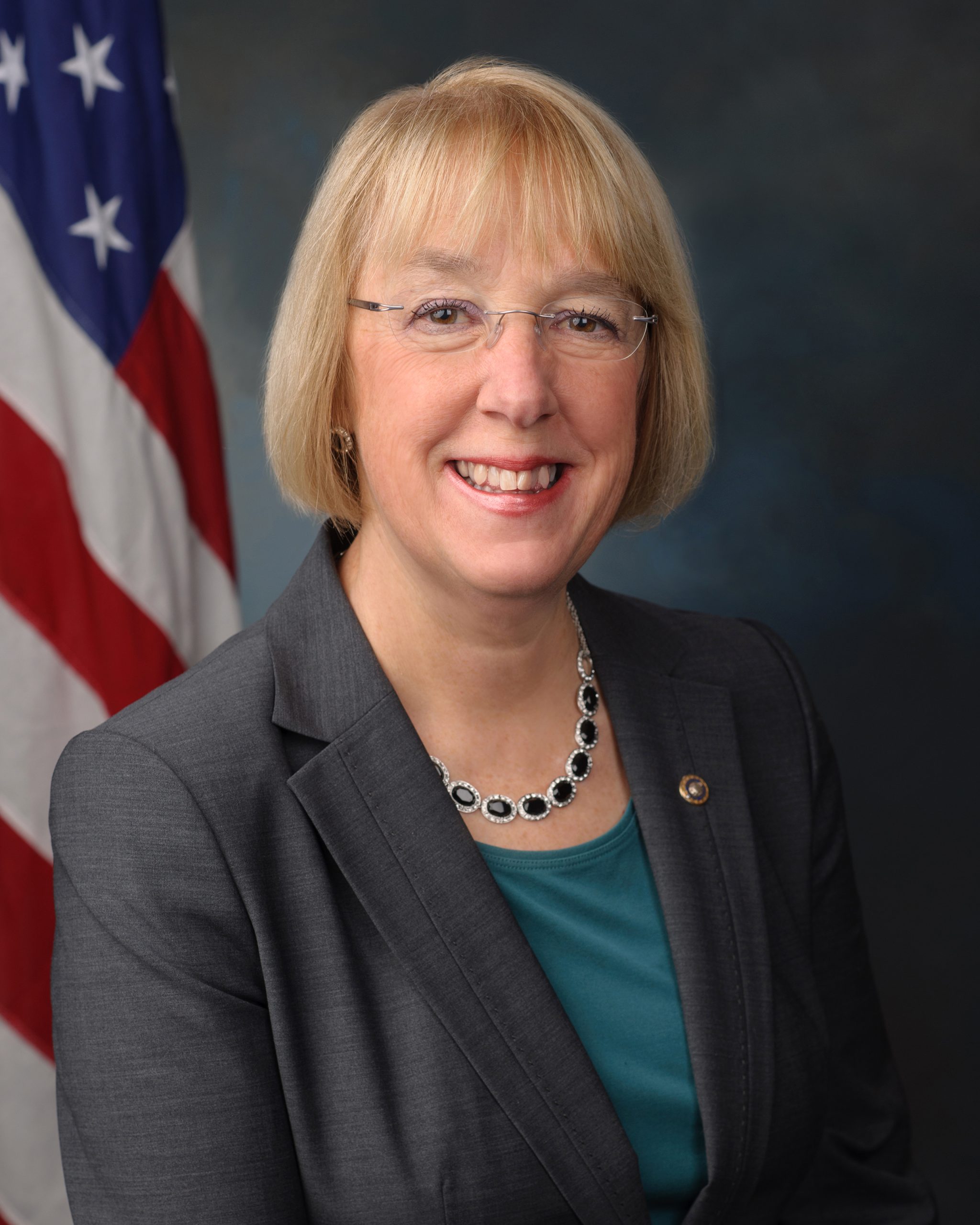
Sen. Patty Murray headshot

Patty Murray Voting Record & Scorecard | Institute for Legislative Analysis

US Senator from WA

Democrat

2025 Alignment:

8.21%

Lifetime Alignment:

7.08%

View Member History
District Performance
District Estimate: 7%
District Performance: +1 (8.21%)
District Based Rating:
F

Lifetime Ratings by Policy Category

Click Icon to Filter Table

Title

Lawmaker Position

Overturning a Biden Bureau of Land Management Plan that Prevents Coal Leasing on 1.7 Million Acres of Federal Land

This resolution introduced by Rep. Troy Downing (R-MT) utilizes the Congressional Review Act (CRA) to nullify a Biden administration rule submitted by the Bureau of Land Management (BLM) relating to the "Miles City Field Office Record of Decision and Approved Resource Management Plan Amendment." Resource management plans guide how BLM-administered lands are managed, including whether and where coal leasing may be considered. The Miles City plan amendment made 1.7 million acres unavailable for future coal leasing. According to supporters, this kind of federal land "lock up" undermines local economies and energy affordability by putting Washington planners ahead of workers, communities, and responsible development.
Support is the Limited Government Position as Congress must rein in unelected agencies that use sweeping land-use decisions to restrict lawful resource development and centralize control over local economies.
This resolution helps restore accountability and protects access to America's domestic energy resources.
Against
Limited
Government

Overturning a Biden Bureau of Land Management Rule that Restricts Oil, Gas, and Coal Development on Federal Lands in North Dakota.

This resolution introduced by Rep. Julie Fedorchak (R-ND) utilizes the Congressional Review Act (CRA) to nullify a Biden administration rule submitted by the Bureau of Land Management (BLM) relating to the "North Dakota Field Office Record of Decision and Approved Resource Management Plan." Resource management plans guide how BLM-administered lands are managed, including where energy development is allowed or restricted. Biden's North Dakota plan modified the prior 1988 plan by limiting oil and gas development in certain areas and restricting new coal leasing to areas within four miles of existing mines. According to supporters, the rule represents a federal land-use "lock up" that would limit access to domestic resources, threaten jobs and state revenues, and increase energy costs for families and businesses.
Support is the Limited Government Position as Congress must rein-in unelected bureaucrats who use federal land plans to restrict lawful energy development and centrally plan the economy.
This resolution helps protect energy affordability and strengthens American energy independence.
Against
Limited
Government

Overturning a Biden Bureau of Land Management Plan that Blocks Mineral Extraction on Millions of Acres in Alaska's Central Yukon Region.

This resolution introduced by Rep. Nicholas Begich (R-AK) utilizes the Congressional Review Act (CRA) to nullify a Biden administration rule submitted by the Bureau of Land Management (BLM) relating to the "Central Yukon Record of Decision and Approved Resource Management Plan." Resource management plans guide how BLM-administered lands are managed, including where uses such as responsible development, access, and conservation rules will apply. The Central Yukon plan was issued on November 12, 2024, and, among other changes, designates 21 areas as "critical environmental concern" and locks up roughly 3.6 million acres. According to supporters, these designations and related restrictions amount to a federal land "lock up" that can limit multiple-use access, hinder economic opportunity, and place Washington bureaucrats in charge of decisions that should be made closer to the people most affected.
Support is the Limited Government Position as Congress must rein in unelected federal agencies that use sweeping land-use plans to restrict lawful activity and centralize control over local economies.
This resolution helps restore accountability and protects access to America's vast public-land resources.
Against
Limited
Government

Restoring American Energy and Jobs by Reversing the Biden-Era Plan that Shut Down Future Federal Coal Leasing.

This resolution, sponsored by Rep. Harriet Hageman (R-WY), uses the Congressional Review Act (CRA) to nullify a former Biden administration rule implemented at the Bureau of Land Management titled "Buffalo Field Office Record of Decision and Approved Resource Management Plan Amendment" on November 20, 2024. The Biden-era rule made no federal coal available for future leasing in the Buffalo Field Office area, effectively ending future federal coal leasing in Wyoming's Powder River Basin. By disapproving the 2024 rule, Congress would undo those restrictions and revert management back to the 2020 Trump-era plan, thus expanding the domestic energy supply.
Support is the Limited Government Position as the Biden-era decision locked up domestic resources and unnecessarily raised consumer costs.
Nullifying this rule helps unleash American energy dominance and increases taxpayer revenues.
Against
Limited
Government

Repealing the Biden-Era ANWR Coastal Plain Leasing Restrictions to Restore Domestic Energy Production and Lower Costs.

This resolution, sponsored by Rep. Nicholas Begich (R-AK), uses the Congressional Review Act (CRA) to nullify a former Biden administration rule implemented at the Bureau of Land Management titled "Coastal Plain Oil and Gas Leasing Program Record of Decision" on December 9, 2024. The Biden-era rule changed how oil and gas leasing can occur in the Coastal Plain program area within the Arctic National Wildlife Refuge. The Biden-era decision replaced the 2020 record of decision under the first Trump administration that had made the full 1.6 million acre program area available for leasing. The Biden-era decision made only 400,000 acres available for leasing (the statutory minimum) placing roughly 1.2 million acres off-limits.
Support is the Limited Government Position as the Biden-era decision locked up domestic resources and unnecessarily raised consumer costs.
Nullifying this rule helps unleash American energy dominance and increases taxpayer revenues.
Against
Limited
Government

Repealing a Biden Rule at the Department of Energy that Effectively Bans Popular Natural Gas Tankless Water Heaters

This joint resolution, introduced by Rep. Gary Palmer (R-AL), would utilize the Congressional Review Act (CRA) to repeal a Biden Department of Energy rule titled "Energy Conservation Program: Energy Conservation Standards for Consumer Gas-fired Instantaneous Water Heaters" and published on December 26, 2024. The underlying rule set new federal efficiency standards for gas-fired instantaneous (tankless) water heaters, including widely used non-condensing models. According to supporters, the rule was designed in a way that effectively pushes non-condensing units out of the market and forces homeowners and small businesses into more expensive options and complicated retrofits. They argue this is part of a broader regulatory playbook where Washington uses appliance rules to squeeze out natural gas products, shrinking consumer choice while raising costs for everyday replacements and home repairs.
Support is the Limited Government Position as Congress should stop unelected regulators from using appliance standards as a backdoor ban that raises costs and limits consumer choice.
Repealing this rule helps prevent federal bureaucrats from dictating what energy options Americans are allowed to use in their homes and businesses.
Against
Limited
Government

Repealing a Biden IRS Rule that Grows Financial Surveillance Through Expanded Crypto "Broker" Reporting

This joint resolution, introduced by Rep. Mike Carey (R-OH), would utilize the Congressional Review Act (CRA) to repeal an Internal Revenue Service rule titled "Gross Proceeds Reporting by Brokers That Regularly Provide Services Effectuating Digital Asset Sales" and published on December 30, 2024. The underlying rule expands who the IRS treats as a "broker" for digital asset sales and would require covered entities to report gross proceeds and send new tax statements tied to crypto transactions. According to supporters, repealing the Biden rule would stop Washington from rewriting the definition of "broker" to sweep in parts of the digital asset economy that do not operate like traditional brokerages, including technology platforms that cannot realistically collect the personal data the rule demands. They argue the Biden rule is less about honest tax administration and more about building a new reporting regime that turns financial innovation into a compliance trap, pushing lawful activity overseas while increasing the federal government's ability to monitor Americans' economic lives.
Support is the Limited Government Position as Congress should stop the IRS from expanding surveillance-style reporting mandates that go beyond clear statutory authority and punish emerging technologies.
Repealing this rule helps protect financial privacy and innovation from bureaucratic overreach.
Against
Limited
Government

Repealing Biden's EPA Methane Fee Rule That Grows Federal Penalties and Drives Up Domestic Energy Costs

This joint resolution, introduced by Rep. August Pfluger (R-TX), would utilize the Congressional Review Act (CRA) to repeal a Biden Environmental Protection Agency rule titled "Waste Emissions Charge for Petroleum and Natural Gas Systems: Procedures for Facilitating Compliance, Including Netting and Exemptions" and published on November 18, 2024. The underlying rule sets the compliance framework for the federal "waste emissions charge," including how covered facilities calculate emissions, use "netting," and qualify for exemptions, with EPA positioned to assess penalties when standards are not met. According to supporters, this rule is the enforcement engine for a Washington created methane tax that punishes American oil and gas production, increases compliance burdens across the supply chain, and ultimately raises energy prices for families and job creators. They argue it hands regulators another tool to pressure domestic producers while making the U.S. less competitive and more dependent on foreign energy.
Support is the Limited Government Position as Congress should stop the federal government from using regulatory schemes and penalty regimes to tax and micromanage domestic energy production.
Repealing this rule helps block bureaucratic enforcement that would raise costs and expand Washington's control over the energy economy.
Against
Limited
Government

Repealing a Biden Rule at the Department of Energy that Imposed Unnecessary Labeling and Certification Mandates on Consumer Appliances.

This joint resolution, introduced by Rep. Andrew Clyde (R-GA), would utilize the Congressional Review Act (CRA) to repeal a Biden Department of Energy rule titled "Energy Conservation Program for Appliance Standards: Certification Requirements, Labeling Requirements, and Enforcement Provisions for Certain Consumer Products and Commercial Equipment" and published on October 9, 2024. The underlying rule imposed new federal paperwork, labeling, and reporting requirements and expanded enforcement provisions across a wide range of everyday appliances and equipment. It covered roughly 20 product categories, reaching into items like dishwashers, clothes washers, air conditioners and heat pumps, battery chargers, light bulbs, and other common products used by families and employers. According to supporters, by nullifying the rule, the resolution would stop Washington from turning routine appliances into a compliance headache where manufacturers face more audits, more forms, and more threats of enforcement, and then pass those costs along to everyone at the checkout counter.
Support is the Limited Government Position as Congress should rein-in unelected regulators that keep adding paperwork mandates and enforcement traps that raise prices and restrict consumer choice.
Repealing this rule helps protect businesses from another round of bureaucratic micromanagement.
Against
Limited
Government

Overturning a Draconian Biden Rule that Banned Off-Road Vehicle Usage on Miles of Trails at Glen Canyon National Park

This joint resolution, introduced by Rep. Mike Kennedy (R-UT), would utilize the Congressional Review Act (CRA) to repeal a Biden National Park Service rule titled "Glen Canyon National Recreation Area: Motor Vehicles" and published on January 13, 2025. The underlying rule revised special regulations for Glen Canyon to update and restrict where motor vehicles may be used on roads and off-road on designated routes and areas. According to supporters, the rule empowers federal land managers to tighten access through regulatory changes that can limit recreation, local use, and tourism-dependent communities while expanding Washington's control over how Americans can use public lands. They argue Congress should stop this kind of federal overreach and keep access decisions from being driven by bureaucracy and pressure from activist groups rather than transparent, accountable policymaking.
Support is the Limited Government Position as Congress should rein in agencies that use regulation to micromanage public-land access without accountability.
Repealing this rule helps prevent federal managers from steadily restricting lawful use of public lands through top-down mandates.
Against
Limited
Government

Repealing a Biden EPA Rule that Imposed Costly New Emissions Mandates on U.S. Tire Manufactures.

This joint resolution, introduced by Rep. Morgan Griffith (R-VA), would utilize the Congressional Review Act (CRA) to repeal a Biden Environmental Protection Agency rule titled "National Emission Standards for Hazardous Air Pollutants: Rubber Tire Manufacturing" and published on November 29, 2024. The underlying rule imposed new federal emissions standards on parts of the rubber tire manufacturing process and expanded EPA's regulatory reach over domestic tire plants. According to supporters, repealing the Biden rule would stop Washington from piling more red tape and expensive compliance demands onto an industry that supports thousands of American jobs and produces an essential product used by nearly every household and business. They argue the mandate would raise production costs, squeeze smaller facilities the hardest, and push more manufacturing out of the United States.
Support is the Limited Government Position as Congress should block unaccountable bureaucrats from imposing costly mandates that punish domestic manufacturing through backdoor rulemaking.
Repealing this EPA action helps protect jobs, affordability, and U.S. competitiveness by reining in regulatory overreach.
Against
Limited
Government

Blocking Biden's Costly Commercial Refrigeration Energy Standards Mandate by Overturning a Department of Energy Rule

This joint resolution, introduced by Rep. Craig Goldman (R-TX), would utilize the Congressional Review Act (CRA) to repeal a Biden Department of Energy rule titled "Energy Conservation Program: Energy Conservation Standards for Commercial Refrigerators, Freezers, and Refrigerator-Freezers" and published on January 21, 2025. The underlying rule establishes new federal energy conservation standards for common commercial refrigeration equipment used by grocery stores, restaurants, convenience stores, and other businesses. According to supporters, the repeal of the Biden rule would stop Washington from using one-size-fits-all efficiency mandates to dictate what equipment businesses can buy and how much it must cost to comply. These types of federal standards often function as a hidden tax on everyday commerce by forcing expensive redesigns, accelerating replacement cycles, and raising operating and purchase costs that ultimately get passed on to consumers.
Support is the Limited Government Position as Congress should rein-in costly, top-down energy mandates imposed by unelected regulators.
Repealing this rule helps protect small businesses and consumers from bureaucratic micromanagement that drives up prices.
Against
Limited
Government

Blocking a De Facto National Zero Emission Truck Mandate by Overturning the Biden EPA's California Advanced Clean Trucks Waiver.

This joint resolution, introduced by Rep. John James (R-MI), would utilize the Congressional Review Act (CRA) to repeal a Biden Environmental Protection Agency notice titled "California State Motor Vehicle and Engine Pollution Control Standards; Heavy-Duty Vehicle and Engine Emission Warranty and Maintenance Provisions; Advanced Clean Trucks; Zero Emission Airport Shuttle; Zero-Emission Power Train Certification; Waiver of Preemption; Notice of Decision" and published on April 6, 2023. The underlying action granted California a waiver to enforce regulations that drive heavy-duty vehicles and equipment toward government-directed "zero-emission" requirements and impose stricter warranty and maintenance mandates on diesel engines. By allowing one state to set the pace for manufacturers and other states, this waiver functions as a backdoor way to reshape the national truck market without Congress voting on the costs. Supporters argue the waiver raises prices for truckers and small businesses, threatens supply chain reliability, and hands regulators sweeping leverage to force an energy transition that working Americans did not choose.
Support is the Limited Government Position as Congress should stop executive-branch maneuvers that let California and federal bureaucrats impose nationwide mandates through waivers rather than legislation.
Repealing this action protects consumer choice and prevents regulators from centralizing control over the transportation economy.
Against
Limited
Government

Blocking California's Backdoor National EV Mandate by Overturning the Biden EPA's Advanced Clean Cars II Waiver

This joint resolution, introduced by Rep. John Joyce (R-PA), would utilize the Congressional Review Act (CRA) to repeal a Biden Environmental Protection Agency action granting California a waiver of federal preemption for its "Advanced Clean Cars II" program, published on December 18, 2024. By nullifying the waiver, the resolution would prevent California from enforcing emissions standards that effectively function as an electric vehicle sales mandate and that pressure automakers and other states to conform to California's regulatory model. The waiver approach turns a single state's preferences into a de facto national policy without a direct vote of Congress, raising costs for families, limiting consumer choice, and empowering regulators to reshape the auto market through executive action rather than legislation.
Support is the Limited Government Position as Congress should rein-in executive branch overreach that allows federal agencies and one state government to impose sweeping mandates nationwide.
Blocking this waiver restores accountability and protects consumers from regulatory coercion disguised as environmental policy.
Against
Limited
Government

Blocking California's Draconian Heavy-Duty Diesel Emissions Mandate by Overturning a Biden EPA Action

This joint resolution, introduced by Rep. Jay Obernolte (R-CA), would utilize the Congressional Review Act (CRA) to repeal a Biden Environmental Protection Agency action titled "California State Motor Vehicle and Engine and Nonroad Engine Pollution Control Standards; The 'Omnibus' Low NOX Regulation; Waiver of Preemption; Notice of Decision" and published on January 6, 2025. The underlying action granted California permission to enforce its Omnibus Low-NOx emissions program for heavy-duty engines and certain diesel equipment despite federal preemption under the Clean Air Act. By nullifying the waiver, the resolution would stop California from using federal approval to impose regulations that effectively drive a nationwide push toward stricter diesel requirements as manufacturers and other states are pressured to conform. According to supporters, the waiver is another example of Washington allowing one state to dictate energy and transportation policy for the entire country, raising vehicle and compliance costs, disrupting supply chains, and handing regulators more leverage to squeeze working families, truckers, farmers, and small businesses.
Support is the Limited Government Position as Congress should prevent the executive branch from using waivers and regulatory loopholes to impose sweeping mandates without accountability.
Repealing this action helps stop California and federal bureaucrats from turning climate policy into a backdoor national diesel mandate.
Against
Limited
Government

Extending Tax Relief but Also Worsening Cronyism and Wealth Redistribution through the "One Big Beautiful Bill Act".

This vote on the One Big Beautiful Bill Act, introduced by Rep. Jodey Arrington (R-TX), is on the final version amended by the Senate, with Vice President JD Vance breaking the tie. From a limited government perspective, the bill contained positive provisions that extended the lower personal and corporate tax rates, as well as key estate and business tax provisions originally enacted within the 2017 Tax Cuts and Jobs Act that were set to expire. However, the bill also contained negative provisions that worsened cronyism and wealth redistribution such as no tax on tips and overtime, a larger child tax credit, a car-loan interest deduction, and "Trump Accounts" seeded with a $1,000 federal contribution. With a razor-thin Republican majority, the bill was deemed a necessary evil to lock in the core tax relief and prevent a major tax shock, even as it expanded the practice of using the tax code to pick winners and losers and invited more lobbying and cronyism into federal policy.
Support is the Limited Government Position because, despite serious flaws, the bill prevents a large scheduled tax increase by extending broad-based tax relief and protecting taxpayers from a punitive expansion of Washington's reach into private earnings.
Against
Limited
Government

Cutting $16 Billion from USAID to Reduce Waste and End Taxpayer Funding of Politicized LGBTQ+ Initiatives.

The Sen. Rand Paul (R-KY) amendment #1266 to the FY2025 appropriations bill would reduce the amount appropriated for the United States Agency for International Development (USAID) by codifying the Trump administration's foreign-aid reductions identified through Secretary Rubio and DOGE. The amendment would have saved taxpayers roughly $16 billion on an annualized basis by cutting back a foreign-aid bureaucracy that has long operated with weak oversight and a history of waste, fraud, and abuse. Supporters argued the cuts were especially urgent as DOGE has highlighted examples of taxpayer dollars being steered toward ideological advocacy and "woke" cultural projects abroad, including cited spending such as $2 million tied to "sex changes" and LGBT activism in Guatemala, thousands for an LGBT-themed opera project in Colombia, and a claimed grant connected to a transgender-themed comic initiative in Peru. Rather than continuing to fund these programs at prior-year levels, the amendment would have locked in reductions and redirected the savings toward lowering the deficit and debt.
Support is the Limited Government Position as taxpayers should not be forced to bankroll a sprawling foreign-aid apparatus that finances political and ideological projects overseas and rewards entrenched contractors with limited accountability.
Codifying the cuts is necessary to make waste reductions real and permanent instead of temporary executive action that can be reversed or spent elsewhere.
Against
Limited
Government

Preserving Washington Waste by Defunding DOGE and Blocking Oversight of Fraudulent Spending Across Federal Agencies

The Sen. Chris Van Hollen (D-MD) amendment #1272 to the FY2025 appropriations bill would prohibit the use of appropriated amounts by the Department of Government Efficiency (DOGE), effectively defunding the federal waste-hunting effort in the middle of the fiscal year. DOGE's work has highlighted the scale of routine mismanagement across the bureaucracy, including the Small Business Administration distributing more than $300 million in loans to thousands of children age 11 and younger, agencies paying for tens of thousands of unused software licenses, and the Department of Veterans Affairs spending $56,000 to water eight plants for five years. Opponents of the amendment argued that shutting down DOGE is an attempt to protect the status quo by stopping audits, transparency, and reforms that expose waste and force agencies to justify spending. With deficits surging and debt approaching crisis levels, they warned Congress should be expanding scrutiny of federal spending, not cutting off the very effort identifying abuses in real time.
Oppose is the Limited Government Position as defunding DOGE protects bureaucratic waste and undermines one of the most practical tools for stopping fraud, eliminating unnecessary spending, and restoring accountability.
Taxpayers should not be forced to bankroll mismanagement that can be identified and corrected through aggressive oversight.
Against
Limited
Government

Closing the Medicaid Loophole that Lets Illegal Immigrants Receive Benefits Before Lawful Presence Is Verified

The Sen. Marsha Blackburn (R-TN) amendment #2764 to the "One Big Beautiful Bill" would close a loophole that allows illegal immigrants to receive Medicaid coverage for up to 90 days by blocking federal taxpayer dollars from funding benefits for prospective beneficiaries until citizenship or lawful presence is verified. Under current practice, states can provide coverage during a verification window, creating a pathway for ineligible individuals to receive taxpayer-funded benefits before eligibility is confirmed. Supporters argued this is a basic integrity reform needed to protect Medicaid for lawful, vulnerable Americans and to stop the program from being exploited as a de facto benefit for those who are not eligible. They also pointed to the broader scale of Medicaid and federal health-program waste, noting estimates of more than $1 trillion in improper payments over the last decade, and argued that restoring integrity requires ending policies that invite abuse. In addition, supporters cited estimates that roughly 1.4 million illegal immigrants are currently exploiting Medicaid and argued that eligibility verification up front is a straightforward way to protect taxpayers and preserve resources for those who truly need care.
Support is the Limited Government Position as taxpayer-funded benefits should be reserved for lawful, eligible recipients and administered with strict verification to prevent waste, fraud, and abuse.
Requiring citizenship or lawful presence verification before federal dollars flow is a necessary accountability measure that protects Medicaid's sustainability.
Against
Limited
Government

Preserving Medicaid Waste by Blocking Reforms to State-Directed Payments Under the Guise of Protecting Rural Maternity Care

The Blunt Rochester motion to commit would send the "One Big Beautiful Bill" back to committee for three days with instructions to strike any provision limiting Medicaid state-directed payments and to preserve access to hospital labor and delivery units, citing that Medicaid finances about 40 percent of births nationwide and nearly 50 percent of births in rural communities. While the motion is framed as protecting moms and babies, it would delay the bill and effectively gut the integrity reforms designed to combat Medicaid waste, fraud, and abuse. State-directed payments are a major driver of Medicaid's broken financing because they allow states to steer inflated payments through complex arrangements that can function like slush funds, rewarding politically connected entities while shifting more costs onto federal taxpayers. With Medicaid spending surging and SNAP-style entitlement growth becoming increasingly unsustainable, opponents argued the program needs accountability reforms – not carveouts that preserve the very payment schemes that inflate costs and weaken transparency.
Oppose is the Limited Government Position as Medicaid must be protected for the truly needy by strengthening oversight and ending wasteful payment games that expand spending without improving care.
Congress should not block integrity reforms with broad carveouts that keep state-directed payment schemes on autopilot and push taxpayers deeper into an unsustainable welfare-state trajectory.
Against
Limited
Government

Worsening Wealth Redistribution by Hiking the Top Tax Rate to 39.6% to Fuel Greater Levels of Out-of-Control Health Spending and Cronyism

This vote was on the motion to advance the Sen. Susan Collins (R-ME) amendment #2812 to the "One Big Beautiful Bill". The amendment would expand the Rural Health Transformation Program by increasing the Rural Healthcare Provider Fund from $20 billion to $50 billion and broadening eligibility beyond rural hospitals to include community health centers, nursing homes, ambulance services, skilled nursing facilities, and other providers tied to the Medicaid welfare system. Opponents warned the structure functions like a slush fund that states can utilize for unrelated initiatives, with weak accountability often enriching politically connected entities while failing to fix underlying access and integrity problems. To pay for the expansion, the amendment would raise the top individual income tax rate from 37 percent to 39.6 percent for individuals earning more than $25 million and couples earning more than $50 million, further deepening Washington's cycle of higher taxes and bigger government healthcare spending. Note: Members who voted in opposition because they sought larger levels of spending were also recorded as supporting the motion.
Oppose is the Limited Government Position as this proposal expands a waste-prone spending pipeline while raising tax rates to fuel more centralized healthcare redistribution and cronyism.
Congress should pursue reforms that strengthen integrity and reduce spending, not build a larger slush fund financed by higher taxes.
Against
Limited
Government

Penalizing States that Use Medicaid to Cover Criminal Aliens by Reducing Federal Subsidies for Violent and Sexual Offenders

The Sen. John Cornyn (R-TX) amendment #2771 to the "One Big Beautiful Bill" would reduce federal Medicaid funding to states that provide Medicaid coverage to illegal immigrants who have been convicted or charged with serious offenses, including sex offenses, human trafficking, domestic or child abuse, murder or manslaughter, or child pornography. Specifically, for Medicaid expanded states that provide coverage to these categories of illegal immigrants, the amendment would lower the federal reimbursement rate for the expansion population from 90 percent to 80 percent. Supporters contend states should not be rewarded with an enhanced federal match for policies that prioritize benefits for violent illegal immigrants over citizens and lawful residents, especially when Medicaid is already strained by waste, improper payments, and growing long-term costs.
Support is the Limited Government Position as federal welfare dollars should be reserved for lawful, eligible recipients and should not subsidize state choices to provide benefits to illegal immigrants accused or convicted of severe crimes.
Reducing the enhanced match is a targeted accountability measure that protects taxpayers and reinforces that Medicaid is not a sanctuary benefit system.
Against
Limited
Government

Trapping Veterans in Government Dependency by Blocking SNAP Work Requirements and Gutting Reforms to Cut Waste

The Sen. Tammy Duckworth (D-IL) motion to commit H.R. 1 would send the "One Big Beautiful Bill" back to committee for three days with instructions to ensure Supplemental Nutrition Assistance Program (SNAP) benefits are not terminated or reduced for favored categories of recipients, including veterans. While framed as a narrow protection, the motion would effectively undo the SNAP reforms in the bill by carving out broad exemptions that prevent meaningful work requirements and integrity measures from taking effect. The underlying reforms are intended to eliminate waste, improve accountability, and help able-bodied adults move toward self-sufficiency rather than long-term dependency, at a time when SNAP spending has nearly doubled since 2018 and the program's trajectory is increasingly unsustainable. Opponents of the motion argued that exempting large classes of recipients from work requirements keeps the welfare system on autopilot, weakens incentives to reenter the workforce, and blocks the very reforms needed to protect taxpayers and preserve the safety net for those who truly cannot work.
Oppose is the Limited Government Position as Congress should not derail SNAP integrity reforms that reduce waste and restore accountability in a rapidly expanding welfare program.
Sustainable assistance should encourage work and independence, not expand exemptions that trap people, including veterans, in dependency and drive spending higher.
Against
Limited
Government

Blocking Federal Workforce Reforms by Creating a Veteran "Layoff Shield" that Protects Bureaucracy and Preserves Wasteful Jobs

The Kaine motion to commit would send the "One Big Beautiful Bill" back to committee with instructions to add a provision prohibiting any federal agency, on or after January 20, 2025, from terminating more than 1 percent of its employees if any of the terminated employees is a veteran, unless the agency submits a detailed report to Congress at least 60 days in advance identifying the positions, number of employees, and the agency components affected. While framed as protecting veterans, the motion would function as a sweeping procedural barrier to federal downsizing because veterans make up more than 30 percent of the federal workforce, compared to roughly 6 percent of the overall workforce. Opponents argued this is an attempt to block efficiency efforts like DOGE by making it practically impossible for agencies to reduce headcount without political delays, even when positions are unnecessary or duplicative. They also noted veterans already receive hiring and retention preferences under existing law, and that taxpayer-funded jobs should not be preserved simply as a jobs program when the federal government is running enormous deficits and carrying a $39 trillion national debt.
Oppose is the Limited Government Position as Congress should not erect new barriers that prevent agencies from eliminating waste and right-sizing bureaucracy.
Every federal position should be justified by a legitimate, essential government function, and reforms that cut unnecessary jobs are critical to restoring fiscal discipline.
Against
Limited
Government

Combatting Cronyism by Requiring Congressional Approval Before the Executive Branch Spends $1 Billion in Undesignated Defense Production Act Funds.

This vote was on the motion to advance the Sen. John Kennedy (R-LA) amendment #2772 to the "One Big Beautiful Bill" prohibits the use of Defense Production Act of 1950 (DPA) funds without explicit approval by Congress. The underlying bill sets aside $1 billion to be spent by September 30, 2027, to carry out the Defense Production Act, without specifying how the money will be allocated or which private entities may benefit. The DPA is routinely abused outside of wartime as a central planning tool that picks winners and losers and enriches politically connected interests, often through contracts, loans, and subsidies. Supporters of the amendment pointed to the prior administration's use of the DPA to push massive last-minute spending, including roughly $90 billion in the final 76 days, and argued that Congress must be able to provide oversight and accountability so elected representatives can explain to the public how and why taxpayer funds are being spent.
Support is the Limited Government Position as it strengthens constitutional checks by ensuring Congress, not the executive branch, controls major spending decisions under the DPA.
Requiring approval helps curb cronyism and prevents unelected officials from using emergency-style authorities to steer billions to favored interests.
Supports
Limited
Government

Empowering Parents and Making Homeschooling More Achievable by Expanding the Teacher Expense Deduction to Homeschool Educators

The Sen. John Kennedy (R-LA) amendment #2421 to the "One Big Beautiful Bill" would increase the above-the-line deduction for educators' out-of-pocket classroom expenses from $250 to $600, updating an amount that has not been raised since 2002 to better reflect today's average costs. Most notably, the amendment expands eligibility to include homeschool educators, allowing parents who teach their children at home to deduct qualifying education expenses as well up to the $600 limit. Supporters argued that homeschooling is one of the clearest expressions of parental rights and a direct check on government control over education. They also noted that making homeschooling more achievable provides major fiscal benefits to taxpayers by reducing pressure on public systems and avoiding higher government education spending, while giving families more freedom to pursue learning that fits their child's needs and values.
Support is the Limited Government Position as expanding the deduction to homeschool educators strengthens parental rights and reduces government control over education.
Encouraging home education also delivers long-term savings by lessening taxpayer burdens and limiting the growth of state-run schooling systems.
Against
Limited
Government

Enriching Hospitals and Unions by Striking Limits on Medicaid Payment Schemes that Inflate Costs for Patients and Taxpayers.

The Sen. Andy Kim (D-NJ) amendment #2817 to the "One Big Beautiful Bill" would strike the bill's provision limiting certain Medicaid payments. The underlying language was designed to rein in inflated Medicaid payment arrangements – often structured through state-directed payments and other supplemental payments – that allow states to engineer higher payouts on paper while shifting the costs onto federal taxpayers. Opponents warned these payment schemes function like a money-laundering pipeline inside Medicaid, rewarding politically connected hospitals and special interests while doing little to improve access or outcomes for patients. They also argued the system is routinely used to enrich union leadership and entrenched health-care bureaucracies by locking in higher spending streams and wage structures funded by taxpayers, rather than forcing reforms that prioritize beneficiaries.
Oppose is the Limited Government Position as Medicaid dollars should be focused on patient care, not manipulated through complex payment arrangements that reward insiders and expand federal spending.
Keeping limits on these payments is a necessary step to curb waste, protect taxpayers, and stop special interests from exploiting Medicaid financing.
Against
Limited
Government

Ending the 2022 "Green New Scam" Subsidies by Terminating Wind and Solar Tax Credits.

The Sen. Mike Lee (R-UT) amendment #2745 to the "One Big Beautiful Bill" would terminate wind and solar tax credits, cutting off the "green new scam" subsidies adopted in 2022 under the Inflation Reduction Act. The House-passed version of the bill eliminated these subsidies entirely, while the Senate version only partially rolled them back; this amendment would have completed the rollback by ending the remaining wind and solar credits. These credits have functioned as corporate welfare by steering investment toward projects built around federal tax advantages rather than reliability and consumer demand, enriching a subsidy sector that lobbies to keep the carveouts permanent.
Support is the Limited Government Position as Congress should end special-interest energy subsidies that pick winners and losers and distort the marketplace.
Terminating wind and solar credits is a direct step toward fiscal restraint and a neutral tax code.
Against
Limited
Government

Gutting SNAP Integrity Reforms by Striking Food-Stamp Accountability Measures and Locking In Unsustainable Spending

The Sen. Ben Ray Luján (D-NM) motion on the "One Big Beautiful Bill" would send it back to committee with instructions to strike all provisions in the bill relating to the Supplemental Nutrition Assistance Program (SNAP). By removing the SNAP section entirely, the motion would effectively wipe out the bill's reforms aimed at reducing waste, strengthening eligibility and verification, improving accountability, and helping able-bodied recipients move toward work and self-sufficiency. SNAP spending has nearly doubled since 2018, and opponents of the motion argued the program's growth is becoming unsustainable without integrity reforms that ensure benefits are focused on those who truly need temporary assistance. Eliminating the reforms keeps the status quo in place and preserves the incentives and loopholes that have driven higher costs, weaker oversight, and greater dependency.
Oppose is the Limited Government Position as Congress should not strip out SNAP reforms needed to curb waste, fraud, and abuse and restore the program's role as temporary help rather than a permanent entitlement.
With massive deficits and a $39 trillion national debt, lawmakers should strengthen accountability and work-oriented reforms instead of blocking them.
Against
Limited
Government

Preserving Taxpayer Funding for Planned Parenthood by Striking a One-Year Prohibition on Medicaid Payments to Abortion Providers

The Sen. Patty Murray (D-WA) amendment #2747 to the "One Big Beautiful Bill" would strike the bill's one-year prohibition on Medicaid payments to abortion providers, including Planned Parenthood. The underlying bill included this provision to protect taxpayer dollars by preventing abortion providers from receiving Medicaid funds for one year, ensuring public welfare dollars are not routed through organizations whose business model is intertwined with the abortion industry. Opponents of the amendment argued that keeping these payments flowing forces taxpayers to underwrite an industry many Americans strongly oppose, deepening government entanglement in divisive social policy and expanding the role of federal welfare spending in propping up controversial private entities.
Oppose is the Limited Government Position as taxpayers should not be compelled to subsidize abortion-industry organizations through Medicaid, and Congress should ensure welfare funds are not used to enrich controversial providers.
Blocking these payments is a targeted restraint on government spending that protects taxpayers and limits federal involvement in underwriting abortion-related entities.
Against
Limited
Government

Permanently Expanding Obamacare Wealth Redistribution by Making the "Temporary" Enhanced Subsidies Permanent and Raising Taxes to Pay for It

The Sen. Jon Ossoff (D-GA) amendment #2696 to the "One Big Beautiful Bill" would extend the enhanced Obamacare premium tax credits and raise the top individual income tax rate from 37 percent to 39.6 percent for taxpayers with income of $5,000,000 ($10,000,000 married). These COVID-era subsidy boosts, created in 2021 and later extended by the Inflation Reduction Act only through 2025, removed the 400 percent of the federal poverty level cap on eligibility, allowing situations in which families earning up to $600,000 can receive taxpayer-funded subsidies. Opponents of the amendment argue the program is rife with fraud and waste, and insurers have been enriched because the enhanced subsidies are effectively paid directly to them. Making this "temporary" subsidy expansion permanent would further lock in an open-ended transfer system that grows federal control of healthcare and drives long-term spending and debt.
Oppose is the Limited Government Position as this amendment would permanently expand Obamacare subsidies and deepen taxpayer liability while funding it through higher tax rates.
Congress should allow the enhanced subsidy expansion to end and pursue reforms that reduce federal spending and insurer-enriching subsidy pipelines.
Against
Limited
Government

Preserving Solar and Wind Production Tax Credit Subsidies that Distort Energy Markets and Enrich Politically Favored Industries.

The Sen. Jacky Rosen (D-NV) amendment #2717 to the "One Big Beautiful Bill" would maintain parity for wind and solar facilities under the Internal Revenue Code of 1986. The amendment would effectively keep the federal production-tax-credit subsidies in place for solar and wind, shielding these industries from the underlying bill's effort to roll back special tax preferences. These credits steer investment based on what qualifies for federal subsidies rather than what consumers and markets actually demand, and they incentivize constant lobbying to preserve carveouts. Opponents argued the result is classic cronyism: a subsidy sector that profits from taxpayer-backed advantages while the costs are spread across the public through higher federal debt and a tax code that picks winners and losers.
Oppose is the Limited Government Position as Congress should end industry-specific tax credits that function as ongoing subsidies and keep energy markets dependent on Washington favoritism.
The tax code should be simplified and neutral, not used to enrich preferred sectors through permanent carveouts.
Against
Limited
Government

Expanding Medicare Entitlements While Worsening the Inflation Reduction Act Drug Price Controls

The Sen. Bernie Sanders (I-VT) amendment #2435 to the "One Big Beautiful Bill" would expand government control of healthcare by adding a major Medicare benefit expansion and escalating the Inflation Reduction Act's drug-pricing scheme. On benefits, it would add Medicare coverage for dental, vision, and hearing services beginning January 1, 2028, including routine exams and cleanings, major dental work, dentures, eyeglasses, and hearing aids. On drugs, it would worsen the IRA's price control regime by nearly tripling the number of drugs Medicare is required to "negotiate," meaning more medicines would be subjected to government coercion backed by massive excise-tax style penalties. It also codifies a Most Favored Nation-style price control scheme that pegs U.S. drug prices to a median price in other countries, importing foreign rationing and allowing international systems to effectively shape what treatments Americans can access. Opponents argued the amendment would grow entitlement spending, expand federal micromanagement of medical decisions, and undermine innovation and patient access by spreading coercive price caps across a much wider share of the drug market.
Oppose is the Limited Government Position as this amendment expands Medicare into new entitlement territory while doubling down on price controls that reduce competition, discourage innovation, and ultimately restrict patient access.
Congress should pursue reforms that empower patients and markets, not expand federal benefits and foreign-indexed drug rationing.
Against
Limited
Government

Preserving Wasteful SNAP Spending by Blocking Reforms and Locking In Food-Stamp Expansion Under the Guise of "Protecting Children"

The Schiff motion to commit would send the "One Big Beautiful Bill" back to committee for three days with instructions to ensure that no provision of the bill cuts any food assistance benefits for families with children under the age of 12. In practice, the motion would effectively undo the bill's SNAP reforms by carving out a large protected category that would prevent meaningful eligibility, enforcement, and administrative changes from taking effect. The underlying reforms were designed to eliminate waste, improve accountability, and move the program back toward its intended purpose as temporary assistance that helps people become self-sufficient rather than permanently dependent. Opponents of the motion argued these reforms are critical because SNAP spending has nearly doubled since 2018, making the program's current trajectory unsustainable and forcing taxpayers to subsidize a system with weak controls and growing abuse.
Oppose is the Limited Government Position as Congress should not derail or gut SNAP integrity reforms that reduce waste and restore accountability in a rapidly expanding welfare program.
Sustaining families is best served by reforms that encourage work and independence, not by blocking oversight and locking in an unsustainable spending surge.
Against
Limited
Government

Extending Green-Energy Tax Carveouts by Reinstating Four Special-Interest Credits and Deductions to Enrich Special Interests.

The Sen. Jeanne Shaheen (D-NH) amendment #2564 to the "One Big Beautiful Bill would modify the bill's provisions terminating key green-energy tax preferences by reinstating four incentives as they operate in current law: the energy efficiency home improvement credit, the residential clean energy credit, the new energy efficient home credit, and the energy efficiency commercial building deduction. In practical terms, it would keep Washington's subsidy pipeline flowing to favored "clean energy" and efficiency industries by preserving tax advantages that steer consumer decisions, corporate investment, and building activity based on what qualifies for federal benefits rather than what the market demands. The amendment would continue a system where well-connected sectors are rewarded through the tax code, while the costs are spread across taxpayers and added to the long-term debt. Rather than simplifying the tax code and ending special carveouts, it would lock in crony incentives that distort prices, encourage lobbying, and expand federal micromanagement of energy and construction choices.
Oppose is the Limited Government Position as Congress should be eliminating narrow, industry-specific tax favors that pick winners and losers and socialize private-sector costs onto taxpayers.
Ending these subsidies is a necessary step toward a simpler tax code, less cronyism, and more market-driven investment decisions.
Against
Limited
Government

Earmarking Northern Virginia Airports' Rent Payments to Avoid Paying Fair-Market Rent to the Federal Government

The Sen. Mark Warner (D-VA) amendment #2847 to the "One Big Beautiful Bill" would have redirected the Metropolitan Washington Airports Authority's (MWAA) lease payments – paid for operating Reagan National and Dulles, two airports on Federal Government land – so the money could be used for "aviation safety" and related purposes. This amendment followed the underlying bill's update to MWAA's rent calculation, which raised the federal rent from the 1987 level of $7.5 million to $15 million, a figure that remains dramatically below market rates. By comparison, the Port Authority of New York and New Jersey pays over $100 million in rent. Opponents to the amendment argued it was an attempt to neutralize MWAA's rent obligations under the guise of safety by turning what should be taxpayer rent into a local spending pot. They also noted the bill already provides $12.5 billion for the FAA to modernize and transform the air traffic control system to improve safety nationwide, making the amendment a self-interested earmark that benefits a Virginia senator's home-state airports rather than protecting taxpayers.
Oppose is the Limited Government Position as federally owned assets should generate fair, transparent rent for taxpayers and should not be converted into earmarked funding streams for favored local projects.
Aviation safety should be addressed through accountable FAA appropriations, not by carving out special treatment that shields politically connected airports from paying what they owe.
Against
Limited
Government

Blocking a Provision that Reins in the Unaccountable Consumer Financial Protection Bureau and Restores Congressional Oversight of the Rogue Regulator.

This vote was on a motion to advance the Sen. Elizabeth Warren's (D-MA) amendment #2414 to the "One Big Beautiful Bill". The Warren amendment would strike the bill's provision reducing the Consumer Financial Protection Bureau's funding cap from 12 percent to 6.5 percent, preserving the CFPB's unusually insulated funding stream outside the normal appropriations process. The underlying bill's reduction still leaves the agency with substantial resources to carry out its statutory mandate, and the cap continues to grow each year as it is adjusted for inflation. Opponents of the Warren amendment argued the CFPB has become a powerful, unaccountable regulator that uses "regulation by enforcement," targets disfavored industries, and operates with minimal democratic checks, and that reducing its automatic funding is a measured step toward curbing bureaucratic overreach while still allowing legitimate consumer protection work.
Oppose is the Limited Government Position as Congress – not an insulated bureaucracy – should control federal spending, and agencies should not be allowed to operate like a self-funded political weapon.
Keeping the reduced cap strengthens accountability, limits abuse, and reasserts the constitutional principle that the people's representatives set the limits for federal power.
Against
Limited
Government

Defending U.S. and Israeli Sovereignty by Sanctioning the International Criminal Court for Targeting Non-Member Nations

The "Illegitimate Court Counteraction Act," introduced by Rep. Chip Roy (R-TX), would impose sanctions related to the International Criminal Court (ICC) when it attempts to investigate, arrest, detain, or prosecute "protected persons" of the United States and certain U.S. allies that have not consented to ICC jurisdiction. The bill requires visa- and property-blocking sanctions on foreign persons who materially assist such ICC actions, and it also applies visa restrictions to certain immediate family members, while rescinding and restricting U.S. funding for the ICC. In part, the legislation responds to the ICC's escalating actions against Israel after, in November 2024, the ICC announced arrest warrants for Israeli Prime Minister Benjamin Netanyahu and former Defense Minister Yoav Gallant on baseless charges of "war crimes" and "crimes against humanity." According to supporters, this is about stopping an unaccountable international tribunal from trying to police Americans and key allies from the outside, even though the United States never granted the ICC authority over our citizens and Israel is not subject to its jurisdiction either.
Support is the Limited Government Position as the United States should not submit its citizens or allies to an unaccountable international court that operates beyond constitutional checks and voter control.
Congress should use lawful tools to defend national sovereignty and deter foreign actors who help weaponize international institutions against Americans and Israel.
Against
Limited
Government

Slowing Needed VA Efficiency Reforms by Forcing New Reports and Red Tape After Waste Has Been Exposed

The Sen. Tammy Duckworth (D-IL) amendment #3466 to H.R. 3944 (Military Construction and Veterans Affairs, Agriculture, and Legislative Branch Appropriations Act, 2026) would require the Secretary of Veterans Affairs to submit a report to Congress within 90 days detailing the Department's plan to reduce the VA workforce in fiscal year 2026, including how the Department would assess impacts on timely care, benefits delivery, and wait times, and how it would incorporate "lessons learned" from workforce actions taken in fiscal year 2025. Supporters argued the reporting requirement is about oversight and preventing harm to veterans. Opponents countered that the amendment is designed to slow or deter workforce reforms by layering process requirements onto management decisions that should be made quickly to cut bureaucracy and improve performance. In practice, this vote became a fight over whether Congress will allow VA leadership to pursue efficiency measures to reduce back-office bloat and redirect resources to veterans, especially after enormous waste and mismanagement have been uncovered across the federal government. Critics warned that when agencies know every reform will trigger mandated reports and political second-guessing, they default to protecting headcount and spending instead of fixing broken systems.
Oppose is the Limited Government Position as this amendment adds procedural hurdles that discourage timely efficiency reforms and protects bureaucracy from accountability.
Congress should empower management to cut waste and streamline operations so veterans receive better service, not impose new paperwork that slows needed changes.
Against
Limited
Government

Ending Earmark Credit-Grabbing by Revoking Funding When Lawmakers Use Taxpayer Dollars as Campaign Props

The Sen. Ron Johnson (R-WI) amendment #3428 to H.R. 3944 (Military Construction and Veterans Affairs, Agriculture, and Legislative Branch Appropriations Act, 2026) would bar lawmakers from taking credit for earmarks by conditioning the funding on a strict prohibition against self-promotion. Under the amendment, if a Member of Congress were to tout an earmark in interviews, mailings, speeches, or even on the campaign trail, the earmarked funding would be revoked. Supporters argue earmarks have become a vehicle for political corruption and branding, where politicians use taxpayer dollars to buy goodwill and campaign material rather than prioritize limited, constitutional government. They contend this reform would reduce the incentive to pursue earmarks for personal political gain and help shift Congress away from using federal spending as a tool for self-serving credit-grabbing.
Support is the Limited Government Position as earmarks encourage wasteful spending and political favoritism, and lawmakers should not be allowed to convert taxpayer-funded projects into campaign advertisements.
Revoking funding when politicians promote earmarks is a targeted accountability measure that discourages pork-barrel politics and helps protect taxpayers.
Against
Limited
Government

Cutting 2 Percent from a Bloated Agriculture Appropriations Bill that Exceeds the Trump Administration's Request

The Sen. John Kennedy (R-LA) amendment #3414 to H.R. 3944 (Military Construction and Veterans Affairs, Agriculture, and Legislative Branch Appropriations Act, 2026) would impose a 2 percent across-the-board reduction in Agriculture discretionary spending. The amendment would amount to a cut of $542 million, reducing total discretionary budget authority from $27.1 billion to $26.55 billion. Supporters argued the underlying bill was already significantly higher than what the Trump administration requested, reflecting Washington's habit of ratcheting spending upward regardless of results. They contended a modest 2 percent trim is a commonsense step to begin reining in a bloated federal budget, curb waste, and force agencies to prioritize rather than treating taxpayers as an unlimited funding source.
Support is the Limited Government Position as Congress should reduce discretionary spending and reject inflated appropriations that exceed what is necessary for core functions.
A modest cut helps restore fiscal discipline and signals that federal agencies must live within limits like the families and businesses who fund them.
Against
Limited
Government

Blocking the Trump Administration from Cutting Waste by Limiting Rescissions and Forcing Washington to Spend Money Even When It Is Unneeded

This vote was on the motion to waive all applicable budgetary points of order with respect to the Sen. Jeff Merkley (D-OR) amendment #3114 to H.R. 3944 (Military Construction and Veterans Affairs, Agriculture, and Legislative Branch Appropriations Act, 2026). The Merkley amendment would add a "Rescission Limitation" provision stating that no amounts provided under any division of the Act (or any other FY2026 appropriations law) may be rescinded unless the rescission is made through an appropriations Act. Opponents noted this amendment would weaken one of the most important tools for cutting waste by making it harder to claw back unnecessary spending once it has been identified. Rescissions are essential to stopping the "spend it all" culture in Washington – where agencies rush money out the door to protect their budgets – and that Congress should be helping, not blocking, efforts to hold back wasteful spending.
Oppose is the Limited Government Position as limiting rescissions protects bloated programs and undermines efforts to cut waste by preventing unused or unnecessary funds from being pulled back.
Congress should strengthen, not restrict, practical tools that stop wasteful spending before it becomes permanent.
Against
Limited
Government

Fueling Out-of-Control Spending by Hiking Congress' Own Budget by 5 Percent and Refusing to Lead by Example.

The Sen. Markwayne Mullin (R-OK) amendment #3412 to H.R. 3944 (Military Construction and Veterans Affairs, Agriculture, and Legislative Branch Appropriations Act, 2026) would approve the Legislative Branch Appropriations Act, 2026 as a separate division of the package. The amendment would provide $7.1 billion in funding to the Legislative Branch, and includes discretionary spending for House and Senate offices and other agencies serving the Capitol complex, representing about a 5 percent increase over comparable funding for the current fiscal year. The Legislative Branch funding was handled as a distinct amendment due to concerns from some Senators over its significant increase in cost, especially with major waste and excess spending being uncovered across the federal government through DOGE. Note: progressive lawmakers who opposed the bill for reasons of seeking more funding were also recorded as "supporting".
Oppose is the Limited Government Position as Congress should lead by example on spending restraint and reduce its own footprint rather than approving a sizable funding increase for itself.
Lawmakers must rein in the out-of-control spending and $38 trillion in national debt, which, when coupled with the $200 trillion in federal liabilities, represents the greatest existential threat facing this country.
Against
Limited
Government

Using Veterans' Tragedy to Justify a New VA Gun-Tracking Mandate that Stigmatizes Veterans Who Seek Financial Help.

The Sen. Chris Murphy (D-CT) amendment #3447 to H.R. 3944 (Military Construction and Veterans Affairs, Agriculture, and Legislative Branch Appropriations Act, 2026) would require the Department of Veterans Affairs to publish a quarterly report tied to the National Instant Criminal Background Check System (NICS). The amendment is in response to a reform implemented by the Trump administration correcting a previous practice whereby veterans lose their Second Amendment rights if they seek assistance from the Department of Veterans Affairs (VA) to have their financial affairs managed. Prior to the reform, when a fiduciary was appointed to help manage the financial affairs of a veteran, the VA automatically reports the veteran to the NICS and the veteran loses his or her right to have a firearm. This amendment would force the VA to report how many veterans would have been reported to NICS had the Trump reform not been implemented, and among those veterans, how many firearm suicides occurred in the prior quarter. Opponents to the amendment noted that veterans who are found by a competent judicial authority to be a danger to themselves or others are already reportable under current law, and there is no evidence that simply needing a fiduciary to help manage finances makes someone inherently dangerous.
Oppose is the Limited Government Position as veterans' constitutional rights should not be undermined through data collection schemes that treat the need for financial help as grounds for federal gun surveillance.
Congress should prioritize due process and effective mental health support instead of creating new reporting mandates that can be weaponized to expand federal control.
Against
Limited
Government

Cutting $4.37 Billion in Agriculture Pork and Welfare Spending that Subsidizes Special Interests and Socializes Costs onto Taxpayers

The Sen. Rick Scott (R-FL) amendment #3113 to H.R. 3944 (Military Construction and Veterans Affairs, Agriculture, and Legislative Branch Appropriations Act, 2026) would have cut approximately $4.37 billion from agriculture, conservation, rural development, research, and nutrition-related accounts, and place spending levels much closer to the budget proposed by President Trump. Supporters argued much of this funding functions as pork and corporate welfare that enriches select interests and industries while shifting costs onto taxpayers who receive little benefit. They pointed to examples such as nearly a half billion dollars for agriculture research and education initiatives that should be handled by the private sector, along with hundreds of millions in rural development and welfare-style programs that have become permanent subsidies instead of temporary assistance.
Support is the Limited Government Position as Congress should cut discretionary spending that funds special-interest subsidies and federal programs better handled by states, communities, and the private sector.
Reducing these accounts helps restore fiscal discipline and limits Washington's reach into agriculture and rural policy.
Against
Limited
Government

Blocking the Trump Administration from Cutting USDA Bureaucracy to Lower Costs and Better Serve Communities

The Sen. Chris Van Hollen (D-MD) amendment #3115 to H.R. 3944 (Military Construction and Veterans Affairs, Agriculture, and Legislative Branch Appropriations Act, 2026) would block the Trump administration's reorganization plan for the United States Department of Agriculture (USDA) from being implemented using funds in this bill. The Trump administration plan, which was announced on July 24, 2025, aims to refocus the Department on its core mission to support American farming, ranching, and forestry, citing the need to address a "bloated, expensive, and unsustainable organization." It would move roughly 2,600 Washington-based staff out of D.C. to five regional hubs – Raleigh, Kansas City, Indianapolis, Fort Collins, and Salt Lake City – so USDA can better serve local communities and reduce overhead costs. Opponents of the amendment argued it is designed to freeze the reforms and protect the D.C. bureaucracy from being right-sized, even after enormous waste and inefficiency have been exposed across the federal government.
Oppose is the Limited Government Position as Congress should not use appropriations to stop internal reforms that reduce bureaucracy, decentralize decision-making, and lower taxpayer costs.
The federal government should be streamlined and pushed closer to the communities it serves, not protected from accountability.
Against
Limited
Government

Cutting $9.4 Billion in Wasteful Foreign Aid and Federal Propaganda Subsidies Through a Targeted Rescissions Package.

The Rescissions Act of 2025, introduced by Rep. Steve Scalise (R-LA), would rescind $9.4 billion in previously appropriated but unobligated funding pursuant to President Trump's June 3, 2025 rescissions request under the Impoundment Control Act. The bill would cancel funds from the State Department and U.S. Agency for International Development accounts, along with rescissions affecting related entities and the Corporation for Public Broadcasting (NPR and PBS). The rescissions target categories such as contributions to international organizations, global health programs, migration, various foreign assistance and stabilization funds, and climate-related international funding. According to supporters, this measure is a first step to rein in entrenched Washington spending, stop sending taxpayer dollars to overseas programs that often lack accountability, and end subsidizing media institutions that have grown dependent on federal funding while advancing biased narratives.
Support is the Limited Government Position as Congress should completely cancel unused and unneeded appropriations instead of letting agencies sit on billions and then demand more.
Rescinding funds for foreign aid bureaucracy and taxpayer-funded public broadcasting helps restore fiscal discipline and limits government's ability to finance ideological agendas.
Against
Limited
Government

Preserving Wasteful Spending by Rejecting the Rescission of the "Feed the Future" Foreign Aid Spending and Agriculture Research Subsidies.

The Sen. Cory Booker (D-NJ) amendment #2887 to the Schmitt substitute to H.R. 4, the Rescissions Act of 2025, would block the rescission of $785 million in funds within the package. Specifically, the amendment would maintain funding for the "Feed the Future" program, a foreign aid program billed as improving global food security and agricultural resiliency. Additionally, the amendment maintains agriculture research funding for agribusinesses and universities. Opponents of the amendment argued that Washington too often treats overseas assistance and research accounts as untouchable even when oversight is thin and spending functions like a subsidy stream for select institutions, socializing costs onto taxpayers while the debt climbs.
Oppose is the Limited Government Position as lawmakers should follow through on returning unneeded funds to the Treasury instead of shielding foreign aid and subsidy-style spending from waste cuts.
Lawmakers must rein in the out-of-control spending and $38 trillion in national debt, which, when coupled with the $200 trillion in federal liabilities, represents the greatest existential threat facing this country.
Against
Limited
Government

Channeling $1.3 Billion in Taxpayer Funding to Catholic and Other Religious Entities Facilitating Mass Illegal Immigration Across America.

The Sen. Tim Kaine (D-VA) motion to recommit the Rescissions Act of 2025 would have sent the bill back to the Committee on Appropriations (delaying advancement for 3 days) with instructions requiring the bill to return with no cuts affecting faith-based organizations funded through the International Development account and the Migration and Refugee Assistance account. The Kaine motion would have blocked the rescission of $800,000,000 from Migration and Refugee Assistance and $496,000,000 from International Development-related foreign-aid funding, amounts that represent roughly 25 percent of the total targeted funding in these accounts. Opponents of the motion argued the rescissions were necessary to defund Catholic Relief Services and other religious-affiliated entities that were unlawfully using taxpayer dollars to help illegal immigrants avoid federal enforcement, effectively turning federal spending into a pipeline that undermines the rule of law. They warned the motion would preserve a large, hard-to-audit funding stream and keep Washington's foreign-aid machinery on autopilot even after the spending had been identified for cancellation.
Oppose is the Limited Government Position as Congress should follow through on returning unneeded funds to the Treasury and should not protect taxpayer-funded operations that undermine immigration enforcement and the rule of law.
Lawmakers must rein in the out-of-control spending and $38 trillion in national debt, which, when coupled with the $200 trillion in federal liabilities, represents the greatest existential threat facing this country.
Against
Limited
Government

Restoring NPR/PBS Subsidies that Push Radical Gender Ideology on Children and Compete with the Private Sector

The Sen. Ed Markey (D-MA) motion to recommit the Rescissions Act of 2025 would require the bill to come back (following a 3 day delay) with no rescissions that would reduce access to children's educational programming through public television stations. In effect, it would protect the Corporation for Public Broadcasting from the bill's roughly $1.1 billion rescission for FY2026 and FY2027 (about $535 million per year), keeping federal subsidies flowing to the public media system that underwrites PBS stations and PBS Kids programming. Opponents of the motion argued that taxpayers should not be forced to bankroll a public broadcasting system that has promoted politicized content for children, including airing a segment featuring a drag performer reading "The Hips on the Drag Queen Go Swish, Swish, Swish," and other programming that normalizes contested gender and sexuality themes for young audiences. They also emphasized that, regardless of content disputes, federal subsidies for broadcasting are an unnecessary government role that crowds out private and local alternatives in a media marketplace already saturated with children's programming.
Oppose is the Limited Government Position as Congress should follow through on cutting nonessential federal subsidies that are outside core constitutional responsibilities and that force taxpayers to fund controversial content.
Public television programming should rise or fall based on voluntary support, not guaranteed federal funding that preserves waste and expands government influence over culture.
Against
Limited
Government
Loading more bills…
Logo

Let's build a platform together!

Quick Links

Resources

  • Data Sources
  • Report Correction

Contact

© 2023 - 2026 Institute for Legislative Analysis. All Rights Reserved.
Open Options