Organization Logo
HomeMapLimited Gov. RatingsDist. Gradesionicons-v5-aLegislationionicons-v5-aCategoriesionicons-v5-aReportsionicons-v5-aAbout
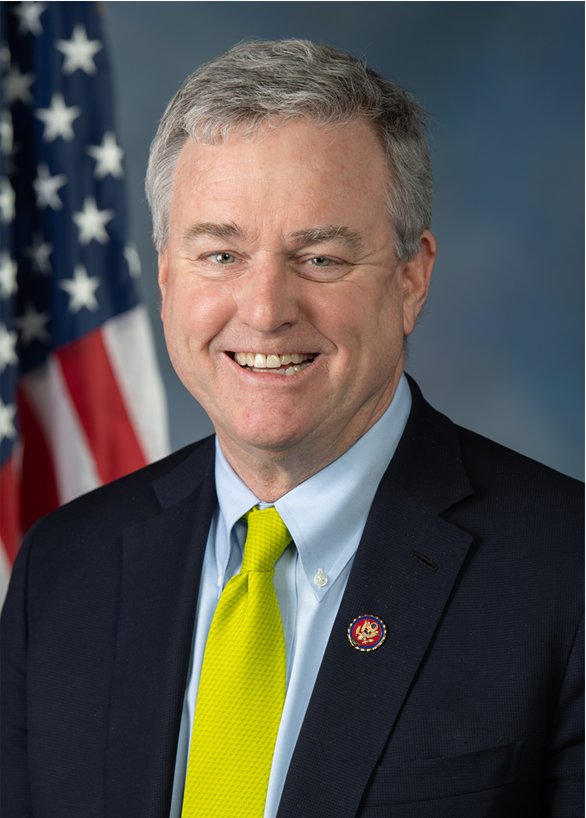
Rep. David Trone headshot

David Trone Voting Record & Scorecard | Institute for Legislative Analysis

US Representative from MD

District: 6Democrat

2024 Alignment:

6.37%

Lifetime Alignment:

7.85%

District Performance
Cook PVI Rating: D+3 (Solid D)
District Estimate: 17%
District Performance: -11 (6.37%)
District Based Rating:
F

Lifetime Ratings by Policy Category

Click Icon to Filter Table

Title

Lawmaker Position

Expressing Opposition to a Carbon Tax and its Detriment on Families and Businesses.

This resolution sponsored by Rep. Ryan Zinke (R-MT) expresses the sense of Congress that a carbon tax is not in the best interest of the country and would be detrimental to families and businesses. The resolution highlighted that the share of energy consumption during 2023 in the United States that was derived from fossil fuels was approximately 80 percent and a carbon tax will increase the cost of every good manufactured in the United States.
Support is the Limited Government Position as a carbon tax would not only unnecessarily hike the cost of consumer goods, but place the U.
S. at a significant competitive economic disadvantage on the national stage, all while having a miniscule impact on reducing global emissions.
Against
Limited
Government

Overturning a Biden Administration Rule Making it Cost Prohibitive for Banks to Hold Crypto-Currencies for their Customers.

This resolution introduced by Rep. Mike Flood (R-NE) utilizes the Congressional Review Act (CRA) to nullify a Biden administration rule issued by the Securities and Exchange Commission on March 31, 2022, titled "Staff Accounting Bulletin No. 121". This rule requires financial institutions and firms that are safeguarding their customers' digital assets (such as crypto-currency) to hold the assets on their balance sheet. The rule has received criticism due to the fact the regulations makes it cost prohibitive for banks and other financial institutions to serve as custodians for digital assets.
Support is the Limited Government Position as the Biden administration rule has largely roadblocked the ability of banks to hold digital assets, thus harming growth and innovation in the crypto-currency industry.
This measure provides critical regulatory relief.
Against
Limited
Government

Blocking Biden Administration Mandates that Force 70% of New Car Sales to be Electric by 2032.

This resolution introduced by Rep. John James (R-MI) utilizes the Congressional Review Act (CRA) to nullify a Biden administration rule issued by the Environmental Protection Agency on April 18, 2024, titled "Multi-Pollutant Emissions Standards for Model Years 2027 and Later Light-Duty and Medium-Duty Vehicles". This rule, which requires roughly 70% of new car and truck sales to be electric in less than 10 years, imposes much stricter emission standards for cars and light-duty trucks.
Support is the Limited Government Position as this draconian EPA rule infringes consumer choice, drives up the cost of automobiles, and will result in the elimination of gas-powered performance vehicles.
This bill is critical to combatting the actions of government bureaucrats to centrally plan the product sales of automotive manufactures in order to advance a radical and politicized environmental agenda.
Against
Limited
Government

Repealing the Greenhouse Gas Reduction Fund and other Politicized Environmental Program Harming Economic Growth Through the "Cutting Green Corruption and Taxes Act".

The "Cutting Green Corruption and Taxes Act" sponsored by Rep. Gary Palmer (R-AL) would rollback climate and environmental justice programs established in the Inflation Reduction Act (IFA) including the repeal of the "Greenhouse Gas Reduction Fund". The bill also eliminates an Environmental Protection Agency (EPA) program which provides incentives for petroleum and natural gas systems to reduce their emissions of methane and other greenhouse gases, as well as a charge placed on certain facilities for their methane emissions.
Support is the Limited Government Position as this bill guts multiple politicized environmental programs which inflict serious damage to the U.
S. economy and unnecessarily hike consumer costs. The country must adopt an "all of the above" approach to energy production that balances environmental concerns with the need to provide Americans with the lowest possible energy costs.
Against
Limited
Government

Fueling Out-of-Control Spending through a Government Funding Package with a 2-Year Debt Limit Suspension, $100 Billion in Disaster Aid and Farm Subsidies with No Fiscal Offsets.

This version of the "American Relief Act, 2025" passed on December 19, 2024 and sponsored by Rep. Tom Cole (R-OK) would fund the government through March 14, 2025. The bill also includes more than $100 billion in disaster aid and $10 billion in economic aid to farmers, as well as an extension of the farm bill through Sept. 30, 2025. The bill also contains a two-year suspension of the debt limit until Jan. 30, 2027, a provision advocated by President-elect Trump.
Oppose is the Limited Government Position as the debt limit serves as a critical tool to combating runaway spending and promoting implementation of fiscally sound policies such as the sequester.
Lawmakers must rein in the out-of-control spending and $35 trillion in national debt, which, when coupled with the $200 trillion in federal liabilities, represents the greatest existential threat facing this country. Note: Democrat lawmakers who voted "nay" were also recorded as opposing the limited government position due to the fact their opposition was for political reasons and not fiscal.
Against
Limited
Government

Fueling Out-of-Control Spending through a Government Funding Package Containing Over $100 Billion in Disaster Aid and Farm Subsidies with No Fiscal Offsets.

The final version of the "American Relief Act, 2025" passed on December 20, 2024 and sponsored by Rep. Tom Cole (R-OK) would fund the government through March 14, 2025. The bill also includes more than $100 billion in disaster aid and $10 billion in economic aid to farmers, as well as an extension of the farm bill through Sept. 30, 2025. This version of the bill does not include a two-year suspension of the debt limit as had been advocated by President-elect Trump.
Oppose is the Limited Government Position as lawmakers must rein in the out-of-control spending and $35 trillion in national debt, which, when coupled with the $200 trillion in federal liabilities, represents the greatest existential threat facing this country.
Against
Limited
Government

Fueling Out-of-Control Spending through an Expansion of Federal Welfare Benefits for the Lumbee Tribe of North Carolina through the "Lumbee Fairness Act".

The "Lumbee Fairness Act" sponsored by Rep. David Rouzer (R-NC) would extend federal recognition to the Lumbee Tribe of North Carolina and makes its members eligible for a series of services and new federal financial benefits. The Tribe has about 60,000 members and was granted partial federal recognition in 1956.
Oppose is the Limited Government Position as for nearly 70 years the Tribe has already had access to certain benefits and resources.
Lawmakers must rein in the out-of-control spending and $35 trillion in national debt, which, when coupled with the $200 trillion in federal liabilities, represents the greatest existential threat facing this country.
Against
Limited
Government

Advancing the Elimination of $1.34 Trillion of Biden Administration Regulations through the "Midnight Rules Relief Act".

The "Midnight Rules Relief Act" sponsored by Rep. Andy Biggs (R-AZ) allows Congress to disapprove multiple regulations under one joint resolution of disapproval if the regulations were submitted for review during the last 60 legislative days of the final year of a President's term. Currently, each joint resolution may disapprove of only one regulation. According to the sponsor, the bill "allows Congress to rein in unelected bureaucrats. Biden's bureaucrats imposed more than $1.34 trillion in regulations in 2024 alone."
Support is the Limited Government Position as the Biden Administration imposed a near endless list of destructive regulations, and this measure helps prevent the U.
S. economy from taking a $1.34 trillion hit due to the bureaucratic overreach.
Against
Limited
Government

Holding AG Merrick Garland in Contempt of Congress for Defying Two Congressional Subpoenas.

This resolution introduced by Rep. Anna Paulina Luna (R-FL) holds U.S. Attorney General Merrick Garland in contempt of Congress for defying two congressional subpoenas from the House Committees on Judiciary and Oversight & Accountability. The subpoenas demanded the recordings of President Biden's interview with special counsel Robert Hur, who was investigating the president's handling of classified documents. The measure also fines Garland $10,000 for each day he continues to defy the congressional subpoenas.
Support is the Limited Government Position as this measure provides a critical check on power and helps ensure the AG is held accountable considering the fact the Department of Justice is controlled by Garland.
Against
Limited
Government

Strengthening National Security and Intellectual Property Rights through the "Protect America's Innovation and Economic Security from CCP Act".

The "Protect America's Innovation and Economic Security from CCP Act" sponsored by Rep. Lance Gooden (R-TX) would reestablish the "China Initiative" at the Department of Justice (DOJ), which the Biden administration ended in 2022. Under the bill, the program is renamed the "CCP Initiative" and will (1) counter nation-state threats to the United States; (2) curb spying by the Chinese Communist Party (CCP) on U.S. intellectual property and academic institutions; (3) identify and prosecute individuals engaged in trade secret theft, hacking, and economic espionage; and (4) protect U.S. critical infrastructure from foreign threats.
Support is the Limited Government Position as this bill helps strengthen national security and American intellectual property rights by providing greater oversight of one the United States' top adversaries.
Against
Limited
Government

Ensuring Americans Maintain Control over Public Health Policy and Not the World Health Organization Through the "No WHO Pandemic Preparedness Treaty Without Senate Approval Act".

The "No WHO Pandemic Preparedness Treaty Without Senate Approval Act" sponsored by Rep. Tom Tiffany (R-WI) would require any agreement on pandemic prevention or response reached by the World Health Organization (WHO) to be approved by a two-thirds majority of the U.S. Senate. According to the sponsor, the bill is aimed at protecting American sovereignty against the WHO.
Support is the Limited Government Position as this measure helps ensure Americans remain in control over the public health policy of our nation and not globalist entities which do not place the interest of Americans first.
Against
Limited
Government

Condemning the Biden-Harris Administration for the Afghanistan Withdrawal which Cost the Lives of 13 U.S. Service Members and Transferred $7 Billion in Military Equipment to the Taliban.

This resolution, sponsored by Rep. Michael McCaul (R-TX) condemns President Joseph Biden, Vice President Kamala Harris, and 13 other individuals for their role in the Afghanistan withdrawal and noncombatant evacuation operation.
Support is the Limited Government Position as regardless of whether or not the U.
S. should have withdrawn from Afghanistan, the plan and execution of the Biden-Harris Administration's withdrawal was abominable. Tragically, 13 service members lost their lives and over $7 billion in U.S. military equipment was transferred to the Taliban and other terrorist groups.
Against
Limited
Government

Preventing Voter Disenfranchisement by Nullifying a District of Columbia Law that Provides Voting Rights to Illegal Immigrants.

This bill, sponsored by Rep. August Pfluger (R-TX) prohibits individuals who are not citizens of the United States from voting in elections in the District of Columbia and repeals the "Local Resident Voting Rights Amendment Act of 2022". While federal law prohibits noncitizens from voting in a federal election, DC enacted a law that allows illegal immigrants to vote in local elections. This bill repeals the DC law, which went into effect on February 23, 2023.
Support is the Limited Government Position as the DC law disenfranchises American citizens by allowing their votes to be cancelled out by individuals residing in the country unlawfully.
Ensuring the ability to vote is reserved only for citizens is a critical component to ensure free and fair elections, an essential component of democracy under our nation's constitutional republic.
Against
Limited
Government

Growing the National Oceanic and Atmospheric Administration (NOAA) to Award Grants to Government-Favored Non-Profits Under the "Sea Turtle Rescue Assistance and Rehabilitation Act".

The "Sea Turtle Rescue Assistance and Rehabilitation Act of 2023" sponsored by Rep. Bill Keating (D- MA) would grow the size and scope of the National Oceanic and Atmospheric Administration (NOAA) through the creation of a new "Sea Turtle Rescue Assistance and Rehabilitation Grant Program". In 2023, NOAA allocated about $1 million for sea turtle stranding response and rehabilitation activities. Under this bill, NOAA would hire additional employees and spend an estimated $33 million to provide grants to various non-profits which assist sea turtles.
Oppose is the Limited Government Position as while rehabilitating sea turtles is a worthy initiative, it is a duty of state and non-profit entities - not the federal government.
Taxpayers cannot afford to further grow the federal bureaucracy to support every animal group or the mission of every non-profit entity. The private sector is best equipped to fund these types of initiatives, which ensures waste is minimized and resources directed to the most needed initiatives.
Against
Limited
Government

Growing the State Department and Unnecessary Foreign Intervention by Facilitating Discussion of Human Rights in China through the "Uyghur Policy Act of 2023".

The "Uyghur Policy Act of 2023" sponsored by Rep. Young Kim (R-CA) would create a "Special Coordinator for Uyghur Issues" position within the Department of State which advocates for the human rights of minority groups residing primarily in the Xinjiang Uyghur Autonomous Region (XUAR) in China. The bill is estimated to cost $6 million over the next five years to implement and makes federal funds available to human rights advocates and to "facilitate the presence of such human rights advocates at public diplomacy forums".
Oppose is the Limited Government Position as while the human rights abuses in China (and within countless other nations) is a travesty, the U.
S. government and its taxpayers cannot afford to intervene and solve all of the world's problems. Additionally, the effectiveness of this government initiative is unknown, and a host of organizations already exist within the non-profit sector to address such issues. Lawmakers must prioritize the needs of Americans - not China - and rein in the out-of-control spending and $35 trillion in national debt, which, when coupled with the $200 trillion in federal liabilities, represents the greatest existential threat facing this country.
Against
Limited
Government

Reducing Overreaching Government Regulations in the Financial Sector and Providing More Americans with the Ability to Invest Through the "Expanding Access to Capital Act of 2023".

The "Expanding Access to Capital Act of 2023" sponsored by Rep. Patrick McHenry (R-NC) is a package of bills which would reduce various financial securities regulations. Under the bill, a number of reporting and registration requirements for companies, brokers, and advisors would be decreased, plus provides an exemption for companies that sell less than $250,000 in securities in a year from having to register the transactions with the SEC. Additionally, the bill relaxes qualifications to become an "accredited investor", giving more people the ability to invest in private markets regardless of their wealth or income levels.
Support is the Limited Government Position as this bill removes unnecessary regulatory barriers on businesses and provides more individuals the freedom to invest in whatever entity or security of their choosing.
This reduction in government overreach will further empower the free-market and grow the U.S. economy.
Against
Limited
Government

Reducing Unnecessary Business Costs Through the Default "E-Delivery" of Investor Notices Rather than Traditional Mail by Amending the "Expanding Access to Capital Act".

The Rep. Bill Huizenga (R-MI) amendment #2 to the "Expanding Access to Capital Act of 2023" would direct the SEC to create rules allowing electronic delivery to become the default communication method for investment companies with their investors. According to the sponsor, "the amendment aims to modernize the policy, with investors opting in to paper disclosures instead of opting out while ensuring that paper will always be an option."
Support is the Limited Government Position as this regulatory reform helps reduce waste and unnecessary costs for businesses and investment companies.
Against
Limited
Government

Reducing a Regulatory Barrier to Expanding Investment Opportunities for Small Businesses by Amending the "Expanding Access to Capital Act".

The Rep. Mike Lawler (R-NY) amendment #1 to the "Expanding Access to Capital Act of 2023" would insert language from the "Helping Angels Lead Our Startups (HALOS) Act" into the underlying bill which would eliminate a regulatory barrier and make it easier for startup businesses to attract investors. Specifically, the bill clarifies the definition of "general solicitation" and "angel investor" under federal securities law so startups can discuss their products and business plans at "demo days" or other events in which no specific investment solicitation is made. Current rules effectively bar this type of communication between startups and angel investors. According to the sponsor, this measure will allow businesses "to engage with a wider audience of investors and spread word of the products and services that they can offer to help develop a thriving and diverse economy".
Support is the Limited Government Position as this measure reduces unnecessary regulatory barriers to help small businesses gain investment and grow the U.
S. economy.
Against
Limited
Government

Expanding Investment Opportunities by Reforming Regulations on "403(b) Retirement Plans" by Amending the "Expanding Access to Capital Act".

The Rep. Frank Lucas (R-OK) amendment #3 to the "Expanding Access to Capital Act of 2023" would revise federal securities laws to allow 403(b) retirement plans (offered by public schools and certain non-profits) to invest in collective investment trusts (CITs) and insurance contracts, just like can be done with other retirement plans like 401(k)s. According to the sponsor, the reform is needed considering over the past decade "401(k) plan assets increased by 88 percent, government 457(b) plans increased by 82 percent, but total assets in 403(b) plans only increased by 46 percent".
Support is the Limited Government Position as this measure reduces overreaching regulatory barriers imposed by government, thus providing greater investment opportunities.
Against
Limited
Government

Weaking Individual Liberties Through Government-Imposed Limits on Investment Risk by Amending the "Expanding Access to Capital Act".

The Rep. Brad Sherman (D-CA) amendment #5 to the "Expanding Access to Capital Act of 2023" would weaken the underlying bill's regulatory relief and the provision redefining the definition of "qualified investor" which allows more individuals to invest in private markets. Under this amendment, an individual could now only invest 5 percent of their net worth on any one private offering, and no more than 25 percent of their net worth (excluding their primary residence) on all such private offerings. According to the sponsor, the amendment "gives us a better definition of those who can afford the risks and the risk of liquidity that comes with these private investments".
Oppose is the Limited Government Position as individuals - not politicians - should have the right to set their own risk tolerances and determine how to invest their earnings.
This amendment weakens individual liberties and the ability of everyday Americans to grow their wealth through investment.
Against
Limited
Government

Undermining the Regulatory Relief within the "Expanding Access to Capital Act" by Inserting a Poison Pill Provision Concerning "Junk Fees".

The Rep. Rashida Tlaib (D-MI) amendment #7 to the "Expanding Access to Capital Act of 2023" would require the exemptions or benefits provided by the bill only apply to companies that do not impose "junk fees" on customers. However, the amendment, nor the SEC provide any definition of "junk fees". According to the sponsor, "If you want your child to sit next to you on the airplane, expect a fee. If you cancel your cable early, expect a fee. If you pay your credit card late, in Michigan, average credit card late fees from big banks are more than $20. Sadly, even the medical industry imposes hidden costs and surprise bills. Collectively, these junk fees cost our residents billions of dollars each year."
Oppose is the Limited Government Position as this amendment - which fails to provide a definition of "junk fees" - is clearly not a serious policy provision and designed to undermine the entire bill.
Considering the sponsor believes that there should be no financial penalties for violating a contact or failing to pay a debt on time, the term "junk fee" could define the billing practice of any company.
Against
Limited
Government

Expanding Investment Opportunities Through a Reduction in Financial Regulations on "Closed-End Funds" by Amending the "Expanding Access to Capital Act".

The Rep. Ann Wagner (R-MO) amendment #4 to the "Expanding Access to Capital Act of 2023" would insert language from the "Increasing Investor Opportunities Act" into the underlying bill which expands investment by removing certain financial regulations. Specifically, this measure creates a more competitive investment environment by allowing publicly offered closed-end funds (CEFs) to invest up to 100% of their assets in private securities. According to the sponsor, "SEC bureaucrats have taken another step toward reserving safe access to investment opportunities for wealthy, accredited investors" and this measure would "increase investment opportunities for millions of Americans and eliminate unnecessary barriers restricting investor access".
Support is the Limited Government Position as this measure reduces overreaching regulations, strengthens individual liberties and boosts capital formation for startup businesses.
Against
Limited
Government

Advancing DEI Through a Politicized Mandate Forcing Private Companies to Disclose their Investments into Minority, LGBTQ and Women-owned Businesses.

The Rep. Maxine Waters (D-CA) amendment #9 to the "Expanding Access to Capital Act of 2023" would require any investment adviser, private fund, or an investment company that is subject to the bill to annually and publicly disclose their investments into women-owned, minority-owned, LGBTQ-owned, and other businesses. According to the sponsor, the measure "provides needed transparency into the opaque world of private equity and venture capital funds" considering "Black-founded companies receive less than 1 percent of venture capital funding annually, while women-founded businesses receive just about 2 percent".
Oppose is the Limited Government Position as the free-market - not politicized mandates surrounding DEI - is the best mechanism to rout out discrimination and penalize companies that discriminate through profit and loss.
This politicized mandate merely grows fuels division while imposing unnecessary costs on private businesses and investors.
Against
Limited
Government

Maintaining Fiscal Irresponsibility through the "Further Additional Continuing Appropriations and Other Extensions Act, 2024" that Fails to Include a Critical Border Security Provision.

The "Further Additional Continuing Appropriations and Other Extensions Act, 2024" would avoid a shutdown by extending government funding through either March 1 or March 8, 2024 depending upon agency. Notably, the bill does not contain border security provisions advocated by conservatives.
Oppose is the Limited Government Position as this bill maintains fiscal irresponsibility by kicking the can down the road, while also failing to include the critical border security provision.
Lawmakers must rein in the out-of-control spending and $35 trillion in national debt, which, when coupled with the $200 trillion in federal liabilities, represents the greatest existential threat facing this country.
Against
Limited
Government

Encouraging the European Union to Designate the Islamic Revolutionary Guard Corps as a Terrorist Organization and Impose Sanctions.

This resolution sponsored by Rep. Claudia Tenney (R-NY) urges the European Union (EU) to expeditiously designate the Islamic Revolutionary Guard Corps (IRGC) as a terrorist organization under the EU Common Position 931 on terrorism (a sanction regime). It also encourages the Biden Administration to make the EU designation of the IRGC as a terrorist organization a diplomatic priority in engagements with the EU. According to the sponsor, "the world must signal to the Islamic Republic of Iran that they will face severe consequences for their widespread acts of terrorism".
Support is the Limited Government Position as this resolution helps strengthen national security by encouraging the EU to follow President Trump's lead in 2019 and designate the IRGC as a foreign terrorist organization to help weaken the power of Iran, a country known to harbor terrorists.
Supports
Limited
Government

Reauthorizing the Udall Foundation an Unnecessary Politicized Entity Advancing DEI and Climate Change Agendas.

The "Udall Foundation Reauthorization Act of 2023" sponsored by Rep. Juan Ciscomani (R-AZ) would reauthorize through FY 2028 the Morris K. Udall and Stewart L. Udall Foundation, which is an independent executive branch agency. The Foundation engages in public policy pertaining to environmental policy and climate change, as well as funds scholarships for individuals who identify as Native American. The Foundation lists diversity, equity and inclusion (DEI) as one of its strategic objectives in its strategic plan.
Oppose is the Limited Government Position as it is the role of the private sector - not government - to operate and fund such a Foundation, especially a politicized entity which engages on issues such as climate change and DEI.
There are hundreds of thousands of other non-profit entities with just as deserving of missions yet are rightfully forced to operate and obtain their funding from the private sector.
Against
Limited
Government

Protecting American Mineral Extraction and Cutting Red Tape Through the "Mining Regulatory Clarity Act of 2024".

The "Mining Regulatory Clarity Act of 2024" sponsored by Mark Amodei (R-NV) would help protect mineral production in the U.S. by addressing the Rosemont judicial decision. The ruling in the case could upend projects by prohibiting "ancillary activities" (like processing sites or the storage of waste) on lands without economically viable minerals. This bill sets forth a process to allow mining companies to use, occupy, and conduct operations (e.g., construction of roads and other mining infrastructure activity) on public land regardless of whether a mineral deposit has been discovered on the land.
Support is the Limited Government Position as this bill provides regulatory certainty and helps cut red tape preventing many mining projects from moving forward, thus expanding American mineral extraction and economic growth.
Against
Limited
Government

Growing the Size and Scope of Government to Impose New Mandates on Private Companies Concerning Labeling of Cleaning Wipes Through the "WIPPES Act".

The "Wastewater Infrastructure Pollution Prevention and Environmental Safety (WIPPES) Act" sponsored by Rep. Lisa McClain (R-MI) imposes a new mandate on private manufacturing companies that manufacture certain premoistened, nonwoven wipes (e.g., baby wipes, cleaning wipes, or personal care wipes). Under the bill, a manufacturer must label all such products clearly and conspicuously with the phrase Do Not Flush and accompanying symbol as depicted under specified industry guidelines. The bill is estimated to cost the FTC approximately $4 million to issue guidance and to monitor and enforce violations.
Oppose is the Limited Government Position as this measure unnecessarily increases taxpayer costs to further grow the size and scope of government to interfere in the private sector.
Against
Limited
Government

Making the Sanctions on Iran's Ability to Obtain a Nuclear Weapon Permanent by Eliminating the Sunset Clause in the "Iran Sanctions Act of 1996".

The "Solidify Iran Sanctions Act of 2023" sponsored by Rep. Michelle Steel (R-CA) would eliminate a sunset clause in the Iran Sanctions Act of 1996, thereby making permanent the requirement for the President to impose sanctions on certain individuals or entities engaged in specified transactions related to Iran's energy sector or Iran's efforts to acquire or develop certain weapons (such as chemical, biological, or nuclear weapons). According to the sponsor, "through this bipartisan, bicameral legislation, we can prevent Iran from possessing nuclear weapons and further jeopardizing global peace".
Support is the Limited Government Position as this bill strengthens national security by helping prevent Iran - a known harborer of terrorists - from obtaining the ability to deploy a nuclear weapon or other weapons of mass destruction.
Supports
Limited
Government

Growing Government Bureaucracy through the "DHS Cybersecurity On-the-Job Training Program Act".

The "DHS Cybersecurity On-the-Job Training Program Act" sponsored by Rep. Shelia Jackson Lee (D-TX) would impose new mandates within the Department of Homeland Security (DHS) which require employees holding non-cybersecurity positions within the department, to be trained in matters relating to cybersecurity. The bill requires the program curriculum to be consistent with the "National Initiative for Cybersecurity Education Framework" and is expected to cost $1 million annually to implement (not including lost employee time).
Oppose is the Limited Government Position as DHS already has the authority to train any of its employees on cybersecurity.
Instead, this one-size-fits-all mandate grows bureaucracy and may take employees already well-versed in cybersecurity unnecessarily away from their duties.
Against
Limited
Government

Strengthening Border Security by Enhancing Penalties Against "Spotters" for Assisting Cartels to Evade Law Enforcement.

The "Transnational Criminal Organization Illicit Spotter Prevention and Elimination Act" sponsored by Rep. Juan Ciscomani (R-AZ) would increase punishments on individuals who aid cartel operations at the southern border plus enhances penalties for carrying or using a firearm in connection with certain criminal immigration violations. According to the sponsor, the bill targets "spotters" who help cartels evade law enforcement by surveilling portions of the border, communicating the positions of law enforcement agents and officers, and destroying hard infrastructure and communications devices.
Support is the Limited Government Position as ensuring public safety and national defense is arguably the most important role of government.
Failure to secure our nation's border not only has catastrophic implications on the ability to maintain law and order, but also creates countless other issues, ranging from welfare to the education system. This bill failed to receive the 2/3rd vote necessary to pass.
Against
Limited
Government

Combatting ESG and DEI Frameworks and Strengthening Religious Freedom through the "End Woke Higher Education Act".

The "End Woke Higher Education Act" sponsored by Rep. Burgess Owens (R-UT) bars accrediting organizations from requiring colleges and universities to adopt diversity, equity, and inclusion (DEI) policies as a condition of accreditation. Additionally, an accrediting organization must confirm that its standards do not prohibit an institution of higher education from having a religious mission. According to the sponsor, the bill will "stand up for academic freedom, defend students' constitutional rights, and ensure that colleges and universities aren't forced to bend the knee to activist accreditors pushing political agendas as a condition for federal funding".
Support is the Limited Government Position as this measure strengthens religious freedoms and helps combat radical ESG and DEI frameworks on college campuses which sow division and lead to growth in government.
Against
Limited
Government

Doubling Federal Government Spending on the "Preventing Maternal Deaths Reauthorization Act" - An Initiative Best Run by the Private Health Care Industry.

The "Preventing Maternal Deaths Reauthorization Act of 2023" sponsored by Rep. Michael Burgess (R-TX) would increase federal spending by nearly two-fold for a program which funds state-based maternal mortality review committees (MMRCs). The MMRCs review pregnancy-related deaths to identify causes and associated disparities to make recommendations for the prevention of future mortalities.
Oppose is the Limited Government Position as such an initiative should not be the role of the federal government, but rather private healthcare entities and non-profit groups that can judge the effectiveness of such initiatives and maximize their impact.
Furthermore, taxpayers cannot afford to continue to hike spending at such enormous levels. Lawmakers must rein in the out-of-control spending and $35 trillion in national debt, which, when coupled with the $200 trillion in federal liabilities, represents the greatest existential threat facing this country.
Against
Limited
Government

Reauthorizing a Government Wealth Redistribution Program which Provides Oral Health Care to "Underserved Populations" Through the "Action for Dental Health Act".

The "Action for Dental Health Act of 2023" sponsored by Rep. Robin Kelly (D-IL) would reauthorize a program within the Health and Human Services (HHS) which provides grants to organizations that provide oral health care to "underserved populations". The reauthorization is expected to cost taxpayers $55 million over the next five years.
Oppose is the Limited Government Position as the private sector through non-profit entities - not central planning by federal bureaucrats - is best equipped to fund and assist those most needy of oral healthcare.
Such grant programs merely grow government dependency and inevitably waste taxpayer funds due to the bureaucratic cost of administering the program.
Against
Limited
Government

Fueling Out-of-Control Spending and Growing the Regulatory Power of Federal Bureaucrats Through the "National Construction Safety Team Enhancement Act".

The "National Construction Safety Team Enhancement Act of 2024" sponsored by Rep. Zoe Lofgren (D-CA) would expand the size and regulatory authority of the National Institute of Standards and Technology (NIST) and increase agency spending by $5 million annually. Currently, the NIST is authorized to investigate the structural failure of a building that has resulted in substantial loss of life or that had the significant potential to cause a substantial loss of life. Under the bill, NIST's authority is expanded to now also investigate structural failures other than those involving buildings and to recommend related improvements to engineering standards and practices.
Oppose is the Limited Government Position as it is the role of state and local authorities (who set and enforce building codes) to perform these duties - not the federal government.
This bill which merely fuels out-of-control spending and grows federal bureaucratic power, while going against the principles of federalism as set forth by our Founding Fathers in the U.S. Constitution.
Against
Limited
Government

Strengthening Civil Liberties by Preventing Government from Purchasing Americans' Data without a Search Warrant Through the "Fourth Amendment Is Not for Sale Act".

The "Fourth Amendment Is Not for Sale Act" sponsored by Rep. Warren Davidson (R-OH) would prohibit law enforcement and intelligence agencies from purchasing personal information about customers or subscribers of electronic and remote computing service providers - such as email, social media, cell phone and cloud computing companies - without first obtaining a court order. According to the sponsor, the bill "stops the federal government from circumventing Americans' Fourth Amendment right to privacy by closing loopholes that allow the government to purchase Americans' data from big tech companies without a search warrant".
Support is the Limited Government Position as the U.
S. Constitution explicitly protects Americans from unreasonable searches and seizure. This bill helps strengthen civil liberties as protected under the Fourth Amendment.
Against
Limited
Government

Weakening Civil Liberties by Creating a Loophole in the "Fourth Amendment is Not for Sale Act" to Allow Law Enforcement and Intelligence Agencies to Purchase Data to Avoid Obtaining a Warrant.

The Nick LaLota (R-NY) amendment #3 to the "Fourth Amendment Is Not For Sale Act" would add language stating the bill "shall not limit a governmental entity's ability to obtain information that would be obtainable without a warrant. According to the sponsor, this amendment serves as a massive loophole, as the purchase of information from a third party (collection of data) could then bypass a warrant and "would destroy the whole purpose of the bill".
Oppose is the Limited Government Position as this amendment significantly weakens the civil liberty protections within the underlying bill.
The Fourth Amendment to the U.S. Constitution explicitly protects Americans from unreasonable searches and seizure.
Against
Limited
Government

Strengthening National Security by Preventing the Biden Administration for Lifting Iran Sanctions without Congressional Approval Through the "Iran Sanctions Relief Review Act".

The "Iran Sanctions Relief Review Act of 2023" sponsored by Rep. Keith Self (R-TX) would establish a procedure for Congress to review any action by the President to terminate, waive, or modify sanctions on Iran. Under the bill, the President must report to Congress on any planned sanctions relief and the reasons for the change in policy. Congress could then approve or disapprove of the administration's action within a review period; a joint resolution of disapproval would block it from going into effect.
Support is the Limited Government Position as this bill helps strengthen national security by preventing the free flow of billions of dollars to Iran, a country known to harbor terrorists.
Supports
Limited
Government

Fueling Wasteful Spending and Government Competition with the Private Sector Through the "Privacy Enhancing Technology Research Act".

The "Privacy Enhancing Technology Research Act" sponsored by Rep. Haley Stevens (D-MI) would grow the size and scope of the National Science Foundation (NSF) to support research, workforce development, standard setting, and government coordination for "privacy enhancing technologies". According to the sponsor, "the rise of AI exposes individuals to new privacy threats" and this bill "supports privacy-enhanced datasets and tools for training AI systems".
Oppose is the Limited Government Position as it is the role of the private sector - not federal bureaucrats - to drive innovation in "privacy enhancing technologies".
This measure imposes unnecessary costs onto taxpayers and merely grows bureaucracy and government competition with the private sector. Lawmakers must rein in the out-of-control federal spending and $35 trillion in national debt, which, when coupled with the $200 trillion in federal liabilities, represents the greatest existential threat facing this country.
Against
Limited
Government

Establishing a New Regulatory Framework which Protects the Crypto Industry from Draconian Regulations by the SEC that Hinder Innovation.

The "Financial Innovation and Technology for the 21st Century Act (FIT21)" sponsored by Rep. Glenn Thompson (R-PA) largely prevents the Securities and Exchange Commission (SEC) from imposing overreaching regulations in the digital asset market (including crypto-currency) by providing greater regulatory clarity. Under the bill, the Commodity Futures Trading Commission (CFTC) is provided with new jurisdiction over digital commodities and the bill also establishes a process to permit the secondary market trading of digital commodities if they were initially offered as part of an investment contract.
Support is the Limited Government Position as this bill helps fuel innovation by preventing overreaching regulations from being imposed on the crypto-currency industry.
The bill is especially critical considering the FED, with its central planning and control over interest rates, presents a dire danger to the economy - especially considering the size of its balance sheet and actions surrounding quantitative easing.
Against
Limited
Government

Imposing Greater Regulatory Burdens on the Crypto Industry by Reducing the Crowdfunding Exemption within the "Financial Innovation and Technology for the 21st Century Act".

The Rep. Greg Casar (D-TX) amendment #1 to the "Financial Innovation and Technology for the 21st Century Act (FIT21)" would weaken the underlying bill relating to digital asset (crypto) regulations by reducing the crowdfunding exemption from $75 million to $5 million. As a result, investors could only crowdfund up to $5 million for crypto before being forced to register and meet a series of additional regulations. According to the sponsor, the reduced cap represents the exemption level that is applied to other traditional investments.
Oppose is the Limited Government Position as this measure harms innovation within the crypto industry by making it more costly and difficult to raise investment.
Against
Limited
Government

Combatting Regulatory Overreach by Providing Greater Clarity on the Role of the Commodity Futures Trading Commission (CFTC).

The Rep. Scott Perry (R-PA) amendment #4 to the "Financial Innovation and Technology for the 21st Century Act (FIT21)" clarifies that while the underlying bill may provide the Commodity Futures Trading Commission (CFTC) with the authority to regulate digital asset spot markets, nothing in the bill should be construed as providing the CFTC power beyond digital assets. According to the sponsor, "this amendment simply aims to combat mission creep".
Support is the Limited Government Position as this measure provides greater clarity to the underlying bill to prevent "mission creep" and additional overreaching actions by the CFTC.
Against
Limited
Government

Combatting Politicized ESG Rules within the SEC through the "Prioritizing Economic Growth Over Woke Policies Act".

The "Prioritizing Economic Growth Over Woke Policies Act" sponsored by Rep. Bill Huizenga (R-MI) is said to address the threats environmental, social, and governance (ESG) initiatives pose to the American financial system. Most notably, the bill makes changes to SEC disclosure regulations to ensure companies are only required to disclose material information (not ESG) and requires the SEC to publicly list and explain any non-material disclosure demands. According to the sponsor, "rogue Democrat-appointed regulators are forcing companies to waste their limited time and resources on ESG mandates that have little to do with a firm's financial performance".
Support is the Limited Government Position as this bill helps protect companies and investors from cancerous ESG and DEI initiatives which stifle company growth and oftentimes lead to a litany of other internal organizational problems.
Against
Limited
Government

Hiking Spending within the National Oceanic and Atmospheric Administration (NOAA) to Promote Politicized Research on the "Impact of Climate Change on Fire Weather Environments".

The "Fire Weather Development Act of 2024" sponsored by Rep. Mike Garcia (R-CA) would expand the size and scope of the National Oceanic and Atmospheric Administration (NOAA) to engage in greater levels of wildfire prediction and management. According to the Congressional Budget Office (CBO), the NOAA already spends approximately $8 million annually on forecasting fire weather events. This bill would boost spending to $32 million annually for additional initiatives such as development of improved communication systems and for research to "better understand the impact of climate change on fire weather environments".
Oppose is the Limited Government Position as it is the role of state governments and the private sector to monitor the wildfire threats within their regions - not the federal government through an even more bloated bureaucracy.
Considering the majority of the nation's most destructive wildfires have been triggered by utility companies such as Xcel Energy and Edison International - companies with radical ESG and DEI frameworks - lawmakers should instead work to hold these companies accountable for their businesses practices to reduce wildfires.
Against
Limited
Government

Growing the Size and Scope of the Department of Energy to Advance a Politicized Climate Change Agenda Through the "Abandoned Well Remediation Research and Development Act".

The "Abandoned Well Remediation Research and Development Act" sponsored by Rep. Summer Lee (D-PA) would expand the size and role of the Department of Energy (DOE) to create a research, development, and demonstration program concerning abandoned oil and gas wells. According to the sponsor, "methane emissions from oil and gas wells - some of which date back as early as the 1850s including orphan wells, remains a significant driver of short-term climate change".
Oppose is the Limited Government Position as the management of abandoned oil and gas wells is the duty of state and local entities - not the federal government.
This measure merely expands government bureaucracy, largely to promote a politicized climate change agenda. Lawmakers must rein in the out-of-control federal spending and $35 trillion in national debt, which, when coupled with the $200 trillion in federal liabilities, represents the greatest existential threat facing this country.
Against
Limited
Government

Passing a National Defense Authorization Act (NDAA) which Bans DEI and Gender Reassignment Surgeries in the Military.

The "National Defense Authorization Act" (NDAA) as passed on December 11, 2024, spans 1,800 pages and includes key provisions which ban transgender medical treatments for minors and limit diversity, equity and inclusion (DEI) programs in the military.
Support is the Limited Government Position as taxpayer funds should not be utilized to promote DEI or provide elective services surrounding gender reassignment, as is the current case with Botox and other procedures designed to improve physical appearance.
All such services and costs should be the responsibility of the individuals seeking to obtain them, not U.S. taxpayers. Note: this custom vote only records Democrat positions on the bill on the grounds of DEI and transgender issues. Another custom vote records Republican positions on the basis of spending.
Supports
Limited
Government

Reducing Drug and Human Trafficking by Extending the Waters Territory of the U.S. Coast Guard and Customs and Border Protection from 12 to 24 Nautical Miles Offshore.

The "Extending Limits of U.S. Customs Waters Act" sponsored by Rep. Michael Waltz (R-FL) would extend the customs waters territory of the United States from 12 to 24 nautical miles from the baselines of the United States. The expansion is intended to provide the U.S. Customs and Border Protection (CBP) Air and Marine Operations (AMO) and the U.S. Coast Guard (USCG) greater ability to interdict vessels engaged in drug and human trafficking from attempting to enter the United States.
Support is the Limited Government Position as this bill strengthens national security by improving the ability of federal law enforcement authorities to combat illegal immigration and drug and human trafficking.
The measure is especially necessary considering in the last year alone, CBP reported a record 2.7 million encounters and hundreds of thousands of tons of seized narcotics.
Supports
Limited
Government

Ensuring Fiduciaries Aren't Advancing ESG through the "Protecting Americans' Investments from Woke Policies Act".

The "Protecting Americans' Investments from Woke Policies Act" sponsored by Rep. Rick Allen (R-GA) would prevent the use of environmental, social and governance (ESG) factors when making investment decisions for retirement plans. Under the bill, fiduciaries of employer-sponsored retirement plans are required to make investment decisions based solely on pecuniary factors except under limited circumstances.
Support is the Limited Government Position as this bill strengthens current fiduciary law - requiring money management based on the customer's interest - to ensure Americans and their 401(k)s are not unknowingly earning lower investment returns through politicized schemes such as ESG and DEI.
Against
Limited
Government

Growing Unnecessary Federal Spending and Competition with Non-Profits through the "Crucial Communism Teaching Act".

The "Crucial Communism Teaching Act" sponsored by Rep. Maria Salazar (R-FL) directs the Victims of Communism Memorial Foundation to develop a civic education curriculum and oral history resources for high school students to promote understanding of certain political ideologies (e.g., communism and totalitarianism) that conflict with principles of U.S. democracy.
Oppose is the Limited Government Position as it is the role of local school boards - not the federal government through favored non-profit entities - to develop curriculum and manage high school education.
Note: Lawmakers who opposed the bill due to opposition to the specifics of the curriculum were also recorded as opposing the limited government position.
Against
Limited
Government

Protecting Individual Liberties and Privacy by Prohibiting the Federal Reserve from Issuing a Surveillance-Style Central Bank Digital Currency (CBDC).

The "CBDC Anti-Surveillance State Act" sponsored by Whip Tom Emmer (R-MN) would prohibit the Federal Reserve from issuing a surveillance-style central bank digital currency (CBDC) that could give the federal government the ability to monitor or control individual Americans' spending habits. According to the sponsor "bill ensures the United States digital currency policy remains in the hands of the American people - not the Administrative State - so that any development of a digital money will reflect our American values: privacy, individual sovereignty, and free market competitiveness".
Support is the Limited Government Position as while President Biden issued an executive order to study creation of such a currency under the guise of cracking down on financial crimes, the creation of a CBDC serves as an existential threat to individual liberties and privacy and will further grow government control over the economy.
The Fed has already placed the U.S. dollar in dire jeopardy of destruction through its reckless quantitative easing and expansionary practices.
Against
Limited
Government
Loading more bills…
Logo

Let's build a platform together!

Quick Links

Resources

  • Data Sources
  • Report Correction

Contact

© 2023 - 2026 Institute for Legislative Analysis. All Rights Reserved.
Open Options