Organization Logo
HomeMapLimited Gov. RatingsDist. Gradesionicons-v5-aLegislationionicons-v5-aCategoriesionicons-v5-aReportsionicons-v5-aAbout
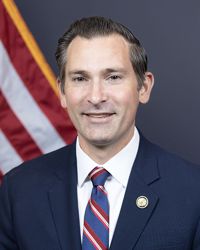
Rep. Matt Van Epps headshot

Matt Van Epps Voting Record & Scorecard | Institute for Legislative Analysis

US Representative from TN

District: 7Republican

2025 Alignment:

N/A

District Performance
Cook PVI Rating: R+10 (Solid R)
District Estimate: 83%
District Performance: N/A (N/A)
District Based Rating:

Lifetime Ratings by Policy Category

Click Icon to Filter Table

Title

Lawmaker Position

Empowering Parents by Requiring Transparency About Foreign Adversary Funding and Influence in K-12 Schools.

The "Transparency in Reporting of Adversarial Contributions to Education Act," sponsored by Rep. Aaron Bean (R-FL), amends the Elementary and Secondary Education Act of 1965 to establish a "Parents' Right to Know About Foreign Influence" as a condition for local educational agencies receiving federal K-12 funds. The bill requires school districts to notify parents of their right to request and receive information regarding foreign influence in schools, including covered support or contributions tied to foreign governments or foreign entities of concern. It also requires disclosures related to curriculum and professional development materials connected to such foreign involvement, along with related agreements and arrangements that may shape what children are taught. According to supporters, the measure is aimed at deterring foreign adversaries, including the Chinese Communist Party, from using funding streams and school partnerships to influence classroom content and school operations without parents' knowledge.
Support is the Limited Government Position as parents, not distant bureaucracies or foreign actors, should have transparency and control over influences in their children's education.
This bill strengthens accountability and disclosure standards tied to existing federal funds without creating a new federal spending program.
Supports
Limited
Government

Stopping Chinese Communist Influence in K-12 Schools by Cutting Off Federal Funds to Confucius-Linked Programs.

The "Promoting Responsible Oversight To Eliminate Communist Teachings for Our Kids Act," also known as the "PROTECT Our Kids Act," sponsored by Rep. Kevin Hern (R-OK), prohibits federal education funds from going to any elementary or secondary school that directly or indirectly receives support from the Government of the People's Republic of China. The bill applies to schools that have partnerships with Chinese government-funded cultural or language institutes, including Confucius Institutes, operate Chinese government-supported "Confucius Classrooms," or receive Chinese-linked support such as teaching materials, personnel, funds, or other resources. According to supporters, the measure is designed to prevent foreign adversaries from gaining a foothold in local classrooms through partnerships and resources that can shape curriculum, messaging, and school activities without meaningful accountability to families and taxpayers.
Support is the Limited Government Position as federal education dollars should not subsidize arrangements that invite foreign government influence into local schools.
Cutting off funding for CCP-linked programs strengthens accountability and protects parents and communities without creating a new federal spending program.
Supports
Limited
Government

Restoring Regulatory Certainty for Domestic Mining Projects to Strengthen America's Critical Minerals Supply Chain

The bill H.R. 1366, the Mining Regulatory Clarity Act of 2025, introduced by Rep. Mark Amodei (R-NV), would clarify that mining operators may use federal lands for activities ancillary to mining (such as waste rock and tailings disposal) through mill site claims, regardless of whether the land itself contains valuable mineral deposits. The bill responds to the Ninth Circuit's 2022 Rosemont decision, which created new uncertainty for mine plans by calling into question long-standing federal practice for approving these support sites. According to supporters, the bill is needed to prevent litigation-driven permitting chaos that blocks domestic mineral production and deepens America's reliance on foreign adversaries for critical minerals.
Support is the Limited Government Position because it provides clear rules that limit bureaucratic gamesmanship and reduce permitting uncertainty that can be used to stall lawful projects.
It also helps strengthen domestic supply chains without expanding federal control over private industry.
Supports
Limited
Government

Enriching Labor Unions at the Expense of Taxpayers by Overturning President Trump's Executive Order that Limited Collective Bargaining in the Federal Workforce.

The Protect America's Workforce Act, introduced by Rep. Jared Golden (D-ME), would nullify (repeal) President Trump's executive order titled "Exclusions from Federal Labor-Management Relations Programs," issued on March 27, 2025. That executive order excluded specified executive agencies and subdivisions from the Federal Service Labor-Management Relations Statute, which governs federal collective bargaining and related labor-management rules. The bill would then reauthorize all the collective bargaining agreements that were terminated by President Trump. In practice, this legislation would reassert federal union bargaining across parts of the federal workforce that were carved out for mission and management reasons, limiting agency flexibility and strengthening a government union system that often protects bureaucracy over performance.
Oppose is the Limited Government Position because it strengthens public-sector union power and makes it harder to manage the federal workforce in the taxpayers' interest.
Congress should prioritize efficient, accountable government, not policies that entrench bureaucracy and constrain executive branch management.
Supports
Limited
Government

Expanding Investment Opportunities and Cutting SEC Red Tape through the "Increasing Investor Opportunities Act".

The "Increasing Investor Opportunities Act", sponsored by Rep. Ann Wagner (R-MO), is a capital formation package also referred to as the Incentivizing New Ventures and Economic Strength Through Capital Formation (INVEST) Act of 2025. Among its central reforms, the bill amends the Investment Company Act of 1940 to give publicly offered closed-end funds greater authority to invest in private funds and limits the ability of federal regulators and national securities exchanges to restrict the listing and trading of these funds based on those investments. The bill also includes multiple capital markets reforms intended to modernize SEC rules, streamline disclosures, and remove barriers that make it harder for entrepreneurs and small businesses to raise money. According to House Financial Services Committee leaders, the package is designed to cut red tape, empower small businesses, and expand opportunities for Americans to invest more freely.
Support is the Limited Government Position as this measure reduces unnecessary federal regulatory barriers in capital markets and expands voluntary private investment opportunities without creating new taxpayer-funded programs.
Supports
Limited
Government

Preventing New SEC Disclosure Mandates on Dual Class Share Companies.

The Rep. Keith Self (R-TX) amendment #123 to the "Incentivizing New Ventures and Economic Strength Through Capital Formation (INVEST) Act of 2025" would strike Section 307. This section would require issuers to disclose the share of ownership and voting power held by directors, director nominees, named executive officers, and 5 percent voting power holders. According to supporters of the amendment, these governance structures are already widely discussed by investors and market analysts, and the amendment is intended to help prevent another federal paperwork regime that increases legal costs, invites enforcement risk, and makes it harder for growing companies to access public markets.
Support is the Limited Government Position as this amendment helps combat regulatory overreach and protects companies from unnecessary legal expenses and compliance costs.
Against
Limited
Government

Worsening Regulatory Overreach in the Financial Sector by Expanding Mandates on Investment Advisers and Hedge Funds.

The Rep. Maxine Waters (D-CA) amendment #125 to the "Increasing Investor Opportunities Act" would require investment advisers and hedge funds to conduct know-your-customer verification and implement anti-money laundering procedures for foreign clients. While framed as a transparency and enforcement measure, it would extend a very burdensome new compliance regime into parts of the private investment market that are not currently regulated in this manner. Essentially, much more routine investing activity would now be pushed into a federal monitoring and paperwork structure that is especially costly for smaller firms.
Oppose is the Limited Government Position as this amendment further grows federal regulatory overreach.
These new compliance mandates imposed on private markets increase surveillance-style requirements and impose bureaucratic costs without clear limits.
Supports
Limited
Government

Imposing New Price Controls and Government Enforcement Powers over Investment Fees in the Financial Sector.

The Rep. Maxine Waters (D-CA) amendment #127 to the "Incentivizing New Ventures and Economic Strength Through Capital Formation (INVEST) Act of 2025" would define and prohibit fees charged by SEC-registered individuals and entities that are not "clearly disclosed" or "proportional" to the services provided. In effect, the measure would grow federal government power into price setting and policing subjective standards for what private-sector financial services may charge, beyond existing disclosure rules.
Oppose is the Limited Government Position as this amendment grows the regulatory power of unaccountable federal bureaucrats and invites de facto price-setting by empowering the SEC to police "proportionality" in private-market fees.
Supports
Limited
Government

Strengthening Grid Reliability and Reining in Federal Regulatory Overreach through the "Reliable Power Act".

The "Reliable Power Act" sponsored by Rep. Troy Balderson (R-OH) directs the North American Electric Reliability Corporation to conduct annual long-term assessments of reliability in the bulk-power system and establishes a process for the Federal Energy Regulatory Commission (FERC) to review certain federal regulations before they are finalized when reliability risks are identified. According to supporters, the measure is largely in response to rules imposed by the Biden Administration that blocked fossil fuel development, which reduced baseload generation and destabilized the electric grid – leading to blackouts and higher power costs.
Support is the Limited Government Position as this measure creates an important check on unelected federal regulators whose rules can effectively force energy policy by driving generation offline and raising costs on families and employers.
Congress should not allow agencies to impose sweeping mandates that jeopardize reliable, affordable power without accountability, transparency, and a clear consideration of real-world reliability impacts.
Supports
Limited
Government

Protecting Ratepayers and Preventing Blackouts by Requiring State Utility Plans to Prioritize Reliable Power Generation.

H.R. 3628, the "State Planning for Reliability and Affordability Act," sponsored by Rep. Gabe Evans (R-CO), would amend the Public Utility Regulatory Policies Act of 1978 (PURPA) to add a federal standard for how states consider reliability in utility planning. The bill is largely designed to combat the practices of utilities and state regulators prioritizing renewable energy over safety and reliability. Specifically, the bill requires state-regulated electric utilities that use integrated resource planning to ensure adequate reliable availability of electric energy over a 10-year period by maintaining or procuring electricity from "reliable generation facilities." The bill defines reliable generation facilities as those capable of continuous generation for at least 30 days with adequate on-site fuel or contractual fuel supply, able to operate during emergency and severe weather conditions, and able to provide essential grid services such as frequency and voltage support.
Support is the Limited Government Position as this measure pushes state planning back toward basic reliability and affordability rather than politically driven mandates that can raise prices and increase blackout risk.
It helps protect ratepayers and employers from costly energy experiments by requiring planners to account for dependable power over the long term.
Supports
Limited
Government

Strengthening Electric Grid Resiliency and Driving Greater Transparency Through the "Electric Supply Chain Act".

The "Electric Supply Chain Act," sponsored by Rep. Robert Latta (R-OH), directs the Department of Energy to conduct recurring assessments and submit reports to Congress on the supply chain for electric generation and transmission. Most notably, the bill requires DOE to evaluate trends, risks, and vulnerabilities affecting the availability of key grid components and materials. The measure is intended to help policymakers and the public understand whether the hardware, materials, and manufacturing capacity needed to keep the lights on are actually available before utilities and regulators push large scale changes to the generation mix. This is especially important as utilities and environmental activists accelerate renewable buildouts and electrification mandates that can stress the grid if dependable backup power, transmission upgrades, and critical components are not ready.
Support is the Limited Government Position because Congress has a duty to ensure grid reliability and protect taxpayers and ratepayers by demanding basic accountability and transparency about infrastructure risks.
The measure also helps combat the radical renewable energy agendas of woke utility companies and environmental activists that threaten the American energy supply.
Supports
Limited
Government

Streamlining Pipeline Permitting by Ending Interagency Gridlock and Preventing States from Vetoing Interstate Energy Projects

The Improving Interagency Coordination for Pipeline Reviews Act, introduced by Rep. Richard Hudson (R-NC), would speed up federal permitting for interstate natural gas pipelines and certain LNG projects by making the Federal Energy Regulatory Commission (FERC) the sole lead agency for coordinating National Environmental Policy Act (NEPA) reviews and related federal authorizations. The bill would require participating federal and state agencies to follow FERC's schedule and conduct reviews concurrently, and it directs agencies to consider appropriate environmental data gathered by aerial or other remote means. It would also set limits on how long the process can drag on after the NEPA review is complete and would shift certain Clean Water Act review responsibilities into a coordinated framework rather than allowing separate, open-ended processes to stall projects. According to supporters, these reforms are needed to cut red tape, stop permit gamesmanship, and move critical energy infrastructure forward so families and employers are not hit with higher costs and avoidable reliability risks.
Support is the Limited Government Position because it reins in bureaucratic delays that let agencies and special interests block lawful projects through endless process.
A clearer, faster permitting framework strengthens accountability and protects affordable, reliable energy.
Supports
Limited
Government

Restoring Limits on Federal Water Regulation and Speeding Permits for Critical Infrastructure through the "PERMIT Act".

The "Promoting Efficient Review for Modern Infrastructure Today (PERMIT) Act" sponsored by Rep. Mike Collins (R-GA) makes multiple reforms to the Federal Water Pollution Control Act (Clean Water Act). Most notably, the bill narrows the definition of "navigable waters" to exclude certain features such as groundwater, prior converted cropland, and ephemeral features that flow only in direct response to precipitation. The bill also reforms water quality criteria development by requiring new or revised criteria to be issued through rulemaking and makes changes to state permitting processes and related judicial review timelines to provide more certainty for regulated entities. In combination, these reforms are intended to reduce regulatory ambiguity and delays that can hold up permits for construction, energy, agriculture, and other infrastructure projects.
Support is the Limited Government Position as this measure reins in federal overreach under the Clean Water Act and helps prevent agencies from using unclear standards and slow-walking to block lawful economic activity.
Clearer boundaries and more predictable permitting protect property rights and reduce compliance costs that ultimately get passed on to families and consumers.
Supports
Limited
Government

Strengthening Border Security by Requiring Stronger Screening of Unaccompanied Illegal Immigrant Minors Through the "Kayla Hamilton Act".

The "Kayla Hamilton Act" sponsored by Rep. Russell Fry (R-SC) would require the Department of Health and Human Services (HHS) to consider additional public-safety information when making placement decisions for unaccompanied alien children in federal custody. The bill also requires HHS to place certain minors in a secure facility when there are gang-related indicators, and it bars HHS from placing a child with a sponsor who is unlawfully present in the United States while requiring expanded household background information to be collected and shared with the Department of Homeland Security.
Support is the Limited Government Position as this reform helps stop the federal government from facilitating dangerous placements that can enable trafficking, gang activity, and criminal harm.
The government's most basic duty is to protect public safety and uphold the rule of law, and Washington should not be using taxpayer resources to move unlawfully present individuals through a system that endangers children and communities.
Supports
Limited
Government

Streamlining NEPA Permitting to Stop Bureaucratic Delays that Block Energy, Mining, and Infrastructure Projects

The SPEED Act, introduced by Rep. Bruce Westerman (R-AR), would amend the National Environmental Policy Act (NEPA) to make federal environmental reviews more efficient and predictable. The legislation clarifies key definitions and standards, limits agencies' ability to expand reviews beyond what is relevant, and aims to reduce litigation-driven delays that can keep projects stuck for years. According to supporters, tightening timelines and narrowing open-ended procedural hurdles, the bill seeks to prevent NEPA from being used as a tool to centrally plan the economy by stopping lawful development through paperwork.
Support is the Limited Government Position because it reins in federal process abuse that empowers unelected bureaucrats and activists to obstruct lawful projects indefinitely.
A clearer, faster permitting framework protects economic freedom while keeping agencies accountable to defined rules.
Supports
Limited
Government

Combatting Frivolous Litigation in the Federal Permitting Process by Clarifying the Term "Direct Harm".

The Andrew Clyde (R-GA) amendment #138 to the "SPEED Act" would clarify that "direct harm" does not include emotional, aesthetic, or recreational interests unless accompanied by a material physical or property harm. By narrowing what qualifies as "direct harm," this measure helps curb frivolous litigation deployed by activist groups that can delay lawful projects through years of process and paperwork, especially when the claimed injury is not tied to real-world physical impacts or property damage.
Support is the Limited Government Position as this measure helps curb frivolous litigation while making environmental review more predictable and disciplined, thus supporting faster private investment in infrastructure and energy production.
Supports
Limited
Government

Limiting NEPA Reviews so Federal Agencies Cannot Stall Permits by Analyzing Impacts They Have No Authority to Regulate

The Rep. Chip Roy (R-TX) amendment #139 to the SPEED Act would revise the bill's scope-of-review clause to clarify that National Environmental Policy Act (NEPA) review applies only to environmental impacts that the lead agency or cooperating federal agencies have the legal authority to regulate. In practice, this change would narrow the universe of issues that can be forced into federal environmental reviews, keeping agencies focused on their actual statutory responsibilities. Without clear limits, NEPA can be used to justify endless studies, invite litigation, and delay energy and infrastructure projects even when the alleged "impacts" fall outside an agency's legal lane. According to supporters, this amendment helps stop bureaucratic mission creep and keeps permitting from becoming a backdoor weapon to block projects through paperwork and lawsuits.
Support is the Limited Government Position as it reins in regulatory overreach and helps prevent open-ended NEPA processes from being used to obstruct lawful development.
It strengthens accountability by tying review back to an agency's actual legal authority.
Supports
Limited
Government

Narrowing NEPA's "Significant Impact" Standard to Stop Endless Environmental Impact Statements and Speed Permitting

The Rep. Chip Roy (R-TX) amendment #140 to the SPEED Act would further define what counts as a "significant effect on the quality of the human environment" for purposes of triggering an Environmental Impact Statement (EIS) under the National Environmental Policy Act (NEPA). The amendment would define a "significant effect" as a proximate and concrete harm directly caused by the proposed agency action that materially impairs human health or property. It would also revise NEPA's EIS trigger so an EIS is required only when there is at least one such "significant effect," rather than the broader and more easily manipulated "significantly affecting" standard. According to supporters, tightening these definitions would reduce litigation gamesmanship and prevent agencies from dragging projects into years of paperwork over speculative or tangential claims.
Support is the Limited Government Position because it curbs bureaucratic discretion that enables open-ended permitting delays and keeps NEPA focused on concrete harms within a clear legal standard.
It also helps restore predictable timelines so lawful projects are not blocked by endless process.
Supports
Limited
Government

Ensuring Taxpayers Aren't Forced to Cover Gender Transition Procedures for Minors through the Medicaid Welfare System.

The "Do No Harm in Medicaid Act" sponsored by Rep. Dan Crenshaw (R-TX) would amend Title XIX of the Social Security Act to prohibit federal Medicaid payments for specified gender transition procedures for individuals under the age of 18. The bill's prohibition covers surgeries and related procedures intended to alter a minor's body to no longer correspond to biological sex, as well as the administering or prescribing of puberty blockers and cross-sex hormones for that purpose.
Support is the Limited Government Position as taxpayers should not be forced to finance these procedures through a federal entitlement program.
Placing a guardrail on Medicaid funding also helps preserve scarce resources and prevent federal spending from becoming a backdoor way to impose contested social policy nationwide.
Supports
Limited
Government

Expanding Affordable Health Coverage Options Beyond Obamacare by Empowering Workers and Small Businesses with More Choice

The Lower Health Care Premiums for All Americans Act, introduced by Rep. Mariannette Miller-Meeks (R-IA), would make several changes intended to lower health insurance costs and expand coverage options. The bill would expand access to Association Health Plans, codify and strengthen employer-defined contribution arrangements for workers to buy coverage (called CHOICE arrangements), and clarify that stop-loss insurance is not health insurance coverage so more small and mid-sized employers can self-insure. It also includes new transparency requirements for pharmacy benefit managers (PBMs) and appropriates cost-sharing reduction payments beginning in 2027 to help stabilize the individual market. According to supporters, these reforms move away from one-size-fits-all Obamacare mandates by expanding private coverage options, reducing hidden costs in the drug supply chain, and lowering premiums for families and employers who have been priced out of affordable plans.
Support is the Limited Government Position because it relies on competition and consumer choice, not new federal mandates, to reduce health costs and expand access to coverage.
It also increases transparency so middlemen and bureaucratic rules cannot quietly drive up prices.
Supports
Limited
Government

Restoring State Authority Over Gray Wolf Management Through the "Pet and Livestock Protection Act".

The "Pet and Livestock Protection Act of 2025" sponsored by Rep. Lauren Boebert (R-CO) would require the Secretary of the Interior to reissue regulations removing the gray wolf from the list of endangered and threatened wildlife under the Endangered Species Act of 1973. Specifically, the bill directs Interior to reissue the final rule published on November 3, 2020 titled "Endangered and Threatened Wildlife and Plants; Removing the Gray Wolf (Canis lupus) From the List of Endangered and Threatened Wildlife". While originally enacted in 2020, the U.S. District Court for the Northern District of California vacated the rule on February 10, 2022. As a result, the gray wolf reattained the protection status it had prior to the rule's promulgation. This bill will ensure that the wolf is finally removed from the list by preventing any additional judicial review.
Support is the Limited Government Position as wildlife management is better handled by states and local communities than by distant federal agencies and courts.
This bill helps restore federalism and accountability by returning decisions about gray wolf management to elected state officials and professional state wildlife agencies, rather than allowing national litigation campaigns to dictate policy. It also provides greater regulatory certainty for ranchers, farmers, and rural communities who often face the costs of federal wildlife policy without meaningful local input.
Supports
Limited
Government

Advancing a Bill to Overturn President Trump's Executive Order that Protects Taxpayers from Union Bosses and Collective Bargaining.

This resolution, sponsored by Rep. Jared Golden (D-ME), provides for consideration of H.R. 2550 to nullify President Trump's Executive Order titled "Exclusions from Federal Labor-Management Relations Programs". President Trump's order ended collective bargaining at approximately 30 federal agencies that involve the issues of national defense, border security, foreign relations, energy security, pandemic preparedness, cybersecurity, economic defense, and public safety. This bill restores the collective bargaining agreements that were in place as of March 26, 2025.
Oppose is the Limited Government Position as this measure attempts to restore the entrenched interests of union bosses at the expense of taxpayers and effective public administration.
Congress should be reducing bureaucratic obstacles and special-interest leverage inside the federal workforce, not locking agencies into rigid labor rules that unnecessarily hike taxpayer costs and hinder accountability and mission performance.
Supports
Limited
Government

Fueling Out-of-Control Spending through a $900+ Billion NDAA Funding Ukraine, Gender Transitions and Billions Above the Amount Requested by President Trump.

The "National Defense Authorization Act for Fiscal Year 2026," sponsored by Sen. John Cornyn (R-TX), authorizes approximately $901 billion in defense spending, which, when combined with supplemental bills, pushes total military spending over $1 trillion for the first time in U.S. history. The bill spends more than $8 billion more than requested by President Trump and authorizes and additional $400 million for Ukraine. The bill does not include a key provision promised to conservatives that bans central bank digital currencies, and includes a key provision sought by progressives that allows the use of taxpayer funds to provide gender transitions. It is noteworthy that the Pentagon has now failed its eight consecutive audit. Note: Due to opposition by Democratic for a multitude of reasons, this analysis applies to only the Republican party.
Oppose is the Limited Government Position as taxpayers can't continue to pour hundreds of billions of dollars into a broken pitcher.
Major reforms must be made within the department of defense to cut waste, fraud and abuse and ensure our armed forces have the resources they need to protect our nation.
Against
Limited
Government

Reauthorizing a Federal Youth Awards Program Better Left to Private Civic Organizations Through the "Congressional Award Program Reauthorization Act".

The Congressional Award Program Reauthorization Act, introduced by Sen. Cynthia Lummis (R-WY), would reauthorize the Congressional Award Act by extending the program's termination date through October 1, 2028. The program is administered through a congressionally established board and recognizes youth who complete goals in areas such as service, personal development, and fitness. Opponents note that while encouraging civic engagement is worthwhile, Congress should not be in the business of running or perpetuating national award programs that private civic, faith-based, and community organizations are fully capable of providing. Reauthorizing this program reinforces the idea that Washington should sponsor and oversee activities that are better led locally and voluntarily.
Oppose is the Limited Government Position because this is not a core federal responsibility and it expands the size and scope of government into an area best handled by private organizations and local communities.
Civic recognition and youth development should come from families, churches, schools, and community groups, not federal programs.
Against
Limited
Government

Condemning Socialism and Defending Individual Liberty, Private Property, and Free Enterprise.

The "Denouncing the horrors of socialism" concurrent resolution, sponsored by Rep. Maria Elvira Salazar (R-FL), expresses the sense of Congress that socialism should be denounced in all its forms and that Congress opposes the implementation of socialist policies in the United States. The resolution lays out a series of findings describing the historic record of socialist and communist regimes, including famine, repression, and mass death, and it highlights how centralized economic control often collapses into authoritarian rule. It also underscores America's founding principles by citing the importance of property rights, personal liberty, and the freedom to enjoy the fruits of one's labor.
Support is the Limited Government Position as socialism requires centralized power that undermines personal freedom, private property, and voluntary exchange – the very antithesis of limited government.
Neutral

Overturning a Biden Bureau of Land Management Plan that Prevents Coal Leasing on 1.7 Million Acres of Federal Land

This resolution introduced by Rep. Troy Downing (R-MT) utilizes the Congressional Review Act (CRA) to nullify a Biden administration rule submitted by the Bureau of Land Management (BLM) relating to the "Miles City Field Office Record of Decision and Approved Resource Management Plan Amendment." Resource management plans guide how BLM-administered lands are managed, including whether and where coal leasing may be considered. The Miles City plan amendment made 1.7 million acres unavailable for future coal leasing. According to supporters, this kind of federal land "lock up" undermines local economies and energy affordability by putting Washington planners ahead of workers, communities, and responsible development.
Support is the Limited Government Position as Congress must rein in unelected agencies that use sweeping land-use decisions to restrict lawful resource development and centralize control over local economies.
This resolution helps restore accountability and protects access to America's domestic energy resources.
Neutral

Overturning a Biden Bureau of Land Management Rule that Restricts Oil, Gas, and Coal Development on Federal Lands in North Dakota.

This resolution introduced by Rep. Julie Fedorchak (R-ND) utilizes the Congressional Review Act (CRA) to nullify a Biden administration rule submitted by the Bureau of Land Management (BLM) relating to the "North Dakota Field Office Record of Decision and Approved Resource Management Plan." Resource management plans guide how BLM-administered lands are managed, including where energy development is allowed or restricted. Biden's North Dakota plan modified the prior 1988 plan by limiting oil and gas development in certain areas and restricting new coal leasing to areas within four miles of existing mines. According to supporters, the rule represents a federal land-use "lock up" that would limit access to domestic resources, threaten jobs and state revenues, and increase energy costs for families and businesses.
Support is the Limited Government Position as Congress must rein-in unelected bureaucrats who use federal land plans to restrict lawful energy development and centrally plan the economy.
This resolution helps protect energy affordability and strengthens American energy independence.
Neutral

Overturning a Biden Bureau of Land Management Plan that Blocks Mineral Extraction on Millions of Acres in Alaska's Central Yukon Region.

This resolution introduced by Rep. Nicholas Begich (R-AK) utilizes the Congressional Review Act (CRA) to nullify a Biden administration rule submitted by the Bureau of Land Management (BLM) relating to the "Central Yukon Record of Decision and Approved Resource Management Plan." Resource management plans guide how BLM-administered lands are managed, including where uses such as responsible development, access, and conservation rules will apply. The Central Yukon plan was issued on November 12, 2024, and, among other changes, designates 21 areas as "critical environmental concern" and locks up roughly 3.6 million acres. According to supporters, these designations and related restrictions amount to a federal land "lock up" that can limit multiple-use access, hinder economic opportunity, and place Washington bureaucrats in charge of decisions that should be made closer to the people most affected.
Support is the Limited Government Position as Congress must rein in unelected federal agencies that use sweeping land-use plans to restrict lawful activity and centralize control over local economies.
This resolution helps restore accountability and protects access to America's vast public-land resources.
Neutral

Denying Congress the Ability to Fulfil its Constitutional Duty of Evaluating the Imposition of a 40% Tariff (Tax) on Imports from Brazil.

This motion tables (defeats) a discharge petition sponsored by Rep. Gregory Meeks (D-NY) that would allow Congress to debate and vote on the imposition of an additional 40% tariff on imports from Brazil. Specifically, the discharge petition would terminate the national emergency declared by President Trump on July 30, 2025, in Executive Order 14323, pursuant to the National Emergencies Act. President Trump's EO imposed an additional 40% tariff on Brazilian goods, which was on top of a 10% tariff the President imposed on Brazilian goods in April of 2025. Notably, on February 20, 2026, the U.S. Supreme Court ruled in Learning Resources v. Trump that these emergency-tariff actions are unconstitutional.
Oppose is the Limited Government Position as the U.
S. Constitution provides Congress – not the Executive Branch – the "power of the purse" to impose taxes and appropriate funds under Article 1, Section 9. Blocking the petition obstructs the ability of duly elected officials to fulfil their constitutional duty to manage the level of taxation (tariffs) being imposed on Americans.
Neutral

Restoring American Energy and Jobs by Reversing the Biden-Era Plan that Shut Down Future Federal Coal Leasing.

This resolution, sponsored by Rep. Harriet Hageman (R-WY), uses the Congressional Review Act (CRA) to nullify a former Biden administration rule implemented at the Bureau of Land Management titled "Buffalo Field Office Record of Decision and Approved Resource Management Plan Amendment" on November 20, 2024. The Biden-era rule made no federal coal available for future leasing in the Buffalo Field Office area, effectively ending future federal coal leasing in Wyoming's Powder River Basin. By disapproving the 2024 rule, Congress would undo those restrictions and revert management back to the 2020 Trump-era plan, thus expanding the domestic energy supply.
Support is the Limited Government Position as the Biden-era decision locked up domestic resources and unnecessarily raised consumer costs.
Nullifying this rule helps unleash American energy dominance and increases taxpayer revenues.
Neutral

Repealing the Biden-Era ANWR Coastal Plain Leasing Restrictions to Restore Domestic Energy Production and Lower Costs.

This resolution, sponsored by Rep. Nicholas Begich (R-AK), uses the Congressional Review Act (CRA) to nullify a former Biden administration rule implemented at the Bureau of Land Management titled "Coastal Plain Oil and Gas Leasing Program Record of Decision" on December 9, 2024. The Biden-era rule changed how oil and gas leasing can occur in the Coastal Plain program area within the Arctic National Wildlife Refuge. The Biden-era decision replaced the 2020 record of decision under the first Trump administration that had made the full 1.6 million acre program area available for leasing. The Biden-era decision made only 400,000 acres available for leasing (the statutory minimum) placing roughly 1.2 million acres off-limits.
Support is the Limited Government Position as the Biden-era decision locked up domestic resources and unnecessarily raised consumer costs.
Nullifying this rule helps unleash American energy dominance and increases taxpayer revenues.
Neutral

Repealing a Biden Rule at the Department of Energy that Effectively Bans Popular Natural Gas Tankless Water Heaters

This joint resolution, introduced by Rep. Gary Palmer (R-AL), would utilize the Congressional Review Act (CRA) to repeal a Biden Department of Energy rule titled "Energy Conservation Program: Energy Conservation Standards for Consumer Gas-fired Instantaneous Water Heaters" and published on December 26, 2024. The underlying rule set new federal efficiency standards for gas-fired instantaneous (tankless) water heaters, including widely used non-condensing models. According to supporters, the rule was designed in a way that effectively pushes non-condensing units out of the market and forces homeowners and small businesses into more expensive options and complicated retrofits. They argue this is part of a broader regulatory playbook where Washington uses appliance rules to squeeze out natural gas products, shrinking consumer choice while raising costs for everyday replacements and home repairs.
Support is the Limited Government Position as Congress should stop unelected regulators from using appliance standards as a backdoor ban that raises costs and limits consumer choice.
Repealing this rule helps prevent federal bureaucrats from dictating what energy options Americans are allowed to use in their homes and businesses.
Neutral

Blocking Biden's Costly Walk-In Cooler and Freezer Energy Standards Mandate by Overturning a Department of Energy Rule

This joint resolution, introduced by Rep. Stephanie Bice (R-OK), would utilize the Congressional Review Act (CRA) to repeal a Biden Department of Energy rule titled "Energy Conservation Program: Energy Conservation Standards for Walk-In Coolers and Walk-In Freezers" and published on December 23, 2024. The underlying rule establishes new federal energy conservation standards for walk-in coolers and walk-in freezers commonly used by grocery stores, restaurants, warehouses, and other commercial facilities. According to supporters, the repeal of the Biden rule would stop Washington from using one-size-fits-all efficiency mandates to dictate the design and purchase of essential refrigeration equipment. They argue these mandates drive up compliance and replacement costs, squeeze small businesses, and ultimately raise prices for consumers as businesses are forced to absorb yet another layer of federal micromanagement.
Support is the Limited Government Position as Congress should rein in costly, top-down energy mandates imposed by unelected regulators.
Repealing this rule helps protect small businesses and consumers from bureaucratic micromanagement that drives up prices.
Neutral

Repealing a Biden IRS Rule that Grows Financial Surveillance Through Expanded Crypto "Broker" Reporting

This joint resolution, introduced by Rep. Mike Carey (R-OH), would utilize the Congressional Review Act (CRA) to repeal an Internal Revenue Service rule titled "Gross Proceeds Reporting by Brokers That Regularly Provide Services Effectuating Digital Asset Sales" and published on December 30, 2024. The underlying rule expands who the IRS treats as a "broker" for digital asset sales and would require covered entities to report gross proceeds and send new tax statements tied to crypto transactions. According to supporters, repealing the Biden rule would stop Washington from rewriting the definition of "broker" to sweep in parts of the digital asset economy that do not operate like traditional brokerages, including technology platforms that cannot realistically collect the personal data the rule demands. They argue the Biden rule is less about honest tax administration and more about building a new reporting regime that turns financial innovation into a compliance trap, pushing lawful activity overseas while increasing the federal government's ability to monitor Americans' economic lives.
Support is the Limited Government Position as Congress should stop the IRS from expanding surveillance-style reporting mandates that go beyond clear statutory authority and punish emerging technologies.
Repealing this rule helps protect financial privacy and innovation from bureaucratic overreach.
Neutral

Repealing Biden's EPA Methane Fee Rule That Grows Federal Penalties and Drives Up Domestic Energy Costs

This joint resolution, introduced by Rep. August Pfluger (R-TX), would utilize the Congressional Review Act (CRA) to repeal a Biden Environmental Protection Agency rule titled "Waste Emissions Charge for Petroleum and Natural Gas Systems: Procedures for Facilitating Compliance, Including Netting and Exemptions" and published on November 18, 2024. The underlying rule sets the compliance framework for the federal "waste emissions charge," including how covered facilities calculate emissions, use "netting," and qualify for exemptions, with EPA positioned to assess penalties when standards are not met. According to supporters, this rule is the enforcement engine for a Washington created methane tax that punishes American oil and gas production, increases compliance burdens across the supply chain, and ultimately raises energy prices for families and job creators. They argue it hands regulators another tool to pressure domestic producers while making the U.S. less competitive and more dependent on foreign energy.
Support is the Limited Government Position as Congress should stop the federal government from using regulatory schemes and penalty regimes to tax and micromanage domestic energy production.
Repealing this rule helps block bureaucratic enforcement that would raise costs and expand Washington's control over the energy economy.
Neutral

Repealing a Biden Rule at the Department of Energy that Imposed Unnecessary Labeling and Certification Mandates on Consumer Appliances.

This joint resolution, introduced by Rep. Andrew Clyde (R-GA), would utilize the Congressional Review Act (CRA) to repeal a Biden Department of Energy rule titled "Energy Conservation Program for Appliance Standards: Certification Requirements, Labeling Requirements, and Enforcement Provisions for Certain Consumer Products and Commercial Equipment" and published on October 9, 2024. The underlying rule imposed new federal paperwork, labeling, and reporting requirements and expanded enforcement provisions across a wide range of everyday appliances and equipment. It covered roughly 20 product categories, reaching into items like dishwashers, clothes washers, air conditioners and heat pumps, battery chargers, light bulbs, and other common products used by families and employers. According to supporters, by nullifying the rule, the resolution would stop Washington from turning routine appliances into a compliance headache where manufacturers face more audits, more forms, and more threats of enforcement, and then pass those costs along to everyone at the checkout counter.
Support is the Limited Government Position as Congress should rein-in unelected regulators that keep adding paperwork mandates and enforcement traps that raise prices and restrict consumer choice.
Repealing this rule helps protect businesses from another round of bureaucratic micromanagement.
Neutral

Overturning a Draconian Biden Rule that Banned Off-Road Vehicle Usage on Miles of Trails at Glen Canyon National Park

This joint resolution, introduced by Rep. Mike Kennedy (R-UT), would utilize the Congressional Review Act (CRA) to repeal a Biden National Park Service rule titled "Glen Canyon National Recreation Area: Motor Vehicles" and published on January 13, 2025. The underlying rule revised special regulations for Glen Canyon to update and restrict where motor vehicles may be used on roads and off-road on designated routes and areas. According to supporters, the rule empowers federal land managers to tighten access through regulatory changes that can limit recreation, local use, and tourism-dependent communities while expanding Washington's control over how Americans can use public lands. They argue Congress should stop this kind of federal overreach and keep access decisions from being driven by bureaucracy and pressure from activist groups rather than transparent, accountable policymaking.
Support is the Limited Government Position as Congress should rein in agencies that use regulation to micromanage public-land access without accountability.
Repealing this rule helps prevent federal managers from steadily restricting lawful use of public lands through top-down mandates.
Neutral

Repealing a Biden EPA Rule that Imposed Costly New Emissions Mandates on U.S. Tire Manufactures.

This joint resolution, introduced by Rep. Morgan Griffith (R-VA), would utilize the Congressional Review Act (CRA) to repeal a Biden Environmental Protection Agency rule titled "National Emission Standards for Hazardous Air Pollutants: Rubber Tire Manufacturing" and published on November 29, 2024. The underlying rule imposed new federal emissions standards on parts of the rubber tire manufacturing process and expanded EPA's regulatory reach over domestic tire plants. According to supporters, repealing the Biden rule would stop Washington from piling more red tape and expensive compliance demands onto an industry that supports thousands of American jobs and produces an essential product used by nearly every household and business. They argue the mandate would raise production costs, squeeze smaller facilities the hardest, and push more manufacturing out of the United States.
Support is the Limited Government Position as Congress should block unaccountable bureaucrats from imposing costly mandates that punish domestic manufacturing through backdoor rulemaking.
Repealing this EPA action helps protect jobs, affordability, and U.S. competitiveness by reining in regulatory overreach.
Neutral

Blocking Biden's Costly Commercial Refrigeration Energy Standards Mandate by Overturning a Department of Energy Rule

This joint resolution, introduced by Rep. Craig Goldman (R-TX), would utilize the Congressional Review Act (CRA) to repeal a Biden Department of Energy rule titled "Energy Conservation Program: Energy Conservation Standards for Commercial Refrigerators, Freezers, and Refrigerator-Freezers" and published on January 21, 2025. The underlying rule establishes new federal energy conservation standards for common commercial refrigeration equipment used by grocery stores, restaurants, convenience stores, and other businesses. According to supporters, the repeal of the Biden rule would stop Washington from using one-size-fits-all efficiency mandates to dictate what equipment businesses can buy and how much it must cost to comply. These types of federal standards often function as a hidden tax on everyday commerce by forcing expensive redesigns, accelerating replacement cycles, and raising operating and purchase costs that ultimately get passed on to consumers.
Support is the Limited Government Position as Congress should rein-in costly, top-down energy mandates imposed by unelected regulators.
Repealing this rule helps protect small businesses and consumers from bureaucratic micromanagement that drives up prices.
Neutral

Reversing a Biden Endangered Listing to Protect California Water Supplies and Stop Federal Overreach

This joint resolution, introduced by the late Rep. Doug LaMalfa (R-CA), would utilize the Congressional Review Act (CRA) to repeal a Biden U.S. Fish and Wildlife Service rule titled "Endangered and Threatened Wildlife and Plants; Endangered Species Status for the San Francisco Bay-Delta Distinct Population Segment of the Longfin Smelt" and published on July 30, 2024. The underlying rule lists the San Francisco Bay-Delta distinct population segment of the longfin smelt as endangered under the Endangered Species Act. According to opponents of the Biden rule, the listing empowers federal regulators and environmental litigators to tighten water-use restrictions in the Bay-Delta and jeopardize water deliveries that families, farmers, and communities rely on, even as California already faces chronic water-management and infrastructure challenges.
Support is the Limited Government Position as Congress should rein-in agency overreach that uses the Endangered Species Act to drive sweeping water policy without accountability.
Repealing this rule helps prevent Washington from using an endangered listing to restrict livelihoods and centralize control over essential resources.
Neutral

Blocking a De Facto National Zero Emission Truck Mandate by Overturning the Biden EPA's California Advanced Clean Trucks Waiver.

This joint resolution, introduced by Rep. John James (R-MI), would utilize the Congressional Review Act (CRA) to repeal a Biden Environmental Protection Agency notice titled "California State Motor Vehicle and Engine Pollution Control Standards; Heavy-Duty Vehicle and Engine Emission Warranty and Maintenance Provisions; Advanced Clean Trucks; Zero Emission Airport Shuttle; Zero-Emission Power Train Certification; Waiver of Preemption; Notice of Decision" and published on April 6, 2023. The underlying action granted California a waiver to enforce regulations that drive heavy-duty vehicles and equipment toward government-directed "zero-emission" requirements and impose stricter warranty and maintenance mandates on diesel engines. By allowing one state to set the pace for manufacturers and other states, this waiver functions as a backdoor way to reshape the national truck market without Congress voting on the costs. Supporters argue the waiver raises prices for truckers and small businesses, threatens supply chain reliability, and hands regulators sweeping leverage to force an energy transition that working Americans did not choose.
Support is the Limited Government Position as Congress should stop executive-branch maneuvers that let California and federal bureaucrats impose nationwide mandates through waivers rather than legislation.
Repealing this action protects consumer choice and prevents regulators from centralizing control over the transportation economy.
Neutral

Blocking California's Backdoor National EV Mandate by Overturning the Biden EPA's Advanced Clean Cars II Waiver

This joint resolution, introduced by Rep. John Joyce (R-PA), would utilize the Congressional Review Act (CRA) to repeal a Biden Environmental Protection Agency action granting California a waiver of federal preemption for its "Advanced Clean Cars II" program, published on December 18, 2024. By nullifying the waiver, the resolution would prevent California from enforcing emissions standards that effectively function as an electric vehicle sales mandate and that pressure automakers and other states to conform to California's regulatory model. The waiver approach turns a single state's preferences into a de facto national policy without a direct vote of Congress, raising costs for families, limiting consumer choice, and empowering regulators to reshape the auto market through executive action rather than legislation.
Support is the Limited Government Position as Congress should rein-in executive branch overreach that allows federal agencies and one state government to impose sweeping mandates nationwide.
Blocking this waiver restores accountability and protects consumers from regulatory coercion disguised as environmental policy.
Neutral

Blocking California's Draconian Heavy-Duty Diesel Emissions Mandate by Overturning a Biden EPA Action

This joint resolution, introduced by Rep. Jay Obernolte (R-CA), would utilize the Congressional Review Act (CRA) to repeal a Biden Environmental Protection Agency action titled "California State Motor Vehicle and Engine and Nonroad Engine Pollution Control Standards; The 'Omnibus' Low NOX Regulation; Waiver of Preemption; Notice of Decision" and published on January 6, 2025. The underlying action granted California permission to enforce its Omnibus Low-NOx emissions program for heavy-duty engines and certain diesel equipment despite federal preemption under the Clean Air Act. By nullifying the waiver, the resolution would stop California from using federal approval to impose regulations that effectively drive a nationwide push toward stricter diesel requirements as manufacturers and other states are pressured to conform. According to supporters, the waiver is another example of Washington allowing one state to dictate energy and transportation policy for the entire country, raising vehicle and compliance costs, disrupting supply chains, and handing regulators more leverage to squeeze working families, truckers, farmers, and small businesses.
Support is the Limited Government Position as Congress should prevent the executive branch from using waivers and regulatory loopholes to impose sweeping mandates without accountability.
Repealing this action helps stop California and federal bureaucrats from turning climate policy into a backdoor national diesel mandate.
Neutral

Extending Tax Relief but Also Worsening Cronyism and Wealth Redistribution through the "One Big Beautiful Bill Act".

This vote on the One Big Beautiful Bill Act, introduced by Rep. Jodey Arrington (R-TX), is on the reconciliation package whereby the House concured with the Senate amendments. From a limited government perspective, the bill contained positive provisions that extended the lower personal and corporate tax rates, as well as key estate and business tax provisions originally enacted within the 2017 Tax Cuts and Jobs Act that were set to expire. However, the bill also contained negative provisions that worsened cronyism and wealth redistribution such as no tax on tips and overtime, a larger child tax credit, a car-loan interest deduction, and "Trump Accounts" seeded with a $1,000 federal contribution. With a razor-thin Republican majority, the bill was deemed a necessary evil to lock in the core tax relief and prevent a major tax shock, even as it expanded the practice of using the tax code to pick winners and losers and invited more lobbying and cronyism into federal policy.
Support is the Limited Government Position because, despite serious flaws, the bill prevents a large scheduled tax increase by extending broad-based tax relief and protecting taxpayers from a punitive expansion of Washington's reach into private earnings.
Neutral

Protecting Parents and Students by Blocking CCP-Linked Money and Contracts in K-12 Public Schools.

The "Combating the Lies of Authoritarians in School Systems Act," also known as the "CLASS Act," sponsored by Rep. David Joyce (R-OH), prohibits public elementary and secondary schools from accepting funds from, or entering into contracts with, the Government of the People's Republic of China, the Chinese Communist Party, or their agents as a condition of receiving federal K-12 education funds. The bill also requires schools to disclose certain funds received from, or contracts with, a foreign source to the U.S. Department of Education, including reporting foreign funding or contracts above a set threshold. According to supporters, the CLASS Act is meant to stop foreign adversaries from buying access to school programs and materials, and to ensure families and communities are not kept in the dark when outside actors seek influence in local classrooms.
Support is the Limited Government Position as taxpayers should not be forced to subsidize school arrangements that invite foreign adversary influence and propaganda into American communities.
This measure strengthens transparency and accountability tied to existing federal funds without creating a new federal spending program.
Neutral

Preventing Blackouts and Protecting Ratepayers from Costly Grid Failures through the "Guaranteeing Reliability through the Interconnection of Dispatchable Power Act".

The "Guaranteeing Reliability through the Interconnection of Dispatchable Power Act," also known as the "GRID Power Act," sponsored by Rep. Troy Balderson (R-OH), is designed to more quickly bring baseload power plant projects online. The bill helps expedite certain power projects by requiring the Federal Energy Regulatory Commission (FERC) to issue a rule revising the prioritization and approval process for interconnection requests for dispatchable power projects. The nation's interconnection queue has become inundated with proposed projects seeking to capitalize on the Biden Administration's taxpayer-funded "green" energy credits. Such projects account for 97% of all projects in the queue and now result in a median weight time of 5 years for projects. This bill will help send projects such as natural gas plants to the front of the line.
Support is the Limited Government Position as government should remove bottlenecks that block dependable energy resources from coming online.
This bill helps lower consumer power costs by helping ensure reliable and affordable energy projects are more quickly brought online.
Neutral

Exposing Foreign Influence in Higher Education by Strengthening Transparency Requirements Through the DETERRENT Act

The "Defending Education Transparency and Ending Rogue Regimes Engaging in Nefarious Transactions Act" (DETERRENT Act), introduced by Rep. Michael Baumgartner (R-WA), would amend the Higher Education Act of 1965 to strengthen disclosure requirements related to foreign gifts and contracts involving institutions of higher education. The bill updates Section 117 by lowering the reporting threshold for many foreign gifts and contracts, requiring regular reporting, and tightening rules for transactions connected to countries and entities of concern. It also aims to stop colleges and universities from quietly taking money tied to hostile foreign interests while benefiting from massive federal support and taxpayer-backed student aid. According to supporters, the measure is designed to deter foreign regimes from buying access, shaping campus policies, and gaining leverage over research, speech, and academic programs through opaque financial relationships.
Support is the Limited Government Position as taxpayers should not subsidize institutions that conceal foreign financial entanglements, especially when those ties can undermine national security and public accountability.
Strong transparency rules help prevent backdoor influence operations without creating new federal spending programs.
Neutral

Empowering Unaccountable Bureaucrats at the Department of Education to Rewrite Foreign Gift Reporting Rules by Amending the DETERRENT Act

The Rep. Bobby Scott (D-VA) amendment #3 to the DETERRENT Act, would restructure how colleges and universities report foreign gifts and contracts under Section 117 of the Higher Education Act. The amendment would shift more control to the Department of Education to redesign and administer the foreign funding reporting regime through an agency-driven process rather than through clear, fixed standards enacted by Congress. In practice, it would expand bureaucratic discretion and create new avenues for federal micromanagement of higher education institutions under the banner of "transparency."
Oppose is the Limited Government Position as the amendment expands the Department of Education's regulatory power and invites agency rulemaking that undermines congressional accountability.
Transparency should be achieved through clear statutory requirements, not by empowering bureaucrats to rewrite the rules.
Neutral

Targeting Israel by Labeling It a "Foreign Country of Concern" Through the DETERRENT Act

The Rep. Rashida Tlaib (D-MI) amendment #5 to the DETERRENT Act is largely intended to target Israel by expanding the bill's definition of a "Foreign Country of Concern." Specifically, the amendment would add any country defending a case before the International Court of Justice related to alleged violations of the Geneva Conventions or the Genocide Convention, and any country whose government includes officials with outstanding arrest warrants issued by the International Criminal Court. This change would import the judgments of international tribunals into U.S. higher education policy and allow politically charged foreign disputes to trigger sweeping federal consequences under the bill's restrictions and compliance framework. According to the sponsor, the Israeli Government is an "apartheid regime".
Oppose is the Limited Government Position as this amendment largely represents a political vendetta against Israel and politicizes the law by tying domestic education policy to international court actions and warrants.
Congress should not use higher education compliance rules to advance ideological foreign-policy targeting or to outsource U.S. decision-making to unaccountable global bodies.
Neutral

Expanding the State Department's Power to Impose a Politicized Blacklist and Attack Israel by Amending the DETERRENT Act.

The Rep. Rashida Tlaib (D-MI) amendment #6 to the DETERRENT Act is largely intended to target Israel by expanding the bill's definition of "Investment of Concern" to include any entity that the Secretary of State determines consistently facilitates and enables state violence and repression, war and occupation, or severe violations of international law and human rights. This change would inject broad, subjective foreign-policy judgments into a higher education transparency bill and give the executive branch sweeping discretion to label entities based on political and diplomatic interpretations According to the sponsor, Israel "throws international law in the shredder" and are "perpetrators of the most horrific crimes against humanity."
Oppose is the Limited Government Position as this amendment largely represents a political vendetta against Israel and creates a subjective, politicized standard that invites arbitrary enforcement.
Congress should advance transparency through clear rules, not by empowering the State Department to broaden blacklists at will.
Neutral
Loading more bills…
Logo

Let's build a platform together!

Quick Links

Resources

  • Data Sources
  • Report Correction

Contact

© 2023 - 2026 Institute for Legislative Analysis. All Rights Reserved.
Open Options