Organization Logo
HomeMapLimited Gov. RatingsDist. Gradesionicons-v5-aLegislationionicons-v5-aCategoriesionicons-v5-aReportsionicons-v5-aAbout
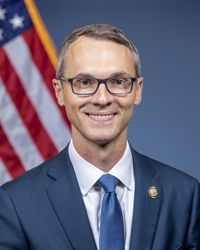
Rep. James R. Walkinshaw headshot

James R. Walkinshaw Voting Record & Scorecard | Institute for Legislative Analysis

US Representative from VA

District: 11Democrat

2025 Alignment:

N/A

District Performance
Cook PVI Rating: D+18 (Solid D)
District Estimate: 5%
District Performance: N/A (N/A)
District Based Rating:

Lifetime Ratings by Policy Category

Click Icon to Filter Table

Title

Lawmaker Position

Condemning Socialism and Defending Individual Liberty, Private Property, and Free Enterprise.

The "Denouncing the horrors of socialism" concurrent resolution, sponsored by Rep. Maria Elvira Salazar (R-FL), expresses the sense of Congress that socialism should be denounced in all its forms and that Congress opposes the implementation of socialist policies in the United States. The resolution lays out a series of findings describing the historic record of socialist and communist regimes, including famine, repression, and mass death, and it highlights how centralized economic control often collapses into authoritarian rule. It also underscores America's founding principles by citing the importance of property rights, personal liberty, and the freedom to enjoy the fruits of one's labor.
Support is the Limited Government Position as socialism requires centralized power that undermines personal freedom, private property, and voluntary exchange – the very antithesis of limited government.
Supports
Limited
Government

Denying Congress the Ability to Fulfil its Constitutional Duty of Evaluating the Imposition of a 40% Tariff (Tax) on Imports from Brazil.

This motion tables (defeats) a discharge petition sponsored by Rep. Gregory Meeks (D-NY) that would allow Congress to debate and vote on the imposition of an additional 40% tariff on imports from Brazil. Specifically, the discharge petition would terminate the national emergency declared by President Trump on July 30, 2025, in Executive Order 14323, pursuant to the National Emergencies Act. President Trump's EO imposed an additional 40% tariff on Brazilian goods, which was on top of a 10% tariff the President imposed on Brazilian goods in April of 2025. Notably, on February 20, 2026, the U.S. Supreme Court ruled in Learning Resources v. Trump that these emergency-tariff actions are unconstitutional.
Oppose is the Limited Government Position as the U.
S. Constitution provides Congress – not the Executive Branch – the "power of the purse" to impose taxes and appropriate funds under Article 1, Section 9. Blocking the petition obstructs the ability of duly elected officials to fulfil their constitutional duty to manage the level of taxation (tariffs) being imposed on Americans.
Supports
Limited
Government

Restoring American Energy and Jobs by Reversing the Biden-Era Plan that Shut Down Future Federal Coal Leasing.

This resolution, sponsored by Rep. Harriet Hageman (R-WY), uses the Congressional Review Act (CRA) to nullify a former Biden administration rule implemented at the Bureau of Land Management titled "Buffalo Field Office Record of Decision and Approved Resource Management Plan Amendment" on November 20, 2024. The Biden-era rule made no federal coal available for future leasing in the Buffalo Field Office area, effectively ending future federal coal leasing in Wyoming's Powder River Basin. By disapproving the 2024 rule, Congress would undo those restrictions and revert management back to the 2020 Trump-era plan, thus expanding the domestic energy supply.
Support is the Limited Government Position as the Biden-era decision locked up domestic resources and unnecessarily raised consumer costs.
Nullifying this rule helps unleash American energy dominance and increases taxpayer revenues.
Against
Limited
Government

Repealing the Biden-Era ANWR Coastal Plain Leasing Restrictions to Restore Domestic Energy Production and Lower Costs.

This resolution, sponsored by Rep. Nicholas Begich (R-AK), uses the Congressional Review Act (CRA) to nullify a former Biden administration rule implemented at the Bureau of Land Management titled "Coastal Plain Oil and Gas Leasing Program Record of Decision" on December 9, 2024. The Biden-era rule changed how oil and gas leasing can occur in the Coastal Plain program area within the Arctic National Wildlife Refuge. The Biden-era decision replaced the 2020 record of decision under the first Trump administration that had made the full 1.6 million acre program area available for leasing. The Biden-era decision made only 400,000 acres available for leasing (the statutory minimum) placing roughly 1.2 million acres off-limits.
Support is the Limited Government Position as the Biden-era decision locked up domestic resources and unnecessarily raised consumer costs.
Nullifying this rule helps unleash American energy dominance and increases taxpayer revenues.
Against
Limited
Government

Protecting Parents and Students by Blocking CCP-Linked Money and Contracts in K-12 Public Schools.

The "Combating the Lies of Authoritarians in School Systems Act," also known as the "CLASS Act," sponsored by Rep. David Joyce (R-OH), prohibits public elementary and secondary schools from accepting funds from, or entering into contracts with, the Government of the People's Republic of China, the Chinese Communist Party, or their agents as a condition of receiving federal K-12 education funds. The bill also requires schools to disclose certain funds received from, or contracts with, a foreign source to the U.S. Department of Education, including reporting foreign funding or contracts above a set threshold. According to supporters, the CLASS Act is meant to stop foreign adversaries from buying access to school programs and materials, and to ensure families and communities are not kept in the dark when outside actors seek influence in local classrooms.
Support is the Limited Government Position as taxpayers should not be forced to subsidize school arrangements that invite foreign adversary influence and propaganda into American communities.
This measure strengthens transparency and accountability tied to existing federal funds without creating a new federal spending program.
Against
Limited
Government

Preventing Blackouts and Protecting Ratepayers from Costly Grid Failures through the "Guaranteeing Reliability through the Interconnection of Dispatchable Power Act".

The "Guaranteeing Reliability through the Interconnection of Dispatchable Power Act," also known as the "GRID Power Act," sponsored by Rep. Troy Balderson (R-OH), is designed to more quickly bring baseload power plant projects online. The bill helps expedite certain power projects by requiring the Federal Energy Regulatory Commission (FERC) to issue a rule revising the prioritization and approval process for interconnection requests for dispatchable power projects. The nation's interconnection queue has become inundated with proposed projects seeking to capitalize on the Biden Administration's taxpayer-funded "green" energy credits. Such projects account for 97% of all projects in the queue and now result in a median weight time of 5 years for projects. This bill will help send projects such as natural gas plants to the front of the line.
Support is the Limited Government Position as government should remove bottlenecks that block dependable energy resources from coming online.
This bill helps lower consumer power costs by helping ensure reliable and affordable energy projects are more quickly brought online.
Against
Limited
Government

Empowering Parents by Requiring Transparency About Foreign Adversary Funding and Influence in K-12 Schools.

The "Transparency in Reporting of Adversarial Contributions to Education Act," sponsored by Rep. Aaron Bean (R-FL), amends the Elementary and Secondary Education Act of 1965 to establish a "Parents' Right to Know About Foreign Influence" as a condition for local educational agencies receiving federal K-12 funds. The bill requires school districts to notify parents of their right to request and receive information regarding foreign influence in schools, including covered support or contributions tied to foreign governments or foreign entities of concern. It also requires disclosures related to curriculum and professional development materials connected to such foreign involvement, along with related agreements and arrangements that may shape what children are taught. According to supporters, the measure is aimed at deterring foreign adversaries, including the Chinese Communist Party, from using funding streams and school partnerships to influence classroom content and school operations without parents' knowledge.
Support is the Limited Government Position as parents, not distant bureaucracies or foreign actors, should have transparency and control over influences in their children's education.
This bill strengthens accountability and disclosure standards tied to existing federal funds without creating a new federal spending program.
Against
Limited
Government

Stopping Chinese Communist Influence in K-12 Schools by Cutting Off Federal Funds to Confucius-Linked Programs.

The "Promoting Responsible Oversight To Eliminate Communist Teachings for Our Kids Act," also known as the "PROTECT Our Kids Act," sponsored by Rep. Kevin Hern (R-OK), prohibits federal education funds from going to any elementary or secondary school that directly or indirectly receives support from the Government of the People's Republic of China. The bill applies to schools that have partnerships with Chinese government-funded cultural or language institutes, including Confucius Institutes, operate Chinese government-supported "Confucius Classrooms," or receive Chinese-linked support such as teaching materials, personnel, funds, or other resources. According to supporters, the measure is designed to prevent foreign adversaries from gaining a foothold in local classrooms through partnerships and resources that can shape curriculum, messaging, and school activities without meaningful accountability to families and taxpayers.
Support is the Limited Government Position as federal education dollars should not subsidize arrangements that invite foreign government influence into local schools.
Cutting off funding for CCP-linked programs strengthens accountability and protects parents and communities without creating a new federal spending program.
Against
Limited
Government

Restoring Regulatory Certainty for Domestic Mining Projects to Strengthen America's Critical Minerals Supply Chain

The bill H.R. 1366, the Mining Regulatory Clarity Act of 2025, introduced by Rep. Mark Amodei (R-NV), would clarify that mining operators may use federal lands for activities ancillary to mining (such as waste rock and tailings disposal) through mill site claims, regardless of whether the land itself contains valuable mineral deposits. The bill responds to the Ninth Circuit's 2022 Rosemont decision, which created new uncertainty for mine plans by calling into question long-standing federal practice for approving these support sites. According to supporters, the bill is needed to prevent litigation-driven permitting chaos that blocks domestic mineral production and deepens America's reliance on foreign adversaries for critical minerals.
Support is the Limited Government Position because it provides clear rules that limit bureaucratic gamesmanship and reduce permitting uncertainty that can be used to stall lawful projects.
It also helps strengthen domestic supply chains without expanding federal control over private industry.
Against
Limited
Government

Growing Unnecessary Government Bureaucracy through More Reporting Mandates Under the "DHS Vehicular Terrorism Prevention and Mitigation Act".

This bill, introduced by Rep. Carlos Gimenez (R-FL), would require the Department of Homeland Security, in coordination with the Transportation Security Administration and the Cybersecurity and Infrastructure Security Agency, to submit a report to Congress on efforts to prevent, deter, and respond to vehicular terrorism. The report would have to assess current and emerging threats, review high-risk locations, examine vulnerabilities involving technologies such as autonomous and connected vehicles, and include recommendations for research, development, and other countermeasures, followed by a congressional briefing on the findings. According to opponents of the bill, Congress should not respond to every threat by ordering another federal report and briefing requirement when DHS and its component agencies already have authority to coordinate, assess threats, and respond to terrorism. They argued that the measure risks duplicating existing responsibilities, adding another layer of bureaucracy, and shifting focus away from actual execution, while still adding taxpayer cost.
Oppose is the Limited Government Position as Congress should not answer every potential threat by creating another Washington reporting mandate for agencies that already possess the authority to act.
Vehicular terrorism is a real danger, but lawmakers should insist on better execution of existing responsibilities rather than more bureaucracy, more paperwork, and more taxpayer expense.
Against
Limited
Government

Unlocking American Energy Abundance by Ending Federal Barriers that Slow LNG Exports and Raise Costs at Home.

The "Unlocking our Domestic LNG Potential Act of 2025," sponsored by Rep. August Pfluger (R-TX), reforms the federal approval process for importing and exporting natural gas under the Natural Gas Act. The bill transfers key approval authority from the Department of Energy to the Federal Energy Regulatory Commission, aligning export and import decisions with the same regulator that already reviews related infrastructure. According to supporters, this change is intended to streamline a delayed and politicized permitting process that has restricted U.S. liquefied natural gas exports and discouraged long-term investment.
Support is the Limited Government Position as the federal government should not use bureaucratic delay and discretionary approvals to restrict private energy production and exports.
This bill reduces red tape and unleash American energy dominance.
Against
Limited
Government

Enriching Labor Unions at the Expense of Taxpayers by Overturning President Trump's Executive Order that Limited Collective Bargaining in the Federal Workforce.

The Protect America's Workforce Act, introduced by Rep. Jared Golden (D-ME), would nullify (repeal) President Trump's executive order titled "Exclusions from Federal Labor-Management Relations Programs," issued on March 27, 2025. That executive order excluded specified executive agencies and subdivisions from the Federal Service Labor-Management Relations Statute, which governs federal collective bargaining and related labor-management rules. The bill would then reauthorize all the collective bargaining agreements that were terminated by President Trump. In practice, this legislation would reassert federal union bargaining across parts of the federal workforce that were carved out for mission and management reasons, limiting agency flexibility and strengthening a government union system that often protects bureaucracy over performance.
Oppose is the Limited Government Position because it strengthens public-sector union power and makes it harder to manage the federal workforce in the taxpayers' interest.
Congress should prioritize efficient, accountable government, not policies that entrench bureaucracy and constrain executive branch management.
Against
Limited
Government

Growing Unnecessary Government Bureaucracy through Creation of More Task Forces Under the "Strengthening Cyber Resilience Against State-Sponsored Threats Act".

The "Strengthening Cyber Resilience Against State-Sponsored Threats Act", introduced by Rep. Andy Ogles (R-TN), would require the Department of Homeland Security, acting through the Cybersecurity and Infrastructure Security Agency, in consultation with the FBI and other federal agencies, to establish a joint interagency task force to detect, analyze, and respond to cybersecurity threats posed by Chinese state-sponsored actors targeting U.S. critical infrastructure. The bill would require annual reports for the next five years, and recurring classified briefings, while the Congressional Budget Office estimated the measure would cost taxpayers about $5 million over the 2025-2030 period, with additional reporting costs on top of that. According to opponents, Congress should not respond to every potential threat by creating another federal task force and reporting mandate when existing agencies already have authority to coordinate, share intelligence, and address cybersecurity threats. They argued the bill risks duplicating ongoing efforts, expanding bureaucracy, and shifting attention away from actual execution and enforcement while adding more administrative costs for taxpayers.
Oppose is the Limited Government Position as Congress should not create another Washington task force and reporting regime that duplicates work agencies are already authorized to perform.
Cybersecurity threats from China are serious, but the answer is better execution of existing authority, not more bureaucracy and taxpayer expense.
Against
Limited
Government

Protecting Small Businesses from Rising Federal Compliance Costs Through the "Small Business Regulatory Reduction Act of 2025".

The "Small Business Regulatory Reduction Act of 2025" sponsored by Rep. Beth Van Duyne (R-TX) requires the Small Business Administration (SBA) to ensure its regulatory changes do not raise compliance costs for small businesses. This is accomplished by requiring the annual "small business regulatory budget" for SBA rulemaking to be no greater than zero. The bill defines that regulatory budget as the compliance cost to small businesses from federal rulemaking, including new rules as well as changes to existing rules. The sponsor noted the record-breaking $1.8 trillion in regulatory costs that had been imposed by the previous Biden administration.
Support is the Limited Government Position as this bill restrains federal bureaucratic overreach and helps prevent additional compliance burdens that harm entrepreneurs and workers.
It also pushes transparency and accountability for the true cost of federal regulation.
Against
Limited
Government

Streamlining Cross-Border Energy Permits to Stop Political Interference and Strengthen North American Energy Security.

The "Promoting Cross-border Energy Infrastructure Act," sponsored by Rep. Julie Fedorchak (R-ND), establishes a statutory process for authorizing cross-border energy infrastructure for the import or export of oil and natural gas and the transmission of electricity between the United States and Canada or Mexico. The bill replaces the executive order based "Presidential permit" approach by requiring a "certificate of crossing" before constructing, connecting, operating, or maintaining a border-crossing facility, with the Federal Energy Regulatory Commission responsible for oil and natural gas pipelines and the Department of Energy responsible for electric transmission facilities. It sets deadlines for agency action after completion of the applicable National Environmental Policy Act review and includes additional reliability-related requirements for electric transmission facilities. According to supporters, the measure is intended to reduce politically driven delays and give energy developers and investors a more predictable, transparent path to build the infrastructure needed to expand supply, strengthen grid reliability, and keep energy costs from climbing for families and employers.
Support is the Limited Government Position as Washington should not use discretionary, executive-driven permitting as a choke point to block or delay private energy infrastructure.
A clear, rules-based approval process helps restrain bureaucratic gamesmanship and supports affordable, reliable energy.
Against
Limited
Government

Advancing Energy Security by Exposing the Federal and State Policies Blocking U.S. Refining Capacity.

The "Researching Efficient Federal Improvements for Necessary Energy Refining Act," also known as the "REFINER Act," sponsored by Rep. Bob Latta (R-OH), requires the National Petroleum Council to publish a report on U.S. petrochemical refineries. The report must address the role refineries play in U.S. energy security, opportunities and risks related to expanding capacity, and identify federal or state executive actions that have contributed to a decline in refining capacity. It must also provide recommendations to increase refining capacity. According to supporters, this is a needed step toward identifying the government-driven barriers and policy decisions that have made it harder to expand domestic refining, leaving families and employers exposed to price spikes and supply disruptions.
Support is the Limited Government Position as this measure helps promote American energy dominance by identifying regulatory and political obstacles that restrict domestic energy production and raise costs.
Against
Limited
Government

Expanding Investment Opportunities and Cutting SEC Red Tape through the "Increasing Investor Opportunities Act".

The "Increasing Investor Opportunities Act", sponsored by Rep. Ann Wagner (R-MO), is a capital formation package also referred to as the Incentivizing New Ventures and Economic Strength Through Capital Formation (INVEST) Act of 2025. Among its central reforms, the bill amends the Investment Company Act of 1940 to give publicly offered closed-end funds greater authority to invest in private funds and limits the ability of federal regulators and national securities exchanges to restrict the listing and trading of these funds based on those investments. The bill also includes multiple capital markets reforms intended to modernize SEC rules, streamline disclosures, and remove barriers that make it harder for entrepreneurs and small businesses to raise money. According to House Financial Services Committee leaders, the package is designed to cut red tape, empower small businesses, and expand opportunities for Americans to invest more freely.
Support is the Limited Government Position as this measure reduces unnecessary federal regulatory barriers in capital markets and expands voluntary private investment opportunities without creating new taxpayer-funded programs.
Supports
Limited
Government

Worsening Regulatory Overreach in the Financial Sector by Expanding Mandates on Investment Advisers and Hedge Funds.

The Rep. Maxine Waters (D-CA) amendment #125 to the "Increasing Investor Opportunities Act" would require investment advisers and hedge funds to conduct know-your-customer verification and implement anti-money laundering procedures for foreign clients. While framed as a transparency and enforcement measure, it would extend a very burdensome new compliance regime into parts of the private investment market that are not currently regulated in this manner. Essentially, much more routine investing activity would now be pushed into a federal monitoring and paperwork structure that is especially costly for smaller firms.
Oppose is the Limited Government Position as this amendment further grows federal regulatory overreach.
These new compliance mandates imposed on private markets increase surveillance-style requirements and impose bureaucratic costs without clear limits.
Against
Limited
Government

Imposing New Price Controls and Government Enforcement Powers over Investment Fees in the Financial Sector.

The Rep. Maxine Waters (D-CA) amendment #127 to the "Incentivizing New Ventures and Economic Strength Through Capital Formation (INVEST) Act of 2025" would define and prohibit fees charged by SEC-registered individuals and entities that are not "clearly disclosed" or "proportional" to the services provided. In effect, the measure would grow federal government power into price setting and policing subjective standards for what private-sector financial services may charge, beyond existing disclosure rules.
Oppose is the Limited Government Position as this amendment grows the regulatory power of unaccountable federal bureaucrats and invites de facto price-setting by empowering the SEC to police "proportionality" in private-market fees.
Against
Limited
Government

Forcing Taxpayers to Fund a New VA "Traveling Physician" Program to Provide Enhanced Care to Veterans who Chose to Leave the Mainland.

The "Territorial Response and Access to Veterans' Essential Lifecare Act of 2025," also known as the "TRAVEL Act of 2025," sponsored by Del. Kimberlyn King-Hinds (R-MP), authorizes the Department of Veterans Affairs to assign VA physicians to serve as "traveling physicians" for up to one year at VA facilities in U.S. territories. The bill also requires the VA to provide relocation or retention bonuses to those traveling physicians. The bill also contains a provision that extends the temporary limitation on certain VA pension payments for veterans and survivors who reside in Medicaid nursing homes through December 31, 2032.
Oppose is the Limited Government Position as the cost-saving pension provision should be adopted on its own and does not justify creating a new VA program and bonus structure that grows federal bureaucracy and spending.
The United States has a responsibility to provide care for service members through VA facilities, but taxpayers should not be asked to fund additional, special travel-based care models for those who choose to live outside the mainland. Lawmakers must rein in the out-of-control federal spending and $38 trillion in national debt, which, when coupled with the $200 trillion in federal liabilities, represents the greatest existential threat facing this country.
Against
Limited
Government

Strengthening Border Security by Increasing Penalties for Illegal Entry and Repeat Illegal Reentry.

The "Stop Illegal Entry Act of 2025," sponsored by Rep. Stephanie Bice (R-OK), amends the Immigration and Nationality Act to increase criminal penalties for illegal entry and illegal reentry after removal. The bill raises the maximum imprisonment for certain illegal entry offenses from two years to five years and creates a new mandatory minimum sentence of five years for entrants who following entry are convicted of a crime. The bill also increases penalties for illegal reentry after removal, including new mandatory minimum sentences for repeat offenders and for those who reenter after serious criminal convictions.
Support is the Limited Government Position as the federal government has a core duty to enforce the nation's borders and uphold the rule of law.
Stronger deterrence against illegal entry and repeat illegal reentry helps protect public safety and reduces the taxpayer burden created by unlawful immigration.
Against
Limited
Government

Strengthening Grid Reliability and Reining in Federal Regulatory Overreach through the "Reliable Power Act".

The "Reliable Power Act" sponsored by Rep. Troy Balderson (R-OH) directs the North American Electric Reliability Corporation to conduct annual long-term assessments of reliability in the bulk-power system and establishes a process for the Federal Energy Regulatory Commission (FERC) to review certain federal regulations before they are finalized when reliability risks are identified. According to supporters, the measure is largely in response to rules imposed by the Biden Administration that blocked fossil fuel development, which reduced baseload generation and destabilized the electric grid – leading to blackouts and higher power costs.
Support is the Limited Government Position as this measure creates an important check on unelected federal regulators whose rules can effectively force energy policy by driving generation offline and raising costs on families and employers.
Congress should not allow agencies to impose sweeping mandates that jeopardize reliable, affordable power without accountability, transparency, and a clear consideration of real-world reliability impacts.
Against
Limited
Government

Protecting Ratepayers and Preventing Blackouts by Requiring State Utility Plans to Prioritize Reliable Power Generation.

H.R. 3628, the "State Planning for Reliability and Affordability Act," sponsored by Rep. Gabe Evans (R-CO), would amend the Public Utility Regulatory Policies Act of 1978 (PURPA) to add a federal standard for how states consider reliability in utility planning. The bill is largely designed to combat the practices of utilities and state regulators prioritizing renewable energy over safety and reliability. Specifically, the bill requires state-regulated electric utilities that use integrated resource planning to ensure adequate reliable availability of electric energy over a 10-year period by maintaining or procuring electricity from "reliable generation facilities." The bill defines reliable generation facilities as those capable of continuous generation for at least 30 days with adequate on-site fuel or contractual fuel supply, able to operate during emergency and severe weather conditions, and able to provide essential grid services such as frequency and voltage support.
Support is the Limited Government Position as this measure pushes state planning back toward basic reliability and affordability rather than politically driven mandates that can raise prices and increase blackout risk.
It helps protect ratepayers and employers from costly energy experiments by requiring planners to account for dependable power over the long term.
Against
Limited
Government

Strengthening Electric Grid Resiliency and Driving Greater Transparency Through the "Electric Supply Chain Act".

The "Electric Supply Chain Act," sponsored by Rep. Robert Latta (R-OH), directs the Department of Energy to conduct recurring assessments and submit reports to Congress on the supply chain for electric generation and transmission. Most notably, the bill requires DOE to evaluate trends, risks, and vulnerabilities affecting the availability of key grid components and materials. The measure is intended to help policymakers and the public understand whether the hardware, materials, and manufacturing capacity needed to keep the lights on are actually available before utilities and regulators push large scale changes to the generation mix. This is especially important as utilities and environmental activists accelerate renewable buildouts and electrification mandates that can stress the grid if dependable backup power, transmission upgrades, and critical components are not ready.
Support is the Limited Government Position because Congress has a duty to ensure grid reliability and protect taxpayers and ratepayers by demanding basic accountability and transparency about infrastructure risks.
The measure also helps combat the radical renewable energy agendas of woke utility companies and environmental activists that threaten the American energy supply.
Against
Limited
Government

Streamlining Pipeline Permitting by Ending Interagency Gridlock and Preventing States from Vetoing Interstate Energy Projects

The Improving Interagency Coordination for Pipeline Reviews Act, introduced by Rep. Richard Hudson (R-NC), would speed up federal permitting for interstate natural gas pipelines and certain LNG projects by making the Federal Energy Regulatory Commission (FERC) the sole lead agency for coordinating National Environmental Policy Act (NEPA) reviews and related federal authorizations. The bill would require participating federal and state agencies to follow FERC's schedule and conduct reviews concurrently, and it directs agencies to consider appropriate environmental data gathered by aerial or other remote means. It would also set limits on how long the process can drag on after the NEPA review is complete and would shift certain Clean Water Act review responsibilities into a coordinated framework rather than allowing separate, open-ended processes to stall projects. According to supporters, these reforms are needed to cut red tape, stop permit gamesmanship, and move critical energy infrastructure forward so families and employers are not hit with higher costs and avoidable reliability risks.
Support is the Limited Government Position because it reins in bureaucratic delays that let agencies and special interests block lawful projects through endless process.
A clearer, faster permitting framework strengthens accountability and protects affordable, reliable energy.
Against
Limited
Government

Protecting Military Readiness by Blocking Endangered Species Act "Critical Habitat" Designations that Restrict Training and National Defense Operations.

The Rep. Andy Biggs (R-AZ) amendment #29 to the National Defense Authorization Act (NDAA) would prohibit the designation of certain military and National Guard lands as "critical habitat" under the Endangered Species Act when the Department of Defense determines that restriction would interfere with national defense needs. The amendment also would exempt military personnel from certain Endangered Species Act prohibitions during national defense related operations, including incidental harm to protected species. According to supporters, environmental designations and litigation can function as backdoor shutdown tools that limit access to ranges and training areas, weaken readiness, and force commanders to prioritize paperwork and lawsuits over preparedness.
Support is the Limited Government Position as national defense is a core constitutional responsibility and the military should not be hamstrung by regulatory designations that invite lawsuits and restrict training on essential lands.
This amendment protects readiness and curbs federal regulatory overreach that can undermine security.
Against
Limited
Government

Stopping Pentagon Mission Creep by Banning Taxpayer-Funded "Lab-Grown Meat" Research and Procurement.

The Rep. Marjorie Taylor Greene (R-GA) amendment #91 to the National Defense Authorization Act (NDAA) would ban the Department of Defense from researching, developing, procuring, or promoting cell-cultured meat. The bill is largely in response to the DOD in 2024 using $500 million in taxpayer funds for the development of lab-grown meat products. According to supporters, the Pentagon should not be using defense dollars to experiment with or advance controversial food technologies that belong in the private marketplace. They contended this is a basic guardrail to keep defense spending focused on warfighting needs instead of trendy, politically driven projects.
Support is the Limited Government Position as taxpayers should not be forced to fund nonessential Pentagon experiments that distract from core national defense.
The federal government should not use the military as a vehicle to pick winners and losers in emerging commercial industries.
Against
Limited
Government

Ending the Ukraine Blank Check by Prohibiting U.S. Assistance and Refocusing Defense Dollars on America's Core Security Needs.

The Rep. Marjorie Taylor Greene (R-GA) amendment #94 to the National Defense Authorization Act (NDAA) would prohibit assistance to Ukraine. According to supporters, Washington has treated Ukraine aid as an open-ended commitment while the federal government racks up debt and neglects urgent needs at home. They contended Congress should stop underwriting another foreign conflict and instead focus U.S. defense policy on deterring direct threats to America and rebuilding readiness.
Support is the Limited Government Position as Congress should end foreign aid commitments that expand America's role overseas without a clear constitutional purpose and without an accountable end point.
Prohibiting Ukraine assistance helps restrain spending and reduces the risk of deeper U.S. entanglement abroad.
Against
Limited
Government

Placing America First by Striking Funding for Overseas "Humanitarian" Programs Unrelated to Core National Defense.

The Rep. Marjorie Taylor Greene (R-GA) amendment #94 to the National Defense Authorization Act (NDAA) would strike funding for the Overseas Humanitarian, Disaster, and Civic Aid (OHDACA) program. OHDACA is used to support overseas humanitarian and civic assistance activities that often operate alongside broader foreign policy initiatives rather than directly strengthening U.S. military readiness. According to supporters, the Pentagon should focus on deterring adversaries and rebuilding readiness, not serving as a global aid agency, and that taxpayer dollars for national defense should not be diverted into open-ended overseas programs that blur the line between defense and foreign aid.
Support is the Limited Government Position as Congress should rein in non-defense spending and stop using the Pentagon to bankroll activities better left to voluntary charity or to narrowly defined, constitutionally grounded missions.
This amendment would have reduced waste and mission creep by keeping defense dollars focused on core national security.
Against
Limited
Government

Strengthening Government Integrity by Preventing Taxpayer Funded Gender Transition Procedures in the Military.

The Rep. Nancy Mace (R-SC) amendment #14 to the National Defense Authorization Act (NDAA) would prohibit the use of Department of Defense funds to provide gender transition procedures, including surgeries and hormone therapies. According to supporters, this measure keeps the military's health system focused on readiness and medically necessary care rather than controversial, elective interventions driven by political activism.
Support is the Limited Government Position as taxpayer funds should not be utilized to provide elective services surrounding gender reassignment, as is the current case with Botox and other procedures designed to improve physical appearance.
All such services and costs should be the responsibility of the individuals seeking to obtain them, not U.S. taxpayers.
Against
Limited
Government

Keeping Military Forms Grounded in Biological Sex Instead of Political Gender Ideology.

The Rep. Nancy Mace (R-SC) amendment #16 to the National Defense Authorization Act (NDAA) would prohibit the Secretary of Defense from soliciting information through a form or survey regarding an individual's gender identity. It would also prohibit providing an option to indicate an individual's sex or gender is something other than male or female. According to supporters, this prevents the military from being drawn into divisive social engineering and keeps official records clear, consistent, and focused on readiness rather than political activism.
Support is the Limited Government Position because the federal government should not use the military to advance ideological agendas or pressure service members to affirm contested concepts.
Clear, objective standards help preserve order and keep defense policy focused on the core mission.
Against
Limited
Government

Blocking Pentagon Recruiting Contracts with Censorship "Fact-Checkers" to Protect Free Speech and Prevent Government-Backed Information Control.

The Rep. Richard McCormick (R-GA) amendment #96 to the National Defense Authorization Act (NDAA) would prohibit the Department of Defense from contracting with entities that perform fact-checking and information-grading services when those services are used to censor political opponents. The amendment is in response to the DOD contracting with NewsGuard and the Global Disinformation Index, entities that are clearly biased against conservatives based on data from the Media Research Center. According to supporters, the federal government should not outsource viewpoint-based policing of speech to outside organizations under the banner of "fact-checking," particularly in ways that can chill lawful debate and manipulate what Americans can see and share.
Support is the Limited Government Position as the federal government should not partner with third-party "fact-checkers" to steer or suppress political speech, directly or indirectly.
This amendment restrains government power and helps prevent taxpayer-funded censorship.
Against
Limited
Government

Stopping Gender Transition Procedures from Being Funded Through Taxpayer Funded Military Family Programs

The Rep. Ralph Norman (R-SC) amendment #13 to the National Defense Authorization Act (NDAA) would prohibit the provision of gender transition procedures, including surgery or medication, through the Exceptional Family Member Program. The amendment would block this program from being used to facilitate or subsidize these elective interventions. According to supporters, this measure keeps military support programs focused on legitimate readiness and family needs rather than political and controversial medical procedures.
Support is the Limited Government Position as taxpayer funds should not be utilized to provide elective services surrounding gender reassignment, as is the current case with Botox and other procedures designed to improve physical appearance.
All such services and costs should be the responsibility of the individuals seeking to obtain them, not U.S. taxpayers.
Against
Limited
Government

Stopping Politicized "Green" Procurement Mandates for the Military's Vehicle Fleet

The Rep. Jimmy Patronis (R-FL) amendment #9 to the National Defense Authorization Act (NDAA) would strike provisions that establish a preference for Department of Defense motor vehicles using electric or hybrid propulsion systems, along with related requirements. According to supporters, this measure keeps defense procurement focused on mission readiness and operational needs rather than politically driven energy preferences. By removing one size fits all procurement directives, the amendment would allow commanders and acquisition officials to choose the right vehicles for the job without being pushed toward technologies that may not fit every mission, location, or logistics environment.
Support is the Limited Government Position as the federal government should not use the military budget to impose industrial policy or steer markets toward favored technologies.
National defense procurement should be politically neutral and driven by readiness, cost, and performance.
Against
Limited
Government

Protecting Military Radar and Readiness from Offshore Wind Interference.

The Rep. Chris Smith (R-NJ) amendment #7 to the National Defense Authorization Act (NDAA) would require the Secretary of Defense to certify that offshore wind projects in the North Atlantic and Mid-Atlantic Planning Areas will not interfere with radar capabilities. This proposal would essentially place a defense readiness check on major ocean-based energy projects that can affect training, surveillance, and operational awareness. According to supporters, national security needs should come first, especially considering offshore wind buildouts are largely politically driven and unnecessarily drive-up electricity costs.
Support is the Limited Government Position as providing for the common defense is a core federal responsibility, and the government should not allow federally enabled energy projects to compromise military readiness.
This amendment also adds accountability before Washington's preferred energy agenda reshapes critical areas used for defense operations.
Against
Limited
Government

Protecting Military Installations by Strengthening Penalties for Unlawful Entry

The Rep. Joe Wilson (R-SC) amendment #81 to the National Defense Authorization Act (NDAA) would increase the maximum penalty in 18 U.S.C. 1382 for unlawfully entering military, naval, or Coast Guard installations or property from six months to two years and clarify the offense as a general intent crime. It would also amend 50 U.S.C. 797 to establish a felony penalty of up to two years for violating security regulations for designated national defense areas, with definitions for covered property and regulations. According to supporters, these changes strengthen deterrence and accountability for unlawful intrusions and violations that can threaten base security, sensitive operations, and the safety of service members.
Support is the Limited Government Position as protecting national defense property is a core federal responsibility, and clearer, enforceable penalties help deter unlawful intrusion without creating a new federal program or bureaucracy.
Against
Limited
Government

Restoring Limits on Federal Water Regulation and Speeding Permits for Critical Infrastructure through the "PERMIT Act".

The "Promoting Efficient Review for Modern Infrastructure Today (PERMIT) Act" sponsored by Rep. Mike Collins (R-GA) makes multiple reforms to the Federal Water Pollution Control Act (Clean Water Act). Most notably, the bill narrows the definition of "navigable waters" to exclude certain features such as groundwater, prior converted cropland, and ephemeral features that flow only in direct response to precipitation. The bill also reforms water quality criteria development by requiring new or revised criteria to be issued through rulemaking and makes changes to state permitting processes and related judicial review timelines to provide more certainty for regulated entities. In combination, these reforms are intended to reduce regulatory ambiguity and delays that can hold up permits for construction, energy, agriculture, and other infrastructure projects.
Support is the Limited Government Position as this measure reins in federal overreach under the Clean Water Act and helps prevent agencies from using unclear standards and slow-walking to block lawful economic activity.
Clearer boundaries and more predictable permitting protect property rights and reduce compliance costs that ultimately get passed on to families and consumers.
Against
Limited
Government

Growing Government Dependency by Advancing Higher Spending Levels for the WIC Welfare Program within an Appropriations Bill.

The motion by Rep. Rosa DeLauro (D-CT) provides instructions to House conferees on the "Military Construction and Veterans Affairs, Agriculture, and Legislative Branch Appropriations Act, 2026." The motion directs House negotiators to adopt the Senate funding level for the Special Supplemental Nutrition Program for Women, Infants, and Children (WIC) during conference negotiations. The Senate version of the bill provides $8.2 billion to WIC, which is a much higher baseline than provided in the House.
Oppose is the Limited Government Position as this motion grows government dependency and run-away spending.
Lawmakers must rein in the out-of-control federal spending and $38 trillion in national debt, which, when coupled with the $200 trillion in federal liabilities, represents the greatest existential threat facing this country.
Against
Limited
Government

Growing Bureaucracy and Wasteful Spending by Imposing New Mandates on FEMA Concerning its Granting Process.

The "Enhancing Stakeholder Support and Outreach for Preparedness Grants Act," sponsored by Rep. Daniel Goldman (D-NY), amends the Homeland Security Act of 2002 to impose additional mandates on the Federal Emergency Management Agency (FEMA) granting process. Under the bill, FEMA must provide ongoing stakeholder outreach, engagement, education, technical assistance, and support related to preparedness grants. The bill's mandates are estimated to require the hiring of seven new federal employees and cost taxpayers an additional $9 million.
Oppose is the Limited Government Position as this bill further grows unnecessary bureaucracy and spending.
Lawmakers must rein in the out-of-control spending and $38 trillion in national debt, which, when coupled with the $200 trillion in federal liabilities, represents the greatest existential threat facing this country.
Against
Limited
Government

Cutting Red Tape for Small Businesses by Codifying the SBA "Red Tape Hotline" and Forcing Transparency on the Worst Federal Rules.

The "Destroying Unnecessary, Misaligned, and Prohibitive (DUMP) Red Tape Act," sponsored by Rep. Tony Wied (R-WI), requires the Small Business Administration's Office of Advocacy to continue operating and maintaining a "Red Tape Hotline" for small entities. The hotline is designed to receive notifications from small businesses and other small entities about burdens associated with federal agency rules, guidance, policy statements, or other agency actions. The bill also requires the Office of Advocacy to submit an annual report to the SBA and Congress summarizing the notifications received through the hotline. According to supporters, this measure creates a direct, practical channel for small employers to flag costly and unnecessary regulatory burdens that often get ignored in Washington's one-size-fits-all rulemaking process.
Support is the Limited Government Position as small businesses should not be buried under complex federal regulations with no meaningful accountability for the damage they cause.
Codifying this reporting channel helps expose burdensome rules and strengthens oversight without creating a new spending program or expanding federal power.
Against
Limited
Government

Strengthening Border Security by Requiring Stronger Screening of Unaccompanied Illegal Immigrant Minors Through the "Kayla Hamilton Act".

The "Kayla Hamilton Act" sponsored by Rep. Russell Fry (R-SC) would require the Department of Health and Human Services (HHS) to consider additional public-safety information when making placement decisions for unaccompanied alien children in federal custody. The bill also requires HHS to place certain minors in a secure facility when there are gang-related indicators, and it bars HHS from placing a child with a sponsor who is unlawfully present in the United States while requiring expanded household background information to be collected and shared with the Department of Homeland Security.
Support is the Limited Government Position as this reform helps stop the federal government from facilitating dangerous placements that can enable trafficking, gang activity, and criminal harm.
The government's most basic duty is to protect public safety and uphold the rule of law, and Washington should not be using taxpayer resources to move unlawfully present individuals through a system that endangers children and communities.
Against
Limited
Government

Strengthening Government Accountability by Requiring DOJ Transparency on the Epstein Investigation to Expose Corruption and Restore Public Trust.

The "Epstein Files Transparency Act," sponsored by Rep. Ro Khanna (D-CA), requires the Department of Justice to publish, in a searchable and downloadable format, all unclassified records, documents, communications, and investigative materials in DOJ's possession related to the investigation and prosecution of Jeffrey Epstein. The disclosure includes materials related to Ghislaine Maxwell, flight logs and travel records, and individuals named or referenced, including government officials, in connection with the Epstein case. The bill allows DOJ to withhold information such as victims' personal information and materials that would jeopardize an active federal investigation, and it requires DOJ to report to Congress on what was released, what was withheld, and what redactions were made. According to supporters, the measure is necessary to ensure the federal government does not hide information that could reveal misconduct, favoritism, or politically protected wrongdoing tied to a notorious criminal network.
Support is the Limited Government Position as sunlight and accountability are essential checks on government power, especially when federal law enforcement has withheld information from the public for years.
Requiring disclosure of unclassified records helps deter corruption and strengthens trust in equal justice under the law.
Supports
Limited
Government

Streamlining NEPA Permitting to Stop Bureaucratic Delays that Block Energy, Mining, and Infrastructure Projects

The SPEED Act, introduced by Rep. Bruce Westerman (R-AR), would amend the National Environmental Policy Act (NEPA) to make federal environmental reviews more efficient and predictable. The legislation clarifies key definitions and standards, limits agencies' ability to expand reviews beyond what is relevant, and aims to reduce litigation-driven delays that can keep projects stuck for years. According to supporters, tightening timelines and narrowing open-ended procedural hurdles, the bill seeks to prevent NEPA from being used as a tool to centrally plan the economy by stopping lawful development through paperwork.
Support is the Limited Government Position because it reins in federal process abuse that empowers unelected bureaucrats and activists to obstruct lawful projects indefinitely.
A clearer, faster permitting framework protects economic freedom while keeping agencies accountable to defined rules.
Against
Limited
Government

Combatting Frivolous Litigation in the Federal Permitting Process by Clarifying the Term "Direct Harm".

The Andrew Clyde (R-GA) amendment #138 to the "SPEED Act" would clarify that "direct harm" does not include emotional, aesthetic, or recreational interests unless accompanied by a material physical or property harm. By narrowing what qualifies as "direct harm," this measure helps curb frivolous litigation deployed by activist groups that can delay lawful projects through years of process and paperwork, especially when the claimed injury is not tied to real-world physical impacts or property damage.
Support is the Limited Government Position as this measure helps curb frivolous litigation while making environmental review more predictable and disciplined, thus supporting faster private investment in infrastructure and energy production.
Against
Limited
Government

Limiting NEPA Reviews so Federal Agencies Cannot Stall Permits by Analyzing Impacts They Have No Authority to Regulate

The Rep. Chip Roy (R-TX) amendment #139 to the SPEED Act would revise the bill's scope-of-review clause to clarify that National Environmental Policy Act (NEPA) review applies only to environmental impacts that the lead agency or cooperating federal agencies have the legal authority to regulate. In practice, this change would narrow the universe of issues that can be forced into federal environmental reviews, keeping agencies focused on their actual statutory responsibilities. Without clear limits, NEPA can be used to justify endless studies, invite litigation, and delay energy and infrastructure projects even when the alleged "impacts" fall outside an agency's legal lane. According to supporters, this amendment helps stop bureaucratic mission creep and keeps permitting from becoming a backdoor weapon to block projects through paperwork and lawsuits.
Support is the Limited Government Position as it reins in regulatory overreach and helps prevent open-ended NEPA processes from being used to obstruct lawful development.
It strengthens accountability by tying review back to an agency's actual legal authority.
Against
Limited
Government

Narrowing NEPA's "Significant Impact" Standard to Stop Endless Environmental Impact Statements and Speed Permitting

The Rep. Chip Roy (R-TX) amendment #140 to the SPEED Act would further define what counts as a "significant effect on the quality of the human environment" for purposes of triggering an Environmental Impact Statement (EIS) under the National Environmental Policy Act (NEPA). The amendment would define a "significant effect" as a proximate and concrete harm directly caused by the proposed agency action that materially impairs human health or property. It would also revise NEPA's EIS trigger so an EIS is required only when there is at least one such "significant effect," rather than the broader and more easily manipulated "significantly affecting" standard. According to supporters, tightening these definitions would reduce litigation gamesmanship and prevent agencies from dragging projects into years of paperwork over speculative or tangential claims.
Support is the Limited Government Position because it curbs bureaucratic discretion that enables open-ended permitting delays and keeps NEPA focused on concrete harms within a clear legal standard.
It also helps restore predictable timelines so lawful projects are not blocked by endless process.
Against
Limited
Government

Combating D.C. Crime and Protecting Law-Abiding Residents by Restoring Accountability for Violent Youth Offenders and Blocking Lenient Sentencing Changes.

The "D.C. Criminal Reforms to Immediately Make Everyone Safe Act of 2025," also known as the "DC CRIMES Act," sponsored by Rep. Byron Donalds (R-FL), limits the District of Columbia government's ability to change criminal sentencing laws and reduces the maximum age for treatment as a "youth offender" from 24 to 18 years old. The bill also repeals a provision that allows D.C. courts to impose sentences below otherwise applicable mandatory minimum terms for youth offenders and requires the D.C. Attorney General to publish and update monthly youth-offender crime data on a publicly accessible website. Due to the "criminal justice reforms" implemented by DC's government, violent crime in the District rose 39% from 2023 to 2024. The "raise the age" reform has been particularly deadly, especially considering a recent case where a 15-year-old performed a heinous murder, received DC's maximum juvenile sentence, yet is set to be released once she turns 21.
Support is the Limited Government Position as protecting life and maintaining public order are core functions of government, and the justice system must be able to respond decisively to serious violence.
Unfortunately, so-called criminal justice "reforms", like the DC Council's acts, have led to skyrocketing crime rates and are being advanced across the nation by George Soros and other left-leaning billionaires through their funding of advocacy organizations, including even some "conservative" groups.
Against
Limited
Government

Ensuring Taxpayers Aren't Forced to Cover Gender Transition Procedures for Minors through the Medicaid Welfare System.

The "Do No Harm in Medicaid Act" sponsored by Rep. Dan Crenshaw (R-TX) would amend Title XIX of the Social Security Act to prohibit federal Medicaid payments for specified gender transition procedures for individuals under the age of 18. The bill's prohibition covers surgeries and related procedures intended to alter a minor's body to no longer correspond to biological sex, as well as the administering or prescribing of puberty blockers and cross-sex hormones for that purpose.
Support is the Limited Government Position as taxpayers should not be forced to finance these procedures through a federal entitlement program.
Placing a guardrail on Medicaid funding also helps preserve scarce resources and prevent federal spending from becoming a backdoor way to impose contested social policy nationwide.
Against
Limited
Government

Restoring Law and Order in Washington, D.C. through Repeal of Lawless "Criminal Justice Reforms" that Limit Usage of Force.

The "Common-Sense Law Enforcement and Accountability Now in DC Act of 2025," also known as the "CLEAN DC Act," sponsored by Rep. Andrew Clyde (R-GA), repeals the District of Columbia's "Comprehensive Policing and Justice Reform Amendment Act of 2022." These anti-police policies significantly restricted the ability of police to fight crime by limiting their usage of force and subjecting them to high levels of liability. Due to the criminal justice reforms implemented by DC's government, violent crime in the District rose 39% from 2023 to 2024.
Support is the Limited Government Position as protecting property rights and ensuring public safety through a well-staffed police force serve as essential components of government.
Unfortunately, so-called criminal justice "reforms", like the DC Council's acts, have led to skyrocketing crime rates and are being advanced across the nation by George Soros and other left-leaning billionaires through their funding of advocacy organizations, including even some "conservative" groups.
Against
Limited
Government

Restoring Law and Order in Washington, D.C. Following Lawless "Criminal Justice Reforms" by Allowing Adult Prosecution for Heinous Crimes Beginning at Age 14.

The "DC Juvenile Sentencing Reform Act" sponsored by Rep. Brandon Gill (R-TX), lowers the age at which a minor in the District of Columbia may be tried as an adult for certain criminal offenses to 14 years of age. The bill changes D.C.'s criminal justice framework so prosecutors can move serious cases involving younger teens out of the juvenile system and into adult court when the alleged conduct meets the bill's covered offenses. According to supporters, this is a public safety measure aimed at deterring violent crime and stopping the revolving-door treatment of dangerous offenders who can exploit juvenile protections. The bill follows a case where a 15-year-old performed a heinous murder, received DC's maximum juvenile sentence, yet is set to be released once she turns 21.
Support is the Limited Government Position as protecting life and maintaining public order are core functions of government, and the justice system must be able to respond decisively to serious violence.
Unfortunately, so-called criminal justice "reforms", like the DC Council's acts, have led to skyrocketing crime rates and are being advanced across the nation by George Soros and other left-leaning billionaires through their funding of advocacy organizations, including even some "conservative" groups.
Against
Limited
Government
Loading more bills…
Logo

Let's build a platform together!

Quick Links

Resources

  • Data Sources
  • Report Correction

Contact

© 2023 - 2026 Institute for Legislative Analysis. All Rights Reserved.
Open Options